
Titan 410 Paint Sprayer Manual: A Comprehensive Guide
This manual details the Titan 410’s setup, operation, maintenance, and troubleshooting. It covers safety, paint preparation, spraying techniques, and advanced features for optimal results.
The Titan 410 is a high-performance, airless paint sprayer designed for both professional painters and serious DIY enthusiasts. This versatile machine excels at handling a wide range of coatings, including paints, stains, and varnishes, making it suitable for various projects – from interior walls and exteriors to decks and furniture.
Known for its durability and reliability, the Titan 410 offers consistent spray patterns and adjustable pressure settings, ensuring a professional finish every time. Its user-friendly design simplifies operation and maintenance, even for those with limited experience. This manual provides a comprehensive guide to unlocking the full potential of your Titan 410, covering everything from initial setup to advanced techniques.
Understanding the Key Components
The Titan 410 consists of several crucial components working in harmony. The motor provides the power, driving the high-pressure pump which draws paint from the container. The pump is responsible for creating the necessary pressure to atomize the paint.
The spray gun, with its interchangeable nozzles, controls the spray pattern and paint flow. A pressure hose connects the pump to the gun, delivering paint under high pressure. The filter system prevents debris from clogging the sprayer. Finally, the hopper or paint container holds the material being sprayed. Familiarizing yourself with each part’s function is essential for proper operation, maintenance, and troubleshooting of your Titan 410.
Safety Precautions and Guidelines
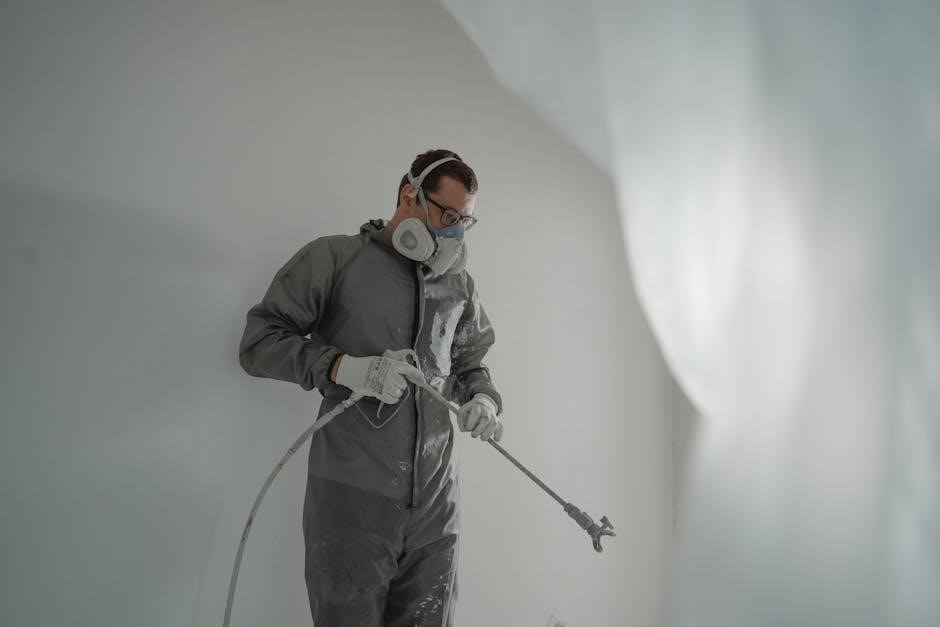
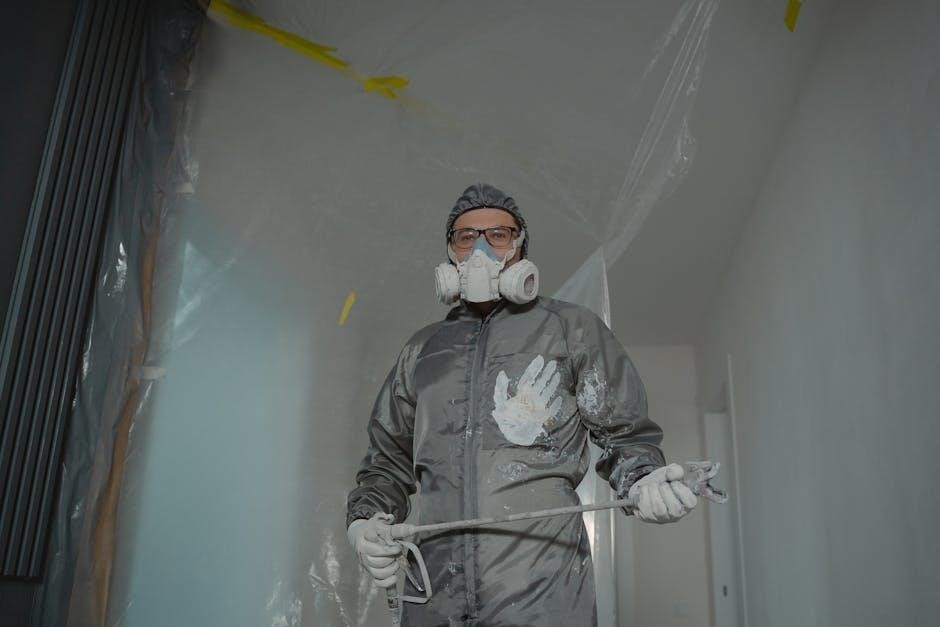
Prioritize safety when operating the Titan 410. Always wear safety glasses and a respirator to protect your eyes and lungs from paint fumes and particles. Ensure adequate ventilation in the work area. Avoid spraying in windy conditions.
Never point the spray gun at yourself or others. Disconnect the power source before performing any maintenance or cleaning. Use only approved ground fault circuit interrupters (GFCIs). Be mindful of flammable materials and avoid spraying near open flames or sparks. Properly dispose of leftover paint and cleaning solvents. Read and understand all warning labels on paint containers and the sprayer itself before use. Following these guidelines minimizes risks and ensures a safe working environment.

Setting Up Your Titan 410
Proper setup is crucial for optimal performance. This section guides you through assembling, connecting power, preparing paint, and efficiently filling the hopper.
Assembling the Sprayer
Begin by carefully unpacking all components and verifying against the parts list within this manual. Attach the spray gun to the high-pressure hose, ensuring a secure connection – hand-tighten only. Next, connect the other end of the hose to the pump unit.
The hopper should be firmly attached to the pump, aligning the locking mechanisms. Confirm the intake tube is correctly positioned within the paint container opening. Attach the feet to the base of the pump unit for stability during operation.
Double-check all connections for tightness, but avoid over-tightening, which could damage the fittings. A properly assembled sprayer is fundamental for safe and efficient operation. Refer to the diagrams provided for visual guidance throughout this process.
Connecting to a Power Source
Before connecting, ensure the power switch is in the ‘OFF’ position. Verify your power supply matches the sprayer’s voltage requirements (typically 120V). Use a grounded outlet to prevent electrical shock. Inspect the power cord for any damage – do not use if frayed or damaged.
Plug the power cord firmly into the sprayer’s power inlet. Avoid using extension cords if possible; if necessary, use a heavy-duty extension cord rated for outdoor use and the sprayer’s amperage.
Once connected, briefly test the power switch to confirm operation. Never operate the sprayer near flammable materials or in wet conditions. Always disconnect the power cord when performing maintenance or cleaning. Prioritize electrical safety throughout the entire process.
Preparing the Paint
Proper paint preparation is crucial for optimal spraying. Begin by thoroughly mixing the paint to ensure consistent color and viscosity. Strain the paint through a fine-mesh filter (typically 100-200 mesh) to remove any lumps or debris that could clog the sprayer.
If the paint is too thick, thin it according to the manufacturer’s recommendations, using the appropriate thinner for the paint type. Avoid over-thinning, as this can lead to runs and poor coverage. Always test the thinned paint on a scrap surface before spraying your project.
Ensure compatibility between the paint and sprayer components. Refer to the paint manufacturer’s guidelines for sprayer suitability. Properly prepared paint ensures a smooth, even finish and prolongs the life of your Titan 410.
Filling the Hopper
Before filling, ensure the Titan 410 is switched off and the spray trigger is not engaged. Carefully remove the hopper lid. Slowly pour the prepared paint into the hopper, avoiding excessive splashing or foaming. Do not overfill; leave approximately 2-3 inches of space at the top to prevent overflow during operation.
Use a paint strainer bag placed inside the hopper for an extra layer of filtration, minimizing the risk of clogs. Secure the hopper lid tightly, ensuring a proper seal to prevent leaks. Double-check the seal before connecting to the power source.
Properly filled hoppers contribute to consistent paint flow and a smoother spraying experience. Avoid introducing air pockets during the filling process.

Operating the Titan 410
Proper operation involves adjusting spray patterns, controlling pressure, and utilizing effective spraying techniques. Consistent practice yields optimal results and extends the sprayer’s lifespan.
Adjusting Spray Patterns
The Titan 410 offers versatile spray patterns to suit various projects. Utilize the pattern adjustment knob to transition between narrow, medium, and wide spray widths. A narrower pattern is ideal for detailed work, corners, and edges, minimizing overspray and paint waste. Conversely, a wider pattern accelerates coverage on large, flat surfaces like walls and fences.
Experiment with different patterns on a test surface to determine the optimal setting for your specific paint type and application. Consider the distance from the surface; closer distances generally require narrower patterns. Always maintain a consistent spray distance and angle for uniform coating. Rotating the spray tip can also subtly alter the pattern shape, allowing for customized application. Remember to clean the tip after each adjustment to prevent clogs and ensure consistent performance.
Pressure Control and Settings
Precise pressure control is crucial for achieving a professional finish with the Titan 410. The unit features an adjustable pressure knob, allowing you to tailor the output to the paint type and application. Lower pressures are recommended for finer finishes and delicate surfaces, minimizing runs and drips. Higher pressures are suitable for thicker materials and faster coverage on rough surfaces.
Consult the paint manufacturer’s recommendations for optimal pressure settings. Start with a lower pressure and gradually increase it until you achieve the desired atomization and flow. Avoid exceeding the maximum pressure rating of the sprayer and the paint. Regularly check the pressure gauge to ensure consistent output. Fluctuations can indicate a clogged filter or air in the system. Proper pressure ensures efficient paint transfer and a smooth, even coat.
Spraying Techniques for Optimal Results
Mastering spraying techniques is key to a flawless finish with your Titan 410. Maintain a consistent distance of 6-8 inches from the surface, moving the sprayer in smooth, even strokes. Overlap each stroke by approximately 50% to avoid striping. Trigger control is vital; start and stop moving before releasing the trigger to prevent splattering.
For large surfaces, use a sweeping motion, keeping your arm and wrist relaxed. When spraying corners or edges, adjust your angle to ensure complete coverage. Avoid arcing the sprayer, as this can lead to uneven application. Practice on scrap material to develop your technique before tackling your project. Proper ventilation is essential, and always wear appropriate safety gear, including a respirator.

Maintenance and Troubleshooting
Regular cleaning, filter replacement, and addressing common issues ensure your Titan 410 operates efficiently. This section provides guidance for peak performance and longevity.
Cleaning the Sprayer
Thorough cleaning after each use is crucial for maintaining the Titan 410’s performance and extending its lifespan. Begin by disconnecting the sprayer from the power source and relieving any remaining pressure. Flush the system with the appropriate cleaning solvent recommended for the paint type used – water for latex paints, and mineral spirits or lacquer thinner for oil-based paints.
Remove the nozzle and filter, cleaning them separately with the solvent. Pay close attention to the spray tip, ensuring it’s free of any clogs. The hopper should also be emptied and cleaned meticulously. Run solvent through the sprayer until it runs clear, indicating all paint residue has been removed. Inspect all seals and O-rings for wear and tear, replacing them as needed. Proper cleaning prevents build-up and ensures consistent spray patterns.
Replacing Filters
Regular filter replacement is essential for preventing clogs and ensuring a smooth, consistent spray finish with your Titan 410. The frequency depends on paint type and usage, but inspect filters before each use. Locate the filter housing, typically near the suction tube. Turn off and disconnect the sprayer before proceeding.
Remove the old filter, noting its orientation for correct installation of the new one. Titan 410 sprayers utilize different filter mesh sizes for varying paint viscosities; consult the manual for the appropriate filter for your material. Install the new filter, ensuring a secure fit to prevent paint from bypassing it. Properly disposed of used filters. A clean filter protects the pump and nozzle, contributing to the longevity and performance of your sprayer;
Common Issues and Solutions
Experiencing issues with your Titan 410? Here’s a troubleshooting guide. Clogging is frequent; flush the system with cleaner and replace filters. Uneven spray patterns often indicate a partially clogged nozzle – soak it in solvent or replace it. If the sprayer won’t start, check the power source and ensure the on/off switch is engaged.
Low pressure can stem from a worn pump or air in the lines; bleed the lines and inspect the pump for damage. Paint pulsation suggests insufficient paint supply – check the hopper and suction tube. Always refer to the full manual for detailed diagnostics. Regular maintenance prevents many problems, extending the life of your Titan 410 and ensuring consistent performance.

Advanced Features & Tips
Unlock the Titan 410’s full potential with nozzle adjustments and paint optimization. Explore various tips to extend sprayer life and achieve professional-quality finishes consistently.
Using Different Nozzle Sizes
The Titan 410’s versatility stems from its interchangeable nozzle options. Selecting the correct nozzle size is crucial for achieving the desired spray pattern and finish quality. Smaller nozzles (e.g., .009” ─ .013”) are ideal for fine finishes, stains, and lacquers, providing greater control and minimizing overspray. Larger nozzles (e.g., .015” ─ .019”) are better suited for thicker materials like exterior paints and primers, increasing production speed and covering larger areas efficiently.
Experimentation is key. Always test spray patterns on a scrap surface before applying paint to your project. Consider the paint’s viscosity and the surface texture when choosing a nozzle. A thicker paint requires a larger nozzle to prevent clogging, while a smooth surface benefits from a finer spray produced by a smaller nozzle. Refer to the paint manufacturer’s recommendations for optimal nozzle size. Regularly inspect nozzles for wear and tear, replacing them as needed to maintain consistent performance.
Optimizing for Various Paint Types
The Titan 410 excels with diverse paint types, but requires adjustments for optimal performance. For latex paints, a slightly larger nozzle and lower pressure settings are generally recommended to prevent clogging and ensure even coverage. Oil-based paints often benefit from smaller nozzles and increased pressure, delivering a smoother finish. When spraying enamel paints, thinning may be necessary to achieve the correct viscosity for efficient atomization.
Always consult the paint manufacturer’s guidelines. Proper paint preparation, including thorough mixing and filtering, is essential. Adjust the sprayer’s fluid control settings to match the paint’s consistency. Regularly clean the sprayer after each use, especially when switching between different paint types, to prevent cross-contamination and maintain optimal functionality. Experiment with pressure and spray patterns on scrap material to fine-tune settings for each specific paint.
Extending the Life of Your Sprayer
Prolonging the Titan 410’s lifespan requires diligent maintenance and proper storage. After each use, thoroughly flush the system with appropriate cleaning solvent, ensuring all paint residue is removed from the pump, hoses, and nozzle. Regularly inspect hoses for cracks or wear, replacing them promptly if damaged. Store the sprayer in a clean, dry environment, protected from freezing temperatures.
Lubricate the pump according to the manufacturer’s recommendations. Periodically check and tighten all connections to prevent leaks. Avoid using abrasive cleaners that could damage internal components. When not in use for extended periods, consider adding a pump protector to prevent corrosion. Following these simple steps will ensure years of reliable service from your Titan 410 paint sprayer, maximizing your investment and minimizing downtime.
Where to Find Additional Resources
For further assistance, explore the official Titan Support website and online forums. Manual downloads and community discussions offer valuable insights and troubleshooting tips.
Official Titan Support Website
The official Titan Support website is the primary resource for comprehensive information regarding your Titan 410 paint sprayer. Here, you’ll find downloadable versions of the complete user manual, including detailed diagrams and safety instructions.
Beyond the manual, the website hosts a frequently asked questions (FAQ) section addressing common issues and providing quick solutions. You can also access troubleshooting guides specifically tailored to the 410 model, covering everything from pressure adjustments to nozzle clogs.
Titan offers a robust online support portal where you can submit inquiries directly to their technical support team. This allows for personalized assistance with more complex problems. Furthermore, the site often features instructional videos demonstrating proper setup, operation, and maintenance procedures, ensuring you get the most out of your sprayer. Check regularly for updated resources and firmware if applicable.
Online Forums and Communities
Numerous online forums and communities dedicated to painting and DIY projects offer valuable insights into the Titan 410 paint sprayer. These platforms provide a space for users to share experiences, ask questions, and offer solutions to common challenges.
Searching online will reveal dedicated threads discussing specific issues with the 410, such as paint thinning recommendations, nozzle selection for different materials, and troubleshooting techniques beyond the official manual.
Engaging with these communities allows you to learn from the collective knowledge of other Titan 410 owners. You can find practical tips, workarounds, and even modifications to enhance your sprayer’s performance. Remember to verify information and prioritize safety advice from reputable sources within these forums. Active participation can significantly improve your understanding and utilization of the Titan 410.
Manual Download Locations
Locating a digital copy of the Titan 410 paint sprayer manual is crucial for quick reference and troubleshooting. While a physical copy often accompanies the sprayer, having a downloadable version ensures accessibility whenever and wherever you need it.
The official Titan Support Website (titansupport.com) is the primary source for the most up-to-date manual. Additionally, several third-party websites archive manuals for various tools and equipment, including the Titan 410.
Be cautious when downloading from unofficial sources to avoid malware or outdated information. Always verify the file’s authenticity before opening it. Searching online using keywords like “Titan 410 manual PDF” will yield several results, but prioritize the official Titan website for reliability. Having a readily available digital manual streamlines maintenance and maximizes your sprayer’s lifespan.