Canadian Coin Value Guide ⏤ Overview
Discovering the worth of Canadian coins involves understanding historical context, silver content, rarity, and condition—a fascinating journey for collectors and enthusiasts alike.
From pre-Confederation tokens to modern commemorative issues, this guide explores key dates, silver melt values, and grading standards impacting coin valuations.
Explore the nuances of iconic coins like the 1911 Silver Dollar, Victory Nickels, and the 1955 Proof Like set, alongside current market trends.
Embarking on the journey of Canadian coin collecting is a rewarding pursuit, steeped in history and potential value. Canada’s numismatic landscape offers a diverse range of coins, from early tokens predating Confederation to modern commemorative releases from the Royal Canadian Mint. Understanding the factors that influence a coin’s worth is crucial for both novice and seasoned collectors.
Initially, many collectors are drawn to the aesthetic appeal and historical significance of coins. However, the true allure lies in uncovering hidden treasures – coins with low mintages, rare varieties, or exceptional condition. The 1911 Silver Dollar, for instance, stands as a cornerstone of Canadian numismatics, renowned for its scarcity and high value. Similarly, the 1948 Maple Leaf dollar is highly sought after.
Furthermore, the silver content of Canadian coins minted before 1969 significantly impacts their value, particularly with fluctuating silver spot prices. Learning to assess a coin’s condition using established grading scales is also paramount, as even minor imperfections can drastically alter its worth. This guide will provide a foundation for navigating the exciting world of Canadian coin collecting.
Factors Influencing Canadian Coin Value
Several key elements converge to determine the value of a Canadian coin. Rarity, dictated by mintage figures – like the extremely limited 1911 Silver Dollar – is a primary driver. Condition plays a vital role; coins are graded on a scale, with higher grades commanding substantial premiums. Even slight wear can diminish value.
Silver content is crucial for pre-1969 coins, as their worth is tied to the current silver spot price and melt value. Coins like those from 1935-1967, containing 80% silver, are particularly affected. Demand from collectors also influences prices, with iconic designs like the 1948 Maple Leaf dollar consistently fetching high values.
Historical significance, such as the Victory Nickel (1943-1945) with its Morse code message, adds to desirability. Finally, market trends and auction records, tracked by resources like Greysheet and Heritage Auctions, provide valuable insights into current valuations.
Pre-Confederation Coins (Pre-1867)
Before 1867, Canada utilized British coinage and issued its own tokens; these early pieces hold unique historical value and collector appeal.
Value of Early Canadian Tokens
Early Canadian tokens, primarily issued by businesses due to a coin shortage, represent a fascinating chapter in the nation’s numismatic history. These aren’t official government coinage, but rather privately produced pieces, and their value is heavily influenced by rarity, condition, and issuing merchant.
Tokens from prominent merchants or those with low mintages command higher prices. Condition is paramount; well-preserved examples, exhibiting minimal wear, are significantly more valuable than heavily circulated ones. Copper tokens are more common, while rarer metals like brass or white metal increase desirability.
Determining value requires careful research, consulting specialized token catalogs, and examining auction records. Factors like die varieties and errors can also dramatically impact price. Collectors often seek complete sets from specific regions or merchants, further driving up demand and value.
British Coins Circulating in Canada
Prior to Confederation in 1867, British coinage was the primary currency circulating throughout Canada. These coins, including shillings, pence, and crowns, hold numismatic value, though generally less than uniquely Canadian issues. Their worth depends on the year of minting, condition, and scarcity within the Canadian market.
Coins bearing the effigy of various British monarchs – George III, George IV, Victoria – are commonly found. Silver coinage from this era, like silver shillings, is particularly sought after, especially in higher grades. Wear and tear significantly impact value; uncirculated examples fetch substantial premiums.
Identifying key dates and mintmarks is crucial for accurate valuation. Researching auction records and consulting British coin price guides will provide a benchmark for determining current market values. Canadian collectors often appreciate British coins with a clear Canadian provenance.
Key Date & Rare Canadian Coins
Certain Canadian coins, like the 1911 Silver Dollar and the 1948 Maple Leaf, command significant premiums due to low mintages and historical importance.
The 1911 Silver Dollar
The 1911 Silver Dollar stands as a cornerstone of Canadian numismatics, renowned for its extreme rarity and captivating history. Only three examples were officially struck by the Royal Canadian Mint, creating an enduring mystery surrounding the incredibly low mintage.
This scarcity has propelled the 1911 Silver Dollar to become one of the world’s most valuable coins, consistently fetching astronomical prices at auction. Its value isn’t merely tied to its silver content; it’s a symbol of Canadian heritage and a testament to a unique minting anomaly.
Collectors actively seek this coin, and its condition significantly impacts its worth. Even circulated examples command substantial sums, while pristine, uncirculated specimens reach unprecedented values, solidifying its position as the “King of Canadian Coins.”
The allure of the 1911 Silver Dollar continues to captivate both seasoned collectors and newcomers to the hobby, making it a highly sought-after treasure.
1935-1967 Silver Dollar Values
Canadian Silver Dollars minted between 1935 and 1967 hold significant value, primarily due to their 80% silver and 20% copper composition. These coins are highly sought after by collectors and investors alike, making them a staple in Canadian numismatics.
Values fluctuate based on condition, with uncirculated examples commanding a premium. While circulated coins retain substantial worth due to their silver content, pristine specimens are considerably more valuable.
The 1948 Maple Leaf dollar, a standout within this series, is particularly prized. Market prices are influenced by the current silver spot price, making it crucial to monitor metal values when assessing worth.
Greysheet provides detailed pricing information for these coins, categorized by grade, offering a reliable resource for both buyers and sellers navigating the Canadian coin market.
The 1948 Canadian Silver Dollar (Maple Leaf)
The 1948 Canadian Silver Dollar, affectionately known as the “Maple Leaf,” is arguably the most famous and collectible silver dollar in Canadian history. Its unique reverse design, featuring a detailed maple leaf, distinguishes it from other issues in the series.
Minted only in 1948, its limited production run contributes significantly to its desirability and value. Only three examples were initially struck for unexplained reasons, adding to its mystique.
Condition plays a crucial role in determining its worth, with uncirculated examples fetching substantial premiums. Collectors actively seek this coin, driving up demand and prices.
Its iconic status and historical significance make it a cornerstone of many Canadian coin collections, representing a tangible piece of the nation’s numismatic heritage.
1943-1945 Victory Nickel
The Victory Nickel, minted from 1943 to 1945, stands as a poignant symbol of Canada’s wartime efforts during World War II. This nickel is instantly recognizable by the prominent “V” for Victory emblazoned on its reverse side.
A unique feature of this coin is the hidden message incorporated into its design: “We Win When We Work Willingly,” cleverly rendered in Morse code along the rim.
Due to the wartime context and relatively short production run, the Victory Nickel is a sought-after piece for collectors. Its value is influenced by condition, with uncirculated examples commanding higher prices.
Beyond its numismatic value, the Victory Nickel serves as a historical artifact, reminding us of a pivotal period in Canadian history and the spirit of national unity.
Rare Varieties of Canadian Pennies
Canadian pennies, despite their commonality, harbor a surprising number of rare varieties that can significantly increase their collector value. These variations often stem from die errors, minting anomalies, or limited production runs.
Notable examples include the 1922 penny with a doubled die, where the design appears slightly blurred, and various off-metal errors where pennies were struck on different planchets.
The 1936 penny with the “dot” variety, featuring a small dot below the date, is another sought-after find. Condition plays a crucial role; well-preserved examples fetch premium prices.
Identifying these rare varieties requires careful examination and often the aid of specialized guides or expert appraisal. These pennies represent fascinating glimpses into the minting process.
Silver Content & Melt Value
Understanding the silver composition of older Canadian coins is vital for determining their intrinsic value, especially when considering the current silver spot price fluctuations.
Coins minted before 1969 generally contain 80% silver, impacting their melt value and collector appeal in today’s precious metals market.
Canadian Coins Before 1969 & Silver Content
Prior to 1969, the Royal Canadian Mint produced coinage with a significant silver content, making these pieces valuable beyond their face value. Most circulating Canadian silver coins from this era were composed of 80% silver and 20% copper, a standard that contributed to their durability and intrinsic worth.
This composition applies to denominations like the silver dollar, half dollar, quarter, dime, and nickel (specifically the larger-sized nickel minted during wartime). The silver content is a primary driver of their value, particularly when assessing melt value. Collectors often seek these coins not only for their numismatic significance but also as a tangible investment in silver.
Identifying these coins is crucial; examining the coin’s size, weight, and date of manufacture can help determine its silver content. Understanding this historical context is essential for accurate valuation and informed collecting decisions.
Calculating Silver Melt Value of Canadian Coins
Determining the silver melt value of Canadian coins requires a few simple calculations. First, identify the coin’s silver content – most pre-1969 coins are 80% silver. Next, ascertain the coin’s weight in troy ounces. A standard formula is: (Weight in grams x 0.0321507) = Weight in troy ounces.
Then, multiply the troy ounce weight by the current silver spot price. Numerous online resources, like NGC, provide up-to-date silver spot prices. For example, if a coin contains 0.25 troy ounces of silver and the spot price is $25 per ounce, the melt value is $6.25.
Remember that this is just the value of the silver itself; numismatic value, based on rarity and condition, can significantly increase a coin’s worth.
Current Silver Spot Price Impact
The silver spot price exerts a substantial influence on the value of Canadian silver coins, particularly those minted before 1969. As the spot price fluctuates, so too does the intrinsic, or melt, value of these coins. A rising silver price directly translates to increased value for collectors and those looking to sell.
Conversely, a declining silver price diminishes the melt value. Investors and collectors closely monitor these price movements, often adjusting their buying and selling strategies accordingly. Market volatility, economic indicators, and global demand all contribute to these fluctuations.
Therefore, understanding the current silver spot price is crucial when assessing the worth of Canadian silver coinage, as it forms a foundational element of its overall value.
Specific Coin Denominations & Values
Delve into the individual worth of Canadian pennies, nickels, dimes, quarters, half dollars, and dollars, each possessing unique values based on date and condition.
Canadian Penny Values (1858-1996)
Canadian pennies, minted from 1858 to 1996, exhibit a wide range of values influenced by date, mint mark, and condition. Early dates, particularly those before Confederation in 1867, are generally more valuable due to their scarcity.
The 1905 penny, for instance, is a key date, commanding significant premiums in uncirculated condition. Varieties like the 1922 penny with a doubled die also attract collectors. Condition is paramount; a well-preserved penny will always fetch a higher price.
Circulated pennies are typically worth only a few cents, but uncirculated examples can range from a few dollars to hundreds, depending on rarity and grade. Pennies from the 1940s and 1950s, while common, can still hold value in exceptional condition. The final years of production, leading up to 1996, generally have lower values unless exceptionally graded.
Collectors often seek complete date runs and high-grade examples, driving up demand and prices for specific issues.
Canadian Nickel Values
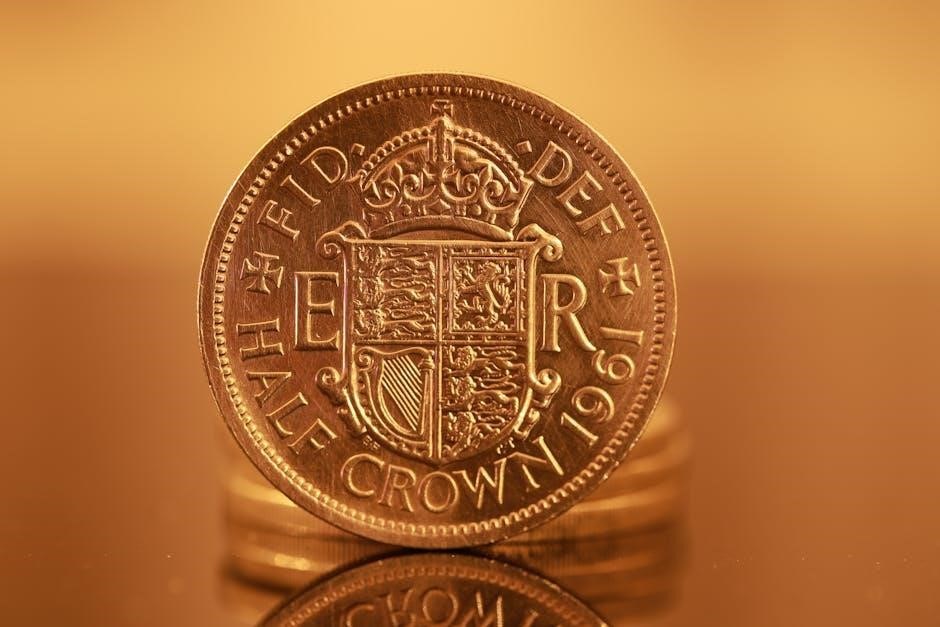
Canadian nickel values are significantly impacted by the wartime Victory Nickel (1943-1945), featuring a large ‘V’ and Morse code message. These coins, especially in uncirculated condition, are highly sought after by collectors and command substantial premiums.
Prior to 1942, nickels were composed of 99.9% nickel, while wartime nickels utilized zinc-plated steel due to nickel shortages. This compositional change affects collectibility and value. Earlier nickel coins, though common, can still be valuable in exceptional condition.
Post-war nickels returned to a nickel composition. Key dates and varieties exist within the series, but generally, circulated nickels are worth only face value. Uncirculated examples, particularly those with full details and luster, can fetch several dollars or more.
The condition of the coin is crucial; higher grades translate to increased value, especially for the rarer wartime issues.
Canadian Dime Values
Canadian dime values are generally modest for common dates and circulated examples, often remaining at face value. However, certain years and varieties present opportunities for collectors. Pre-1967 dimes contain 80% silver, making them intrinsically valuable due to their metal content, especially as silver prices fluctuate.
Key dates to watch for include those with lower mintages or notable errors. Condition plays a vital role; uncirculated dimes command significant premiums over worn specimens. Look for full details, sharp strikes, and original luster.
The silver content in dimes minted before 1969 directly impacts their melt value, which can exceed face value when silver spot prices are high. Collectors also seek proof and mint sets, like those from 1955, which contain pristine dimes.
Careful examination and grading are essential to determine a dime’s true worth.
Canadian Quarter Values
Canadian quarter values, like other silver coinage, are heavily influenced by their silver content, particularly for those minted before 1968, containing 80% silver. Common circulated quarters often hold minimal value beyond face value, but exceptions exist.
Collectors actively seek quarters with low mintages, errors, or unique varieties. The condition of the coin is paramount; uncirculated examples with sharp details and original luster are highly prized. Proof quarters, often found in sets like the 1955 Proof Like set, are also valuable.
The current silver spot price significantly impacts the melt value of pre-1968 quarters. When silver prices rise, the intrinsic metal value can surpass the coin’s face value, increasing collector interest.
Accurate grading and research are crucial for determining a quarter’s true market value.
Canadian Half Dollar Values
Canadian half dollar values, mirroring other pre-1968 silver coins, are substantially affected by their 80% silver composition. While frequently, circulated half dollars are worth only their face value, certain dates and conditions command premiums.
Collectors prioritize half dollars with lower mintages, noticeable errors, or distinctive characteristics; A coin’s condition is critical; uncirculated pieces exhibiting sharp details and original luster are highly sought after. Proof examples, often included in sets, also hold significant value.
The prevailing silver spot price directly influences the melt value of older half dollars. Rising silver prices can elevate the intrinsic metal value, attracting collectors and investors.
Precise grading and thorough research are essential for establishing a half dollar’s accurate market worth.
Canadian Dollar Values
The Canadian silver dollar, minted from 1935 to 1967 (with the notable exception of 1942), presents a complex valuation landscape. These coins, composed of 80% silver and 20% copper, are heavily influenced by the fluctuating silver market.
The 1948 Maple Leaf dollar is particularly esteemed, often referred to as the “King of Canadian Coins,” and commands substantial premiums due to its limited mintage and iconic design. The 1911 Silver Dollar is also highly valuable.
Circulated examples generally fetch values above their face value, driven by silver content, while uncirculated or proof specimens can reach significant prices depending on condition and rarity.
Accurate appraisal requires careful grading and consideration of current silver spot prices, alongside auction records and price guides.
Grading & Condition
Coin grading, utilizing standardized scales, profoundly impacts value; pristine condition commands premiums, while wear diminishes worth—a crucial aspect of appraisal.
Understanding Coin Grading Scales
Coin grading is a standardized process used to assess the condition of a coin, directly influencing its market value. The most commonly used scale in North America is the Sheldon Scale, ranging from 1 to 70, with 70 representing a perfectly struck, flawless coin.
Here’s a breakdown of key grades: Poor (1-2) is heavily worn; Fair (3-4) shows significant wear but details are visible; Good (5-6) exhibits wear but major features are clear. Very Good (8-10) shows moderate wear, while Fine (12-13) displays moderate wear with good detail.
Extremely Fine (40-45) shows light wear with sharp details; About Uncirculated (50-55) has minimal wear on high points; and Uncirculated (60-70) shows no wear, retaining original luster. Professional grading services like NGC and PCGS provide expert assessments and encapsulation, enhancing trust and value.
Impact of Condition on Coin Value
A coin’s condition is arguably the most significant factor determining its value. Even rare coins in poor condition command significantly lower prices than their well-preserved counterparts. A seemingly minor difference in grade can translate to substantial value changes.
For example, a 1911 Silver Dollar in Good condition might fetch a few hundred dollars, while the same coin in Mint State (Uncirculated) could be worth tens of thousands. Similarly, a Victory Nickel’s value escalates dramatically with higher grades.
Wear, scratches, corrosion, and cleaning all negatively impact a coin’s grade and, consequently, its price. Collectors prioritize original surfaces and minimal handling. Professional grading and encapsulation protect the coin and verify its condition, maximizing its potential value.
Resources for Valuation
Utilize online guides, appraisal services, and auction records like Greysheet and Heritage Auctions to accurately assess Canadian coin values and market trends.
Online Canadian Coin Value Guides
Numerous online resources cater to Canadian coin valuation, offering varying levels of detail and accessibility. These platforms compile pricing data from recent sales, auction results, and dealer inventories, providing a snapshot of current market values. However, it’s crucial to remember that online guides present estimates, and actual selling prices can fluctuate.
Websites dedicated to coin collecting often feature Canadian coin sections, allowing users to search by denomination, year, and mint mark. Some guides offer grading information to help determine a coin’s condition, a significant factor in its value. Reddit’s r/CanadianCoins is a valuable community forum where collectors share knowledge and discuss valuations.
NGC (Numismatic Guaranty Corporation) provides historical silver coin melt values and coin price information, including a melt value calculator, useful for coins containing precious metals. Always cross-reference information from multiple sources to obtain a comprehensive and reliable valuation.
Coin Appraisal Services
For a more precise valuation, especially for rare or high-value coins, professional appraisal services are invaluable. These services involve a qualified numismatist examining your coins in person, assessing their authenticity, condition, and rarity. A detailed appraisal report provides a documented valuation for insurance, estate planning, or sale purposes.
Heritage Auctions, a leading auction house, offers appraisal services alongside its auction platform. Local coin dealers may also provide appraisal services, though their objectivity might be influenced by potential purchase intentions. It’s essential to choose an appraiser with a strong reputation and expertise in Canadian numismatics.
Fees for appraisal services vary depending on the number of coins, their complexity, and the appraiser’s qualifications. Obtaining a written estimate beforehand is advisable. Remember that an appraisal is an opinion of value at a specific point in time and can change with market conditions.
Auction Records & Price Guides (Greysheet, Heritage Auctions)
Tracking recent auction results and utilizing established price guides are crucial for determining current Canadian coin values. Greysheet, a widely respected resource, provides a comprehensive listing of wholesale values for various coin grades, serving as a benchmark for dealers and collectors. However, retail values will naturally be higher.
Heritage Auctions, a prominent auction house, maintains extensive archives of past auction records, offering valuable insights into realized prices for specific coins. Examining these records reveals market trends and helps establish a realistic valuation. Online auction platforms like eBay can also provide data, but require careful scrutiny for authenticity.
Remember that price guides and auction records are indicators, not definitive values. Condition, rarity, and demand all influence the final price. Combining information from multiple sources provides a more accurate assessment.
Modern Canadian Coins (Post-1967)
Post-1967 Canadian coins, including collector issues and commemorative releases from the Royal Canadian Mint, present unique valuation challenges and opportunities for enthusiasts.
Collector Coins from the Royal Canadian Mint
The Royal Canadian Mint (RCM) consistently produces collector coins beyond standard circulation issues, significantly impacting the Canadian coin market. These coins, often released annually, commemorate historical events, celebrate Canadian culture, or honor notable figures.
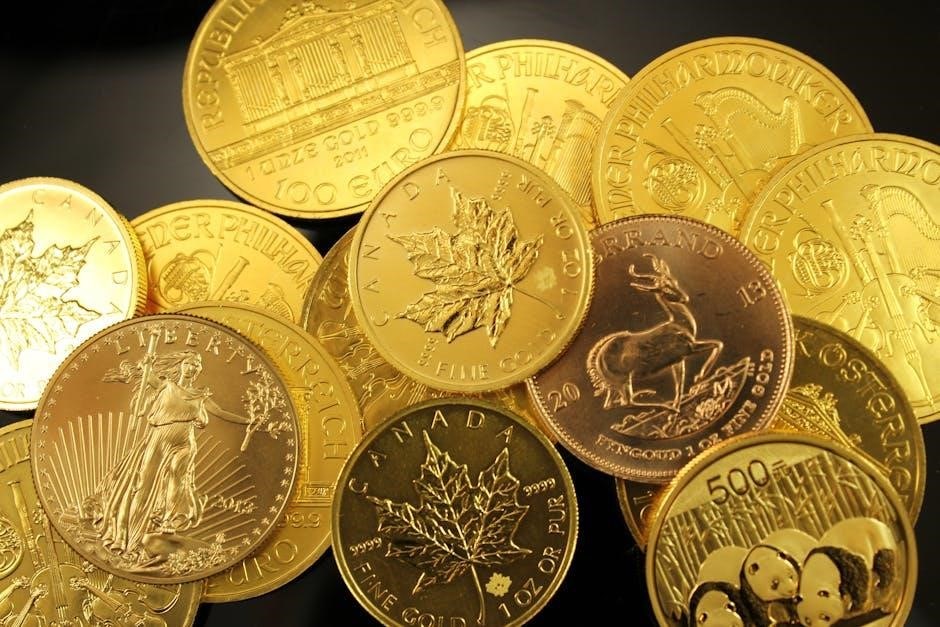
Specialized sets, like proof sets and mint sets – notably the highly sought-after 1955 Proof Like set containing a penny, nickel, dime, quarter, and half dollar – command premiums due to their pristine condition and limited mintage. The RCM also issues bullion coins, such as Silver Maple Leafs and Gold Maple Leafs, whose value is tied to the prevailing spot price of precious metals, but collector versions with special finishes or designs can exceed melt value.
Determining the value of RCM collector coins requires considering factors like mintage figures, condition, packaging (original Royal Canadian Mint packaging adds value), and overall demand. Recent commemorative coins, celebrating events like the Royal Canadian Legion’s centennial, also gain value over time, particularly if they feature unique designs or limited production runs.
Commemorative Coin Values
Canadian commemorative coins, issued by the Royal Canadian Mint, frequently hold value beyond their face value, driven by collector demand and limited mintages. These coins celebrate significant events, anniversaries, or individuals in Canadian history and culture, making them appealing to both seasoned numismatists and casual collectors.
The value of a commemorative coin is heavily influenced by its rarity – lower mintage numbers generally translate to higher prices. Condition plays a crucial role; uncirculated coins in original packaging command substantial premiums. Recent commemoratives, like those honoring the 100th anniversary of the Royal Canadian Legion, may initially trade near issue price but can appreciate over time.
Factors such as design appeal, the significance of the commemorated event, and the overall market interest also contribute to a coin’s value. Researching past auction records and consulting price guides is essential for accurate valuation, as demand for specific commemorative issues can fluctuate.
Proof Sets & Mint Sets (e.g., 1955 Proof Like Set)
Proof sets and mint sets represent a unique segment within Canadian coin collecting, offering pristine examples of a year’s coinage. Proof sets are specially struck with polished dies, resulting in mirror-like surfaces and sharp details, typically packaged in protective holders. Mint sets, while not to the same exacting standard as proofs, provide original, uncirculated coins of a specific year.
The 1955 Proof Like set, containing a penny, nickel, dime, quarter, half dollar, and dollar, is particularly sought after. Its value hinges on completeness, condition, and the integrity of the original packaging. Sets in their original Royal Canadian Mint cases command significant premiums.
Values vary widely based on these factors, with complete, high-grade sets fetching substantial prices. Collectors prize these sets for their aesthetic appeal and as representative snapshots of Canadian numismatic history.