
The Slow-Carb Diet, popularized by Tim Ferriss, centers around strategic food choices for rapid weight loss, emphasizing protein and limiting carbohydrate intake.
This approach, detailed in The 4-Hour Body, isn’t just another diet; it’s a lifestyle shift focused on minimizing insulin spikes and maximizing satiety.
Unlike many restrictive diets, the Slow-Carb Diet allows for relatively simple meal planning, making it accessible for those seeking sustainable results and a streamlined approach.
What is the Slow Carb Diet?
The Slow-Carb Diet is an eating plan designed for efficient weight loss, prioritizing specific food groups while drastically limiting others. It’s not a traditional “diet” in the restrictive sense, but rather a strategic approach to macronutrient intake, specifically carbohydrates. The core principle revolves around minimizing the consumption of rapidly digested carbohydrates – those that cause quick spikes in insulin levels.
This diet focuses on consuming large portions of protein, legumes, and non-starchy vegetables. These foods provide sustained energy and promote feelings of fullness, aiding in calorie control without requiring meticulous calorie counting. The restriction of “white” carbohydrates like rice, bread, and pasta is central to the diet’s effectiveness.
Essentially, it’s about choosing foods that release glucose slowly into the bloodstream, leading to more stable energy levels and reduced fat storage. The diet gained prominence through Tim Ferriss’s book, The 4-Hour Body, where it was presented as a method for achieving significant results quickly.
The 4-Hour Body & Tim Ferriss
Tim Ferriss, author and entrepreneur, popularized the Slow-Carb Diet through his bestselling book, The 4-Hour Body. Ferriss, known for his experimentation with self-improvement techniques, detailed the diet as a key component of his lifestyle optimization strategies. He didn’t invent the underlying principles, but he meticulously tested and refined the approach, presenting it as a practical, results-oriented system.
The 4-Hour Body frames the Slow-Carb Diet not as a temporary fix, but as a tool for metabolic manipulation. Ferriss emphasizes the importance of understanding how food impacts insulin levels and utilizes this knowledge to design a diet focused on maximizing fat loss and muscle retention.
The book provides a detailed protocol, including specific food lists and a structured approach to implementation. His emphasis on quantifiable results and a data-driven approach resonated with readers seeking a more scientific method to weight management.
Core Principles of the Diet
The Slow-Carb Diet revolves around minimizing rapid insulin spikes, achieved by focusing on foods that release glucose slowly into the bloodstream. This is accomplished by prioritizing protein sources, non-starchy vegetables, and legumes – the diet’s carbohydrate cornerstone. The restriction of white carbohydrates, sugary foods, and fruits is central to this principle.
A key tenet is the “slow carb” approach: consuming carbohydrates from legumes, which offer a slower, more sustained energy release compared to refined grains or sugars. This helps maintain stable blood sugar levels and promotes fat burning.
The diet also encourages infrequent, but not restrictive, “cheat days” to replenish glycogen stores and maintain adherence. It’s about strategic eating, not deprivation, aiming for sustainable lifestyle changes rather than a quick fix.
Approved Food List: Proteins
Protein is foundational to the Slow-Carb Diet, supporting muscle maintenance and satiety; lean meats, poultry, fish, and seafood are all encouraged choices.
Beef & Red Meat Options
Beef takes center stage on the Slow-Carb Diet, offering a substantial protein source crucial for muscle preservation and promoting fullness. Opt for cuts like steak, ground beef (choose leaner percentages), roasts, and even organ meats for a nutrient boost.
While enjoying red meat is permitted, moderation is key; prioritize quality over quantity, and consider grass-fed options when available for a healthier fat profile. Don’t shy away from flavorful preparations – grilling, broiling, or pan-searing are excellent methods.
Remember, the diet’s focus is on minimizing insulin response, so avoid breading, sugary marinades, or pairing beef with restricted carbohydrates. Simple seasoning with salt, pepper, and herbs is ideal. Lamb and other red meats also fit within these guidelines, providing variety and essential nutrients.
Poultry Choices (Chicken, Turkey)
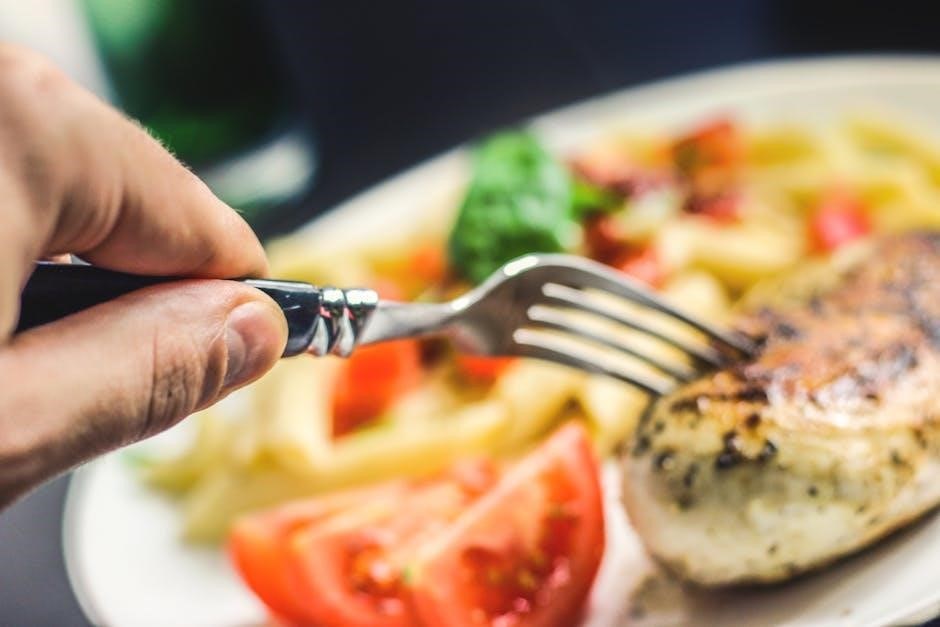
Chicken and turkey are excellent protein sources within the Slow-Carb framework, offering lean options to support weight loss and muscle maintenance. Both dark and white meat are allowed, though skinless choices are preferable to reduce fat intake.
Preparation methods are crucial; baking, grilling, roasting, or stir-frying with approved vegetables are ideal. Avoid breading, sugary glazes, or marinades containing restricted carbohydrates. Simple seasoning with herbs, spices, and a touch of salt and pepper enhances flavor without compromising the diet’s principles.
Ground turkey and chicken can be used in various recipes, ensuring they remain free of added sugars or starches. These poultry options provide versatility and a satisfying alternative to red meat, contributing to a balanced and effective Slow-Carb experience.
Fish & Seafood Recommendations
Fish and seafood are cornerstones of the Slow-Carb Diet, providing high-quality protein and essential omega-3 fatty acids. Virtually all types of fish are permitted, including salmon, tuna, cod, halibut, and trout. Shellfish like shrimp, crab, lobster, and mussels are also excellent choices.
Prioritize simple cooking methods to maintain the diet’s integrity. Grilling, baking, steaming, or poaching are preferred over frying. Avoid breading or sauces containing sugar or restricted carbohydrates. Seasoning with lemon juice, herbs, and spices adds flavor without compromising the diet.
Regular consumption of fish and seafood supports overall health while aligning perfectly with the Slow-Carb principles of prioritizing protein and minimizing carbohydrate intake, contributing to effective weight management.
Pork & Other Meat Sources
Pork, in its leanest forms, is a perfectly acceptable protein source on the Slow-Carb Diet. Opt for cuts like pork loin, tenderloin, or chops, trimming any visible fat. Bacon is permissible in moderation, but be mindful of added sugars in the curing process – choose uncured varieties when possible.
Beyond beef and pork, other meat sources like lamb and game meats (venison, bison) are also encouraged. These provide diverse nutrient profiles and contribute to dietary variety. As with all meats, prioritize simple preparation methods like grilling, roasting, or pan-frying without sugary marinades.
Remember, the focus remains on high protein intake and minimizing carbohydrate consumption, making these meat options valuable components of a successful Slow-Carb approach.

Legumes: The Carb Cornerstone
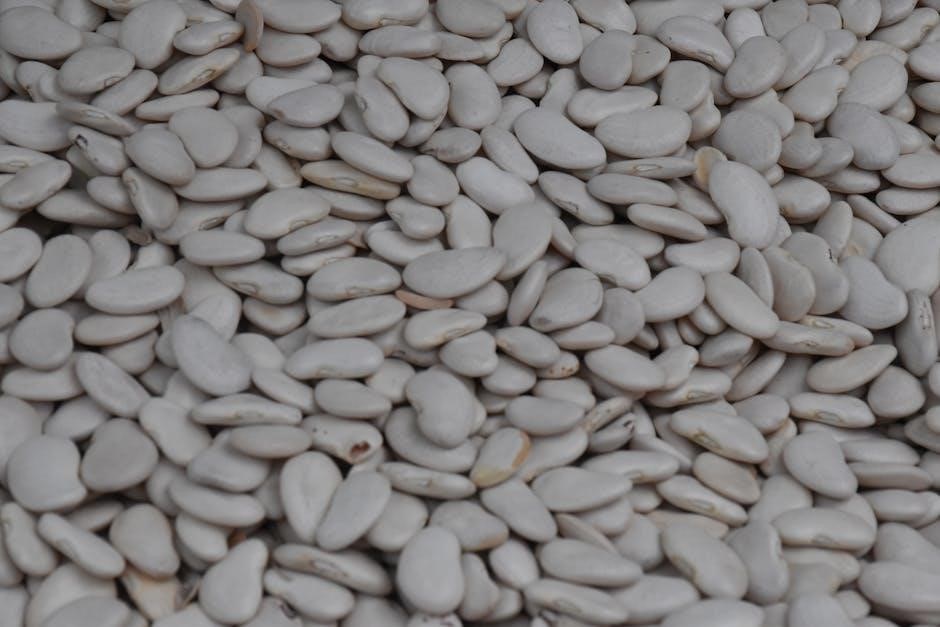
Legumes are central to the Slow-Carb Diet, providing a slow-digesting carbohydrate source alongside essential protein and fiber for sustained energy levels.
Black Beans: Nutritional Benefits
Black beans are a powerhouse of nutrition, making them a staple on the Slow-Carb Diet. They’re incredibly rich in fiber, promoting digestive health and contributing to that feeling of fullness, which is crucial for managing calorie intake.
Beyond fiber, black beans are an excellent source of plant-based protein, essential for muscle maintenance and repair. They also boast a significant amount of folate, iron, and magnesium – vital nutrients often lacking in modern diets.
Their low glycemic index means they release glucose slowly into the bloodstream, preventing those energy crashes and insulin spikes the diet aims to avoid. Versatile and affordable, black beans can be incorporated into countless meals, from simple side dishes to hearty soups and salads, solidifying their place as a cornerstone of the Slow-Carb approach.
Lentils: Varieties & Preparation
Lentils offer fantastic versatility on the Slow-Carb Diet, coming in several varieties – brown, green, red, and French. Brown and green lentils hold their shape well, ideal for salads and side dishes, while red lentils cook quickly and become softer, perfect for soups and stews.
Preparation is simple: rinse lentils thoroughly before cooking. They generally don’t require pre-soaking, unlike some other legumes, saving valuable time. Simmering in water or broth until tender (around 20-30 minutes) is all it takes.
Avoid adding high-carb ingredients during cooking. Season simply with herbs, spices, and a touch of salt. Lentils are a nutritional powerhouse, packed with protein, fiber, and iron, making them a satisfying and healthy addition to any Slow-Carb meal.
Kidney Beans: Cooking & Recipes
Kidney beans are a Slow-Carb staple, providing substantial protein and fiber. However, they require thorough preparation. Always soak dried kidney beans for at least 8 hours, or ideally overnight, discarding the soaking water before cooking. This crucial step reduces phytic acid and potential digestive discomfort.
Boil the soaked beans vigorously for at least 10 minutes to destroy any remaining toxins. Then, simmer until tender, typically 60-90 minutes. Avoid adding salt during cooking, as it can toughen the skins.
Simple recipes include kidney bean chili (without added sugar or corn), bean salads with olive oil and vinegar, or as a side dish with grilled protein. Their hearty texture and mild flavor make them incredibly versatile.
Chickpeas (Garbanzo Beans): Versatility
Chickpeas, or garbanzo beans, are a remarkably adaptable legume within the Slow-Carb framework. Their mild, nutty flavor and firm texture lend themselves to a wide array of dishes, making them a welcome addition to the diet. Like other legumes, proper preparation is key – soaking overnight and boiling vigorously for at least 10 minutes is essential.
Beyond traditional hummus (ensure no added sugar!), chickpeas excel in salads, stews, and roasted as a crunchy snack. They pair beautifully with spices like cumin, paprika, and turmeric.
Consider incorporating them into simple curries or using them as a base for a hearty vegetable soup. Their high fiber content promotes satiety, aiding in weight management.
Non-Starchy Vegetables: Filling & Nutritious
Non-starchy vegetables are crucial for volume and nutrients on the Slow-Carb Diet, providing essential vitamins and fiber without significantly impacting insulin levels.
Leafy Greens (Spinach, Kale, Lettuce)
Leafy greens form a cornerstone of the Slow-Carb Diet, offering a wealth of nutrients with minimal carbohydrate impact. Spinach, kale, and various lettuce types are incredibly versatile and can be incorporated into numerous meals. Spinach is excellent in salads, sautéed as a side dish, or added to omelets for a protein boost.
Kale, known for its robust flavor and texture, benefits from massaging with olive oil or roasting to reduce bitterness. Lettuce provides a crisp base for salads and can be used as wraps. These greens are packed with vitamins A, C, and K, as well as folate and fiber, contributing to overall health and satiety. Their low calorie density allows for generous portions, helping to keep you feeling full and satisfied while adhering to the diet’s principles.
Cruciferous Vegetables (Broccoli, Cauliflower)
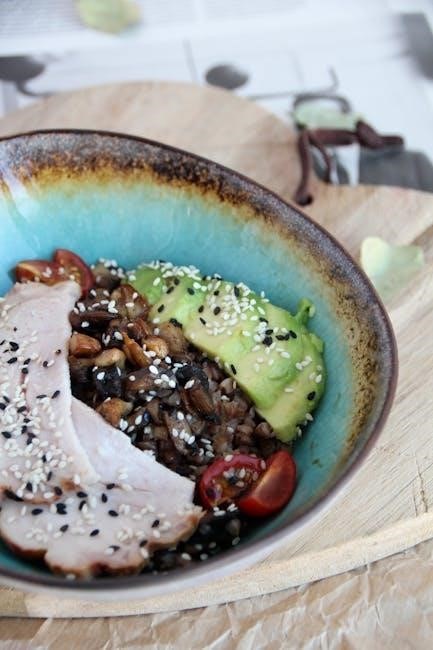
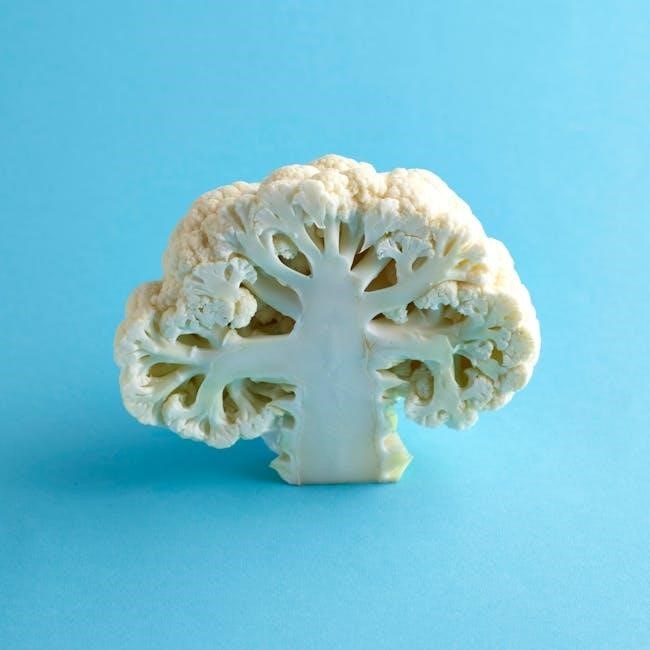
Cruciferous vegetables, including broccoli and cauliflower, are nutritional powerhouses perfectly aligned with the Slow-Carb Diet’s guidelines. These vegetables are low in carbohydrates and high in fiber, promoting fullness and aiding in weight management. Broccoli, whether steamed, roasted, or stir-fried, provides a satisfying crunch and a substantial dose of Vitamin C and K;
Cauliflower’s mild flavor makes it incredibly adaptable; it can be riced as a low-carb alternative to rice, mashed as a substitute for potatoes, or even used to create pizza crusts. Both broccoli and cauliflower contain compounds that support detoxification and may reduce the risk of chronic diseases. Incorporating these vegetables liberally into your meals ensures you’re receiving essential nutrients while staying within the diet’s parameters.
Other Non-Starchy Options (Asparagus, Peppers)
Expanding beyond broccoli and cauliflower, the Slow-Carb Diet welcomes a variety of other non-starchy vegetables, notably asparagus and bell peppers. Asparagus, with its delicate flavor, is a fantastic source of folate and vitamins, and can be grilled, roasted, or quickly sautéed for a delicious side dish. Bell peppers, available in a range of colors, add sweetness and crunch to meals, while being rich in Vitamin C and antioxidants.
These vegetables contribute significantly to satiety without impacting blood sugar levels negatively. They’re versatile enough to be included in stir-fries, omelets, or enjoyed raw with a protein source. Prioritizing these non-starchy options ensures a nutrient-dense diet that supports weight loss and overall health, aligning perfectly with the diet’s core principles.
Foods to Avoid: The Restriction List
The Slow-Carb Diet strictly limits white carbohydrates, sugary items, and fruit, alongside dairy, to maintain stable insulin levels and promote efficient fat loss.
White Carbohydrates (Rice, Bread, Pasta)
The cornerstone of restriction on the Slow-Carb Diet lies in eliminating white carbohydrates – think white rice, bread, and all forms of pasta. These foods cause rapid spikes in insulin, hindering fat loss and promoting energy crashes, directly opposing the diet’s core principles.
This isn’t merely about reducing intake; complete avoidance is key for the initial 30-day phase. Even small portions can disrupt the metabolic state the diet aims to achieve. Alternatives like sweet potatoes are also excluded, maintaining a strict focus on low-glycemic options.
Understanding why these are restricted is crucial. The diet prioritizes stable blood sugar and sustained energy, which white carbs simply cannot provide. Focusing on protein, legumes, and non-starchy vegetables delivers lasting satiety without the insulin rollercoaster.
Sugary Drinks & Foods
Eliminating added sugars is non-negotiable on the Slow-Carb Diet. This encompasses all sugary drinks – sodas, juices (even natural ones), sweetened teas, and energy drinks – as well as processed foods loaded with hidden sugars. These contribute to insulin resistance and impede weight loss efforts significantly.
The diet’s focus is on stabilizing blood sugar levels, and sugar directly undermines this goal. Desserts, candies, and even seemingly harmless treats are strictly off-limits during the initial 30-day phase. Artificial sweeteners are also generally discouraged, promoting a focus on whole, unprocessed foods.
Prioritizing water as your primary beverage is essential. This supports hydration and helps manage hunger. Recognizing hidden sugar sources in processed foods is also vital for strict adherence to the diet’s principles.
Fruits: Limited Consumption
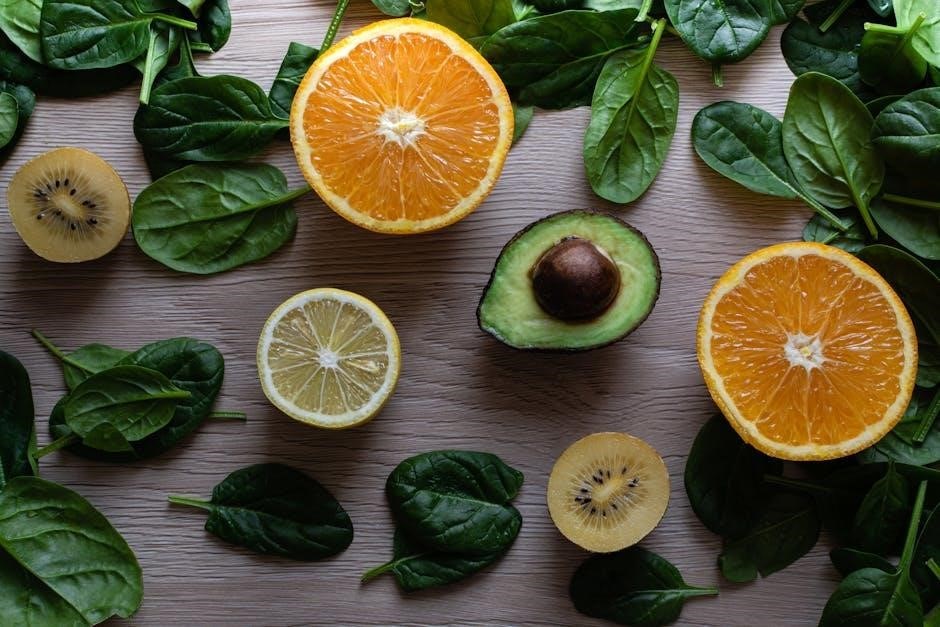
While not entirely forbidden, fruit consumption is heavily restricted on the Slow-Carb Diet due to its fructose content, which impacts insulin levels. The diet prioritizes minimizing insulin spikes to encourage fat burning, and fruit, even natural, can trigger these responses.
If fruits are included, they should be limited to small portions and consumed strategically, ideally after a protein-rich meal to mitigate the insulin effect. Berries, with their lower glycemic index, are generally considered the most permissible option in very small quantities.
Avoid high-sugar fruits like bananas, mangoes, and grapes during the initial 30-day phase. The emphasis remains on protein, legumes, and non-starchy vegetables as the primary fuel sources, with fruit playing a minimal role, if any.
Dairy: Restrictions & Alternatives
Dairy products are largely restricted on the Slow-Carb Diet due to their carbohydrate content, specifically lactose, and potential to trigger insulin responses. While full-fat dairy might seem less problematic than low-fat versions, it’s generally best to avoid milk, yogurt, and cheese during the initial 30-day phase.
The diet’s core principle revolves around minimizing carbohydrate intake, and dairy, even in moderate amounts, can hinder progress. However, small amounts of hard cheeses, like parmesan, may be permissible for flavoring due to their lower lactose content.
For those seeking alternatives, unsweetened almond milk or coconut milk can be used sparingly. The focus remains on prioritizing protein, legumes, and vegetables, with dairy playing a negligible role in the dietary plan.
Sample Slow Carb Meal Plan
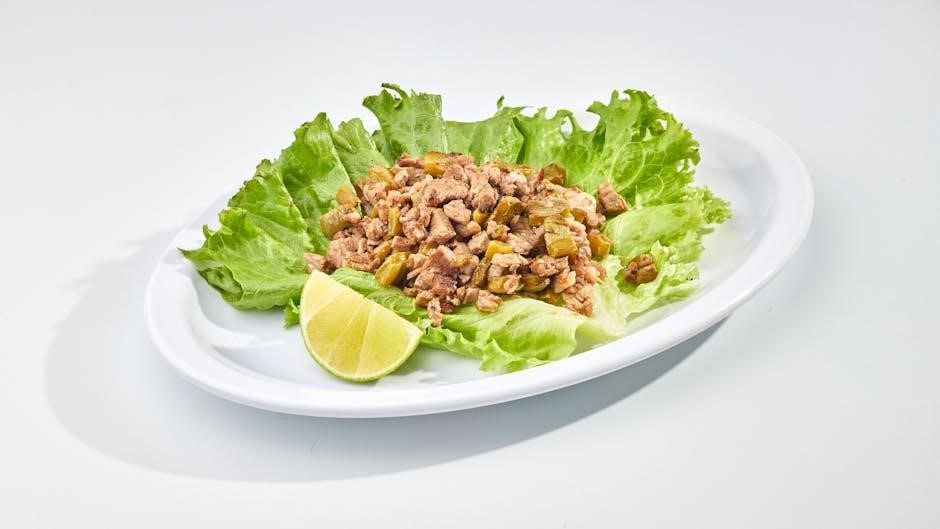
A typical day involves large portions of protein with legumes and non-starchy vegetables, offering a simple structure for consistent, effective weight management.
Breakfast Ideas
Breakfast on the Slow-Carb Diet often deviates from traditional norms, as the focus isn’t on a morning meal, but rather on strategically timed eating. However, if you prefer breakfast, prioritize protein and avoid the restricted carbohydrates.
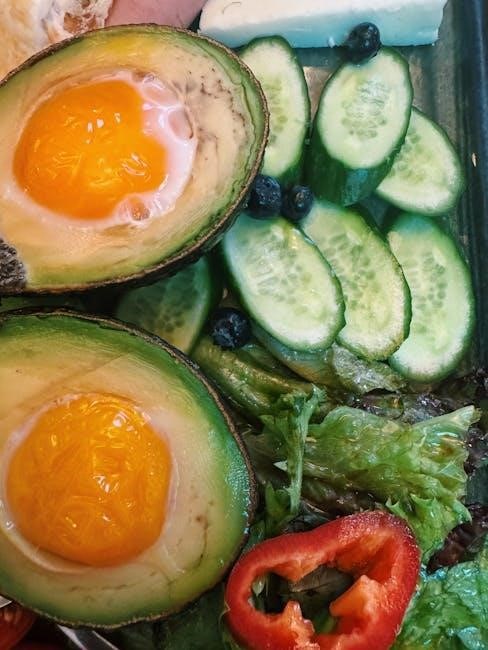
Excellent choices include a large serving of eggs – scrambled, fried, or poached – paired with a side of spinach or other leafy greens. Consider adding a portion of lean turkey or chicken sausage for increased protein intake. Another option is a protein shake made with unsweetened almond milk and a scoop of protein powder.
Remember, the goal is to kickstart your metabolism with protein and keep insulin levels stable. Avoid fruits, grains, and dairy at breakfast, as these are restricted on the Slow-Carb Diet. Keeping it simple and protein-focused will set a positive tone for the day.
Lunch & Dinner Examples
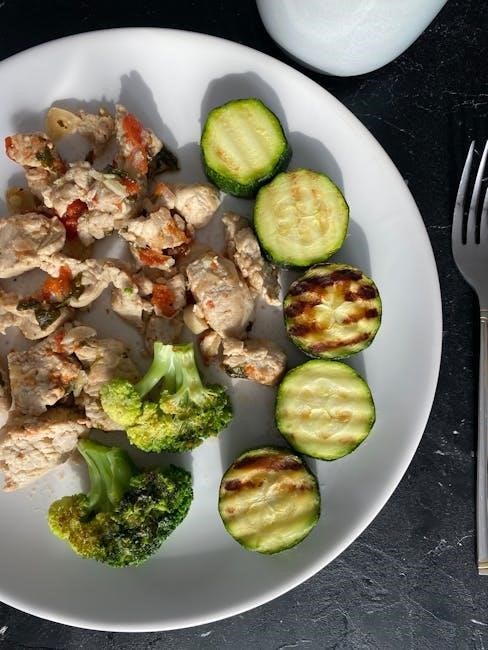
Lunch and dinner on the Slow-Carb Diet should heavily feature protein sources alongside generous portions of non-starchy vegetables and legumes. A typical lunch could consist of a large salad with grilled chicken or fish, mixed greens, and a side of black beans.
For dinner, consider a stir-fry with lean beef, broccoli, peppers, and a small serving of lentils; Another excellent option is baked salmon with asparagus and a side of chickpeas. Remember to cook your meals simply, avoiding sugary sauces or marinades.
Prioritize filling your plate with protein and vegetables, using legumes as a carbohydrate source. These meals are designed to keep you feeling full and satisfied, minimizing cravings and supporting weight loss.
Finding Slow Carb Diet Food Lists in PDF Format
Numerous online resources offer downloadable Slow-Carb Diet food lists in PDF format, providing convenient references for approved foods and meal planning assistance.
Reliable Sources for PDF Downloads
Locating trustworthy Slow-Carb Diet food lists requires careful consideration of the source. While a simple web search yields many results, not all PDFs are created equal. Several websites dedicated to health and wellness frequently offer well-structured and accurate lists.
Look for PDFs originating from reputable sources like those affiliated with nutritionists, dietitians, or established health publications. Websites directly referencing Tim Ferriss’s The 4-Hour Body are generally reliable, as they aim to align with the diet’s original principles.
Beware of sites promoting overly restrictive or unconventional variations of the diet. Always cross-reference information with the core tenets outlined in Ferriss’s book. Checking for recent updates is also crucial, as dietary recommendations can evolve. Prioritize PDFs that clearly categorize foods – proteins, legumes, vegetables – for easy navigation and meal planning.
What to Look for in a Good PDF List
A comprehensive Slow-Carb Diet PDF should prioritize clarity and accuracy. Essential features include a distinct separation of approved and restricted foods, mirroring the diet’s core principles. Look for detailed categorization – proteins, legumes, non-starchy vegetables – facilitating easy meal planning.
A quality list will specify portion sizes or serving suggestions, though the diet doesn’t heavily emphasize precise measurements. It should clearly outline foods to avoid, particularly white carbohydrates, sugary items, and fruits (due to limited consumption).
Bonus features include recipe ideas utilizing approved ingredients and a section addressing common questions or concerns. Avoid lists that promote excessive restrictions or deviate significantly from the original 4-Hour Body guidelines. Prioritize PDFs that are well-organized, easy to read, and free of grammatical errors.