
Navigating discussions about Islam requires sensitivity‚ acknowledging historical context and diverse interpretations‚ while confronting potentially ‘politically incorrect’ aspects․
Open dialogue is crucial‚ yet often stifled by fear of accusations of bigotry‚ obscuring legitimate problems and hindering nuanced understanding․
Here‚ “politically incorrect” signifies examining aspects often avoided due to social pressures‚ focusing on critical analysis rather than offense․
The Need for Open Discussion
A frank and open discussion surrounding Islam is not merely desirable‚ but absolutely essential for fostering genuine understanding and addressing complex challenges․ The current climate often discourages critical inquiry‚ fearing accusations of Islamophobia or bigotry‚ effectively silencing legitimate concerns and hindering intellectual progress․
This self-censorship prevents a thorough examination of historical practices‚ controversial interpretations‚ and contemporary issues․ Ignoring difficult questions – regarding intellectualism‚ scientific progress‚ or historical events like slavery and imperialism – does not make them disappear; it merely allows them to fester unaddressed․
Furthermore‚ the absence of robust debate within the Muslim world itself‚ as noted‚ exacerbates the problem․ A willingness to engage with uncomfortable truths‚ even those deemed ‘politically incorrect’‚ is paramount for meaningful reform and a more nuanced comprehension of this multifaceted faith․
Defining “Politically Incorrect” in this Context
Within this exploration‚ “politically incorrect” doesn’t equate to bigotry or malice‚ but rather a commitment to rigorous‚ unflinching analysis‚ even when it challenges prevailing narratives or sensitivities․ It signifies a willingness to discuss aspects of Islamic doctrine‚ history‚ and practice that are often avoided in mainstream discourse due to fear of offense․
This includes examining criticisms leveled against Islam throughout history‚ questioning interpretations of the Quran and Hadith‚ and acknowledging controversial historical practices․ It necessitates a departure from overly simplistic portrayals and a rejection of the notion that all criticism is inherently Islamophobic․
Crucially‚ it demands recognizing the diversity of thought within the Muslim world and avoiding generalizations․ The aim isn’t to demonize‚ but to understand – even when that understanding reveals uncomfortable truths․

Historical Origins of Islam
Islam emerged in 7th-century Arabia‚ amidst existing polytheistic beliefs‚ with Muhammad as a central figure whose historicity and teachings are subject to scrutiny․
The Pre-Islamic Context: Arabia Before Muhammad
Prior to the 7th century‚ the Arabian Peninsula was a complex tapestry of tribal societies‚ largely polytheistic‚ with a significant Jewish and Christian presence․ Mecca‚ a crucial trade hub‚ housed numerous idols venerated at the Kaaba․ Social structures were deeply rooted in tribal allegiance‚ often leading to frequent conflicts and vendettas․
Economic life revolved around trade‚ agriculture in limited areas‚ and pastoral nomadism․ There was no centralized political authority; power resided within individual tribes․ Moral codes varied‚ though hospitality and honor were highly valued․ Practices like female infanticide‚ though debated in extent‚ were reportedly present․
Understanding this pre-Islamic context – often termed Jahiliyya (the Age of Ignorance) in Islamic tradition – is vital․ It wasn’t simply a chaotic void‚ but a functioning‚ albeit often brutal‚ society that shaped the environment into which Islam arose․
Muhammad as a Historical Figure: Examining the Sources
Assessing Muhammad’s life as a historical figure demands critical source evaluation․ The primary sources – the Quran and early Islamic traditions (Hadith) – were compiled decades after his death‚ raising questions of transmission accuracy and potential embellishment․
Non-Muslim sources from the period are scarce and often brief‚ offering limited corroboration․ Scholarly debate exists regarding the historicity of certain events described in Islamic texts․ Some scholars suggest Muhammad was simply a historical figure‚ open to criticism‚ challenging traditional narratives․
Acknowledging these limitations is crucial․ While denying Muhammad’s existence is untenable‚ accepting every detail in early sources uncritically is problematic․ A nuanced approach requires separating likely historical events from later theological interpretations․
The Rise of the Islamic Empire: Rome‚ Persia‚ and Beyond
The rapid expansion of the Islamic empire in the 7th and 8th centuries dramatically reshaped the geopolitical landscape‚ eclipsing the Byzantine and Sasanian empires – Rome and Persia․ This expansion wasn’t solely religious; strategic military leadership‚ political weaknesses of existing powers‚ and economic factors played significant roles․
Initial conquests were followed by periods of administration and integration‚ though often involving subjugation of conquered populations․ The empire’s growth also facilitated trade and the spread of Islamic culture‚ but also involved practices akin to imperialism․
Acknowledging the complexities of this period requires moving beyond simplistic narratives of religious zeal and recognizing the interplay of power‚ politics‚ and socio-economic forces․
The Quran and Islamic Law (Sharia)
The Quran serves as the foundational text‚ yet Sharia isn’t a monolithic legal code; interpretations vary widely‚ sometimes ignoring maslaha (public interest)․
The Quran as a Foundational Text
The Quran is considered by Muslims to be the verbatim word of God (Allah)‚ revealed to the Prophet Muhammad through the angel Gabriel․ It functions as the primary source of guidance for believers‚ encompassing moral‚ ethical‚ and legal principles․ However‚ viewing the Quran solely as a ‘constitution’ – a fixed set of rules – is an oversimplification․
Its verses are often open to interpretation‚ leading to diverse schools of thought within Islam․ The text itself doesn’t provide exhaustive detail on every aspect of life‚ necessitating the development of supplementary sources like Hadith․ Critically examining the historical context of Quranic revelation is essential‚ acknowledging that verses were revealed within specific societal circumstances․
Furthermore‚ the Quran’s relationship to Sharia is complex; it’s a foundational element‚ but not the entirety of Islamic jurisprudence․ Ignoring this nuance contributes to overly simplistic understandings and fuels misrepresentations․
Sharia: Beyond a Simple Legal Code
Sharia‚ often misrepresented as a rigid legal code‚ is more accurately understood as a comprehensive ethical and moral framework derived from the Quran and Sunnah (Prophet Muhammad’s practices)․ It encompasses not only legal rulings but also guidelines for personal conduct‚ worship‚ and societal interactions․
The application of Sharia varies significantly across different Islamic schools of thought and geographical regions․ Reducing it to a single‚ universal set of laws ignores this diversity and historical evolution․ A critical issue lies in the modern application of Sharia‚ where the principle of maslaha (public interest) is sometimes overlooked․
This can lead to interpretations that are out of step with contemporary needs and values․ Furthermore‚ the lack of robust intellectual debate within many Muslim communities hinders the necessary re-evaluation and contextualization of Sharia principles․
The Role of Hadith in Shaping Islamic Jurisprudence
Hadith‚ accounts of Prophet Muhammad’s sayings and actions‚ are central to Islamic jurisprudence‚ supplementing the Quran and providing practical guidance․ However‚ the authenticity and interpretation of Hadith are subjects of ongoing scholarly debate‚ impacting the development of Islamic law․
Critical analysis of Hadith is essential‚ as varying chains of transmission and potential for fabrication exist․ Some scholars have questioned the historical reliability of certain Hadith‚ suggesting they may reflect later theological concerns rather than the Prophet’s actual teachings․
This raises questions about the basis of specific legal rulings and the extent to which they accurately represent early Islamic practice․ Ignoring these complexities can lead to rigid interpretations and hinder a nuanced understanding of Islamic jurisprudence․
Criticism of Islamic Doctrine and Practice
Historical criticisms target intellectualism‚ scientific progress‚ and controversial practices like slavery; early opponents‚ Jews and Christians‚ voiced disapproval before the ninth century․
Historical Criticisms of Islam: Early Opponents
Early written disapproval of Islam emerged swiftly after its inception‚ primarily from Jewish and Christian communities before the ninth century․ These critiques weren’t absent; they formed a significant‚ though often overlooked‚ part of the historical record․ Initial objections centered on Muhammad’s prophetic claims‚ challenging his assertions of divine revelation and questioning the new faith’s divergence from established Abrahamic traditions․
Scholars questioned Muhammad’s status‚ suggesting he was merely a historical figure open to scrutiny‚ and even denying the existence of a codified Islamic law․ These early criticisms weren’t simply theological disagreements; they represented a clash of worldviews and a defense of existing religious and intellectual frameworks․ The historical context reveals a vibrant‚ albeit often contentious‚ intellectual landscape where Islam faced immediate and pointed opposition․
Criticism Regarding Intellectualism and Scientific Progress
A recurring criticism posits that Islam inherently discourages intellectualism‚ critical thinking‚ and curiosity‚ contributing to a perceived lag in scientific and technological advancement within Muslim-majority countries․ This argument suggests a cultural and theological emphasis on tradition and revelation‚ potentially stifling independent inquiry and innovation․ The claim isn’t universally accepted‚ but it’s a persistent theme in discussions about the historical trajectory of scientific progress․
Critics point to a perceived lack of emphasis on empirical observation and experimentation‚ alongside a historical tendency towards prioritizing religious dogma over secular knowledge․ This perspective doesn’t deny past Islamic contributions to science‚ but argues for a systemic impediment to sustained intellectual flourishing in more recent times․
Controversial Historical Practices: Slavery and Imperialism
Historically‚ Islamic societies engaged in slavery‚ a practice often glossed over in mainstream narratives․ While Islamic law outlined regulations regarding treatment and manumission‚ the institution itself was widely accepted and practiced for centuries‚ involving both Arab and non-Arab populations․ This aspect of Islamic history draws significant criticism‚ particularly when contrasted with modern ethical standards․
Furthermore‚ the expansion of the Islamic empire involved conquest and‚ consequently‚ imperialistic practices․ While often framed as spreading a new faith‚ these expansions resulted in subjugation and exploitation of conquered peoples․ Acknowledging this imperial past is crucial for a comprehensive understanding of Islamic history‚ despite its uncomfortable implications․

The Problem of Interpretation and Modernity
Modern application of Islamic principles often neglects Maslaha (public interest)‚ while a lack of robust intellectual debate hinders adaptation to contemporary challenges․
Ignoring Maslaha (Public Interest) in Modern Application
Maslaha‚ the concept of public interest or welfare‚ historically served as a vital component in Islamic jurisprudence‚ allowing for contextualized rulings beyond strict textual interpretations․ However‚ a growing trend towards rigid literalism often disregards Maslaha in modern applications of Sharia․
This inflexibility can lead to outcomes detrimental to societal well-being‚ prioritizing adherence to perceived original intent over practical considerations; For example‚ certain interpretations regarding financial transactions or social interactions may hinder economic development or exacerbate social inequalities․
The failure to prioritize Maslaha contributes to a perception of Islam as being out of touch with modern realities‚ fostering resentment and hindering constructive engagement with contemporary issues․ A renewed emphasis on this principle is crucial for a relevant and beneficial application of Islamic ethics in the 21st century․
The Lack of Intellectual Debate within the Muslim World
A significant impediment to progress within many Muslim-majority societies is a demonstrable lack of robust intellectual debate․ Critical self-reflection‚ essential for adaptation and innovation‚ is often suppressed by social pressures and a fear of challenging established norms․
This intellectual stagnation stems from a reluctance to openly question interpretations of religious texts and historical practices․ The absence of admissible perspectives hinders the development of nuanced understandings and perpetuates outdated ideologies․ Consequently‚ dissenting voices are often marginalized or silenced․
Without open discourse‚ the Muslim world struggles to address contemporary challenges effectively‚ remaining trapped in cycles of dogma and hindering its potential for intellectual and societal advancement․
The Absence of Compromise in Islamic Thought
A striking feature of much Islamic thought is a perceived rigidity and lack of willingness to compromise‚ contrasting sharply with the pragmatic approaches found in other civilizations․ This inflexibility often manifests in an unwillingness to adapt interpretations of religious doctrine to modern contexts․
Unlike systems that embrace evolution and negotiation‚ certain strands of Islamic thought prioritize adherence to perceived original principles‚ resisting any deviation‚ even when beneficial․ This absence of compromise hinders constructive dialogue and fuels conflict with differing worldviews․
The lack of intellectual flexibility limits the capacity for peaceful coexistence and impedes progress towards resolving complex societal challenges․
Muhammad’s Example and its Interpretation
Muhammad’s Sunnah‚ his practices‚ profoundly influences Muslims; however‚ interpretations range from strict emulation to contextualized adaptation‚ sparking ongoing debate․
The Importance of Sunnah (Muhammad’s Practices)
The Sunnah‚ encompassing the Prophet Muhammad’s words‚ actions‚ and approvals‚ holds immense significance for Muslims‚ serving as a crucial guide alongside the Quran․ It details aspects of life not explicitly covered in the foundational text‚ offering practical examples for worship‚ ethics‚ and social conduct․
However‚ the very act of reconstructing and interpreting the Sunnah‚ relying on Hadith (narrations)‚ introduces complexities․ Authenticity debates and varying interpretations create diverse schools of thought․ Some emphasize rigid adherence‚ viewing any deviation as unacceptable‚ while others prioritize contextual understanding‚ adapting practices to modern circumstances․
Critically examining the Sunnah‚ acknowledging potential biases in transmission‚ and recognizing the historical context are vital․ Ignoring this nuanced approach can lead to inflexible interpretations and hinder constructive dialogue about its relevance in the 21st century․
Emulating Muhammad: Rigidity vs․ Contextualization
The imperative to emulate Muhammad (peace be upon him) is central to Islamic faith‚ yet the how is a source of ongoing debate․ A rigid approach demands literal imitation of his actions‚ irrespective of differing historical or social contexts‚ potentially leading to impractical or even harmful applications today․
Conversely‚ contextualization argues for understanding the principles underlying his actions‚ adapting them to contemporary realities․ This necessitates critical thinking and acknowledging that specific practices were rooted in 7th-century Arabia․
The absence of compromise in some Islamic thought hinders this contextualization‚ fostering an unwillingness to adapt․ This inflexibility clashes with the demands of modernity and fuels criticisms regarding Islam’s perceived resistance to progress and intellectual debate․
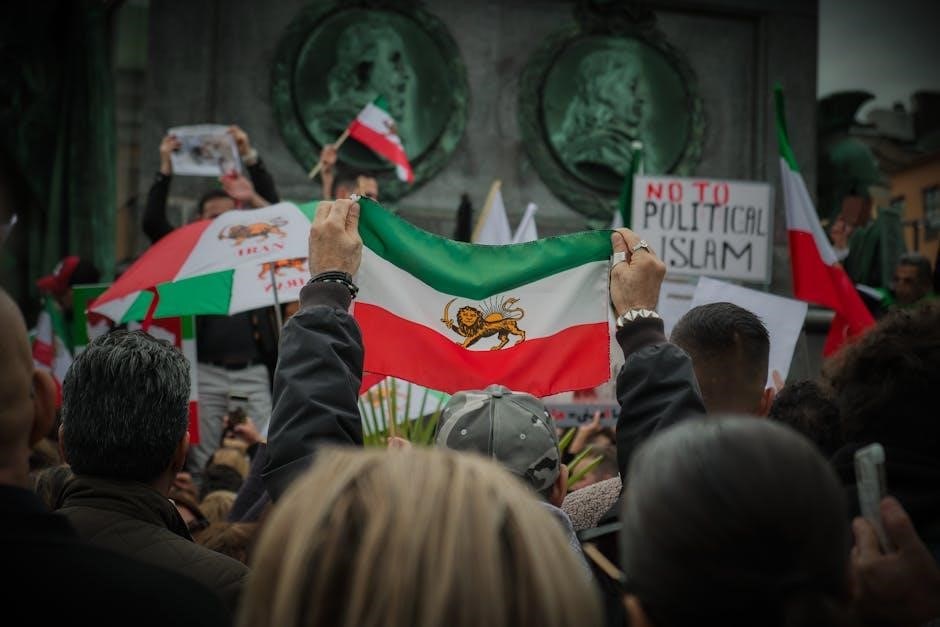
Contemporary Challenges and Controversies
Modern issues like blasphemy‚ women’s rights‚ and extremism spark debate‚ challenging traditional interpretations and exposing tensions within Islamic societies globally․
The Issue of Blasphemy and Freedom of Speech
Blasphemy laws‚ prevalent in many Islamic-majority nations‚ represent a significant clash with Western concepts of freedom of speech and expression․ These laws often criminalize speech deemed disrespectful to Islam‚ Muhammad‚ or Islamic symbols‚ carrying severe penalties‚ including imprisonment or even death․
Critics argue that such laws stifle intellectual discourse‚ suppress dissent‚ and are used to persecute minorities and those with differing viewpoints․ The very definition of ‘blasphemy’ is subjective and open to interpretation‚ leading to arbitrary enforcement and abuse․
Conversely‚ proponents maintain that these laws protect religious sensitivities and maintain social harmony․ They argue that freedom of speech should not extend to deliberately inciting hatred or disrespecting deeply held beliefs․ This creates a fundamental tension between individual liberties and collective religious values‚ a core contemporary challenge․
The Status of Women in Islamic Societies
The status of women within Islamic societies is a complex and often contentious issue‚ marked by significant variations across different regions and interpretations of Islamic texts․ While Islam grants women certain rights – including property ownership and the right to education – these are often curtailed in practice․
Critics point to discriminatory practices such as restrictions on dress‚ movement‚ and legal testimony‚ as well as unequal treatment in matters of marriage‚ divorce‚ and inheritance․ These inequalities are often justified by conservative interpretations of the Quran and Hadith․
However‚ many Muslim feminists argue for a reinterpretation of Islamic texts that promotes gender equality and challenges patriarchal norms․ The debate centers on balancing religious tradition with modern concepts of human rights and social justice‚ a continuing struggle․

The Debate Over Islamic Extremism and Violence
The link between Islam and violence is a highly debated topic‚ often fueled by the actions of extremist groups․ While these groups claim to act in the name of Islam‚ mainstream Muslims widely condemn their violence as a distortion of the faith’s teachings․
Critics argue that certain interpretations of Islamic texts‚ particularly those emphasizing warfare and retribution‚ contribute to a climate of extremism․ They point to historical instances of religiously motivated conflict within the Islamic world․
However‚ many scholars emphasize that violence is not inherent to Islam‚ and that socio-political factors – such as poverty‚ oppression‚ and political grievances – play a significant role in radicalization․ Addressing these root causes is crucial for countering extremism․
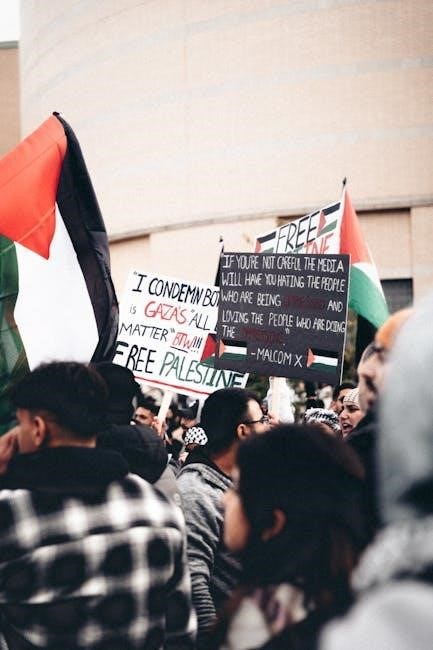
Towards a More Nuanced Understanding
Acknowledging Islam’s complexities‚ historical context‚ and diverse interpretations is vital; avoid oversimplification and embrace critical thinking for informed perspectives․
Acknowledging Complexity and Avoiding Oversimplification
Islam‚ as a multifaceted faith and civilization‚ defies easy categorization․ Reducing it to simplistic narratives – whether positive or negative – obscures its rich history and internal diversity․ The notion of ‘Sharia’ as a single‚ universally applied legal code is a prime example of such oversimplification․
Historical analysis reveals a dynamic interplay of interpretations and practices‚ shaped by local contexts and political realities․ Ignoring this nuance risks perpetuating harmful stereotypes and hindering genuine understanding․ The Quran‚ while foundational‚ is subject to varied interpretations‚ and the role of Hadith further complicates the picture․
Critical engagement demands recognizing the spectrum of beliefs and practices within the Muslim world‚ acknowledging both its contributions and its challenges‚ and resisting the temptation to paint with broad strokes․
The Importance of Critical Thinking and Historical Awareness
A robust understanding of Islam necessitates rigorous critical thinking‚ moving beyond superficial narratives and engaging with primary sources whenever possible․ Examining historical criticisms‚ from early Jewish and Christian disapproval to modern scholarship‚ is vital‚ even when uncomfortable․
Acknowledging past practices – including the acceptance of slavery and periods of Islamic imperialism – is not endorsement‚ but essential for honest assessment․ Similarly‚ scrutinizing claims regarding intellectualism and scientific progress requires a nuanced approach‚ avoiding both uncritical praise and condemnation․
Historical awareness reveals that interpretations of religious texts are not static; they evolve with time and context․ Recognizing this dynamism is crucial for navigating contemporary debates and fostering a more informed perspective․