
This guide offers comprehensive direction for the planning, design, and operational aspects of pedestrian spaces along roadways․ It emphasizes effective accommodation of pedestrians within public rights-of-way․
Purpose of the Guide
This guide serves as a crucial resource for transportation professionals involved in creating safe and convenient environments for pedestrians․ Its primary aim is to furnish detailed guidance on the planning, design, and operational considerations for pedestrian facilities situated along both streets and highways․
Specifically, the guide concentrates on pinpointing and implementing effective strategies for accommodating pedestrians within public rights-of-way․ It doesn’t operate in isolation; it acknowledges and supports compliance with vital standards like the 2010 Americans with Disabilities Act (ADA) Standards for Accessible Design and the Public Rights-Of-Way Accessibility Guidelines (PROWAG)․

Furthermore, it complements resources such as the NACTO Urban Street Design Guide and the ITE Designing Urban Walkable Thoroughfares, while also referencing The Manual on Uniform Traffic Control Devices (MUTCD)․ Ultimately, this guide strives to enhance pedestrian safety and accessibility across diverse transportation networks․
Scope: Streets and Highways
This guide’s scope encompasses the comprehensive range of pedestrian facilities found along both streets and highways, addressing diverse contexts from urban centers to rural roadways․ It provides applicable guidance for a wide spectrum of project types, including new construction, retrofits of existing infrastructure, and routine maintenance activities․
The document focuses on the public right-of-way, recognizing that this is the primary space where pedestrians interact with vehicular traffic․ It covers elements like sidewalks, crosswalks, curb ramps, pedestrian signals, and refuge islands․ The guide acknowledges the varying complexities presented by different roadway classifications and traffic volumes․
Importantly, it doesn’t limit itself to solely technical design; it also addresses the planning and operational aspects crucial for creating a cohesive and safe pedestrian network․ It aims to be a versatile tool for practitioners working across various jurisdictional boundaries and project scales․
Relevant Standards & Guidelines (AASHTO, NACTO, ITE)
This guide builds upon and complements existing standards from leading organizations like the American Association of State Highway and Transportation Officials (AASHTO), offering the latest guidance on pedestrian facility planning, design, and operation․ The 2021 AASHTO guide serves as a foundational resource, while acknowledging the valuable flexibilities offered by the National Association of City Transportation Officials (NACTO) Urban Street Design Guide․
The Institute of Transportation Engineers (ITE) Designing Urban Walkable Thoroughfares provides a context-sensitive approach, further enriching the available resources․ It’s crucial to note that utilizing NACTO and ITE guidance doesn’t supersede adherence to mandatory regulations like the 2010 Americans with Disabilities Act (ADA) Standards for Accessible Design and the Public Rights-Of-Way Accessibility Guidelines (PROWAG)․
Furthermore, compliance with The Manual on Uniform Traffic Control Devices for Streets and Highways (MUTCD) remains essential for all traffic control measures impacting pedestrians․

Pedestrian Planning Fundamentals
Effective pedestrian planning necessitates a deep understanding of user needs, thorough data collection, and seamless integration with broader transportation initiatives for optimal results․
Understanding Pedestrian Needs & Characteristics
A successful pedestrian facility acknowledges diverse user groups and their unique requirements․ Planners must consider varying abilities, ages, and trip purposes․ Children, seniors, individuals with disabilities, and those encumbered with packages or strollers all present distinct needs․
Understanding pedestrian walking speeds is crucial; these vary significantly based on factors like age, grade, and crowding․ Design should accommodate slower walkers to ensure comfort and safety for all․ Furthermore, recognizing pedestrian route choices – influenced by directness, safety, and aesthetics – is vital․
Perception and reaction times also differ among individuals․ Designers must account for these variations when determining crossing distances and signal timing․ Consideration of environmental factors, such as weather and lighting, is equally important․ Ultimately, a human-centered approach, prioritizing the comfort and safety of all pedestrians, is paramount in effective planning and design․
Data Collection for Pedestrian Planning
Robust data collection forms the bedrock of effective pedestrian planning․ Essential data includes pedestrian volumes at various locations and times, utilizing manual counts, automated counters, or video analysis․ Analyzing pedestrian origins and destinations reveals common travel patterns and key desire lines․
Crucially, data should also encompass pedestrian characteristics – age, gender, and presence of mobility devices – to understand user demographics․ Safety audits, identifying potential hazards and conflicts, are vital; Collision data, pinpointing locations with high incident rates, informs targeted improvements․
Furthermore, gathering public input through surveys and community workshops provides valuable qualitative data on pedestrian experiences and concerns․ Mapping existing pedestrian infrastructure – sidewalks, crosswalks, signals – creates a baseline for assessing gaps and deficiencies․ Combining these data sources allows for a comprehensive understanding of pedestrian needs and informs evidence-based planning decisions․
Integrating Pedestrian Planning with Transportation Planning
Effective transportation planning must seamlessly integrate pedestrian needs, moving beyond an exclusive focus on vehicular traffic․ This requires a holistic approach, considering pedestrian access to transit, schools, workplaces, and recreational areas․ Prioritizing pedestrian infrastructure within broader transportation projects ensures complete streets that serve all users․
Coordination between transportation and land use planning is crucial, promoting compact, mixed-use developments that reduce trip lengths and encourage walking․ Funding allocations should reflect the importance of pedestrian improvements, alongside roadway expansions․
Furthermore, performance measures should include pedestrian-related metrics, such as pedestrian level of service and pedestrian safety indices․ Collaboration between transportation agencies, city planners, and community stakeholders fosters a shared vision for pedestrian-friendly environments․ This integrated approach ultimately creates safer, more accessible, and more vibrant communities․

Pedestrian Facility Design: General Principles
Pedestrian facility design prioritizes accessibility, safety, and universal usability, adhering to standards like ADA and PROWAG for inclusive public rights-of-way․
Accessibility Considerations (ADA, PROWAG)
Ensuring pedestrian facilities are accessible to all users is paramount, and adherence to the 2010 Americans with Disabilities Act (ADA) Standards for Accessible Design is non-negotiable; These standards dictate requirements for curb ramps, sidewalk surfaces, pedestrian signals, and detectable warnings, guaranteeing individuals with disabilities can navigate public rights-of-way safely and independently․
Furthermore, the Public Rights-of-Way Accessibility Guidelines (PROWAG) offer more detailed guidance, supplementing the ADA standards․ PROWAG addresses a broader range of accessibility features within the public right-of-way, including pedestrian access to on-street parking and transit stops․ It provides specific technical requirements for elements like sidewalk widths, cross slopes, and obstacle detection․
Designers must prioritize compliance with both ADA and PROWAG, recognizing that PROWAG doesn’t supersede ADA but expands upon it․ Careful consideration of these guidelines during the planning and design phases is crucial for creating truly inclusive pedestrian environments, fostering equitable access for everyone․

Safety Principles in Pedestrian Design
Prioritizing pedestrian safety is fundamental in the planning and design of all facilities․ This involves a holistic approach, considering factors like visibility, pedestrian volumes, vehicle speeds, and potential conflict points․ Effective design minimizes risks by creating predictable and intuitive environments for both pedestrians and drivers․
Key safety principles include providing adequate lighting, ensuring clear sightlines at intersections, and implementing appropriate traffic calming measures to reduce vehicle speeds․ Separating pedestrians from vehicular traffic through sidewalks, crosswalks, and pedestrian islands significantly enhances safety․ Careful consideration of crosswalk placement and design, including high-visibility markings, is also crucial․
Furthermore, incorporating universal design principles – creating facilities usable by all people, to the greatest extent possible – contributes to overall safety․ Proactive risk assessment and a commitment to continuous improvement are essential for creating pedestrian environments that prioritize the well-being of all users․
Universal Design for Pedestrian Facilities
Universal Design ensures pedestrian facilities are usable by all people, regardless of age, ability, or other factors․ This goes beyond simply meeting ADA requirements, aiming for inclusivity in every aspect of design․ It means creating environments that are intuitive and require minimal effort to navigate․
Key elements include providing smooth, stable, and firm walking surfaces, ensuring adequate width for wheelchairs and other mobility devices, and minimizing slopes․ Tactile warning surfaces alert visually impaired pedestrians to potential hazards, like street crossings․ Clear and consistent signage, utilizing both visual and tactile elements, is also vital․
Universal Design benefits everyone, not just those with disabilities․ Features like curb ramps and accessible pedestrian signals improve convenience for parents with strollers, people using luggage, and older adults․ By embracing these principles, we create pedestrian networks that are welcoming and accessible to all members of the community․

Intersection Design for Pedestrians
Intersection design focuses on curb radii, crossing distances, and treatments like extensions and islands, ensuring safe pedestrian passage through complex turning movements and crossings․
Curb Radii and Crossing Distances
Curb radii significantly impact pedestrian safety at intersections, directly influencing vehicle turning speeds and pedestrian crossing distances․ Larger radii encourage faster turning, potentially increasing the risk of collisions․ Conversely, tighter radii can constrain vehicle movements but enhance pedestrian visibility and reduce crossing speeds․
Minimizing crossing distances is paramount for pedestrian safety, particularly for vulnerable users like children and seniors․ Shorter crossings reduce exposure to vehicular traffic and provide pedestrians with more time to react․ Design considerations include optimizing curb radii to achieve the shortest feasible crossing distance while accommodating vehicle movements․
The guide emphasizes a balanced approach, considering both pedestrian safety and vehicular operational efficiency․ Careful evaluation of site-specific conditions, including traffic volumes, vehicle speeds, and pedestrian characteristics, is crucial for determining appropriate curb radii and ensuring safe, comfortable pedestrian crossings․ Skewed intersections present unique challenges, requiring careful attention to alignment and visibility․
Curb Extensions, Crossing Islands & Medians
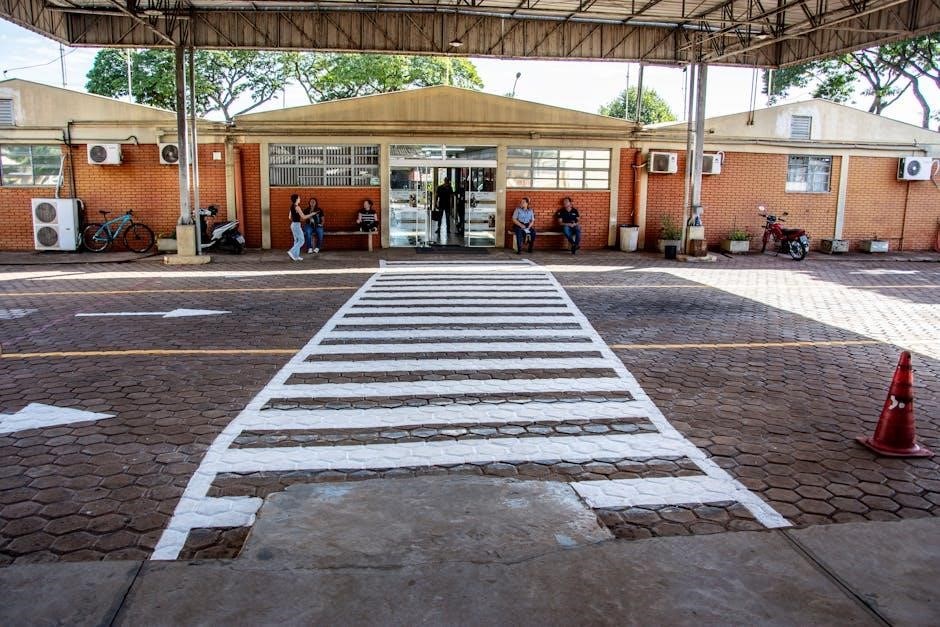
Curb extensions (bulb-outs) effectively shorten pedestrian crossing distances, enhancing safety by reducing exposure to vehicular traffic․ They also improve pedestrian visibility, prompting drivers to yield․ Careful design is crucial to avoid obstructing vehicle movements or impacting drainage patterns․
Crossing islands and medians provide refuge for pedestrians navigating multi-lane roadways․ These features allow pedestrians to cross one direction of traffic at a time, reducing the complexity and risk of the crossing․ Design dimensions must accommodate pedestrian volumes and provide adequate waiting space․
The guide highlights the importance of considering pedestrian needs when incorporating these features․ Crossing islands should be sufficiently wide and accessible, while medians should be strategically placed to maximize their effectiveness․ Proper signage and markings are essential to guide pedestrians and drivers․ Careful attention to drainage and landscaping is also necessary for long-term functionality․
Crosswalk Design & Placement
Crosswalks are integral to pedestrian safety, designating specific locations for pedestrians to cross roadways․ Strategic placement is paramount, prioritizing areas with high pedestrian volumes, direct connections to key destinations, and favorable sightlines for both pedestrians and drivers․ Avoid locating crosswalks near curves or obstructions that limit visibility․
The guide emphasizes the importance of considering crosswalk width, markings, and visibility․ High-visibility crosswalks, utilizing patterned markings or enhanced lighting, can significantly improve driver awareness․ Longitudinal markings, like zebra stripes, are generally preferred for their clarity․
Furthermore, the guide addresses the need for appropriate signage and pedestrian signals․ Rectangular Rapid Flashing Beacons (RRFBs) are effective in alerting drivers to pedestrian presence․ Careful consideration of pedestrian crossing speeds and vehicle approach speeds is crucial when determining signal timing․ Accessibility for all users, including those with disabilities, must be a primary design consideration․
Sidewalk & Curb Treatments at Crossings
Sidewalk and curb treatments at pedestrian crossings significantly impact accessibility and safety․ Flush, continuous sidewalks are ideal, eliminating abrupt changes in level that can pose challenges for wheelchair users and individuals with mobility devices․ Where grade changes are unavoidable, curb ramps conforming to ADA and PROWAG standards are essential․
The guide stresses the importance of detectable warning surfaces at curb ramps, alerting visually impaired pedestrians to the transition between sidewalk and roadway․ These surfaces should be durable and slip-resistant․ Curb extensions, also known as bulb-outs, can reduce crossing distances and enhance pedestrian visibility․
Properly designed curb ramps must have appropriate slopes, landings, and handrails where necessary․ Maintaining clear zones around crossings, free from obstructions like signage or utility poles, is crucial․ Consistent and predictable treatments across the pedestrian network contribute to a more intuitive and safer experience for all users․

Pedestrian Facility Operation & Maintenance
Effective operation and upkeep are vital for sustained pedestrian safety and usability․ This includes adhering to MUTCD guidelines for traffic control and consistent infrastructure maintenance․

Traffic Control Devices for Pedestrians (MUTCD)
The Manual on Uniform Traffic Control Devices (MUTCD) establishes national standards for all traffic control devices, including those specifically for pedestrians․ These devices are crucial for ensuring pedestrian safety and clearly communicating right-of-way rules to both pedestrians and drivers․
The MUTCD covers a wide range of pedestrian-related controls, such as crosswalk markings, pedestrian signals (including countdown timers), accessible pedestrian signals (APS) for individuals with visual impairments, and various regulatory and warning signs․ Proper placement, visibility, and maintenance of these devices are paramount․
Guidance within the MUTCD addresses considerations for pedestrian signal timing, ensuring sufficient crossing time for diverse users, including seniors and individuals with disabilities․ It also details requirements for detectable warning surfaces at curb ramps, alerting visually impaired pedestrians to potential hazards․ Adherence to MUTCD standards is not merely recommended; it’s often a legal requirement for ensuring pedestrian safety and accessibility․
Maintenance of Pedestrian Infrastructure
Consistent maintenance is vital for preserving the functionality and safety of pedestrian facilities․ This encompasses regular inspections and prompt repairs of sidewalks, crosswalks, curb ramps, pedestrian signals, and any associated street furniture․ Addressing cracks, uneven surfaces, and obstructions proactively prevents trips, falls, and accessibility issues․
Vegetation management is also crucial; overgrown bushes can obstruct visibility at crossings, while tree roots can damage sidewalks․ Snow and ice removal during winter months is paramount for maintaining safe pedestrian access․ Furthermore, maintaining the reflectivity of pavement markings and ensuring pedestrian signals are operational are essential components of a robust maintenance program․
Effective maintenance extends the lifespan of infrastructure investments, reduces long-term costs, and demonstrates a commitment to pedestrian safety and accessibility․ A well-defined maintenance schedule, coupled with adequate funding, is key to ensuring a pedestrian-friendly environment․
Monitoring & Evaluation of Pedestrian Facility Performance
Regular monitoring and evaluation are essential to determine the effectiveness of pedestrian facilities and identify areas for improvement․ This involves collecting data on pedestrian volumes, speeds, and crash rates, as well as conducting observational studies to assess pedestrian behavior and identify potential safety hazards․
User feedback, gathered through surveys or public meetings, provides valuable insights into the perceived safety and convenience of facilities․ Analyzing this data helps transportation agencies understand how well facilities are meeting pedestrian needs and whether adjustments are necessary․
Performance measures should be established to track progress over time and demonstrate accountability․ This data-driven approach ensures that pedestrian investments are yielding positive results and contributing to a more walkable and sustainable transportation system․ Continuous evaluation fosters adaptive management and optimizes facility performance․