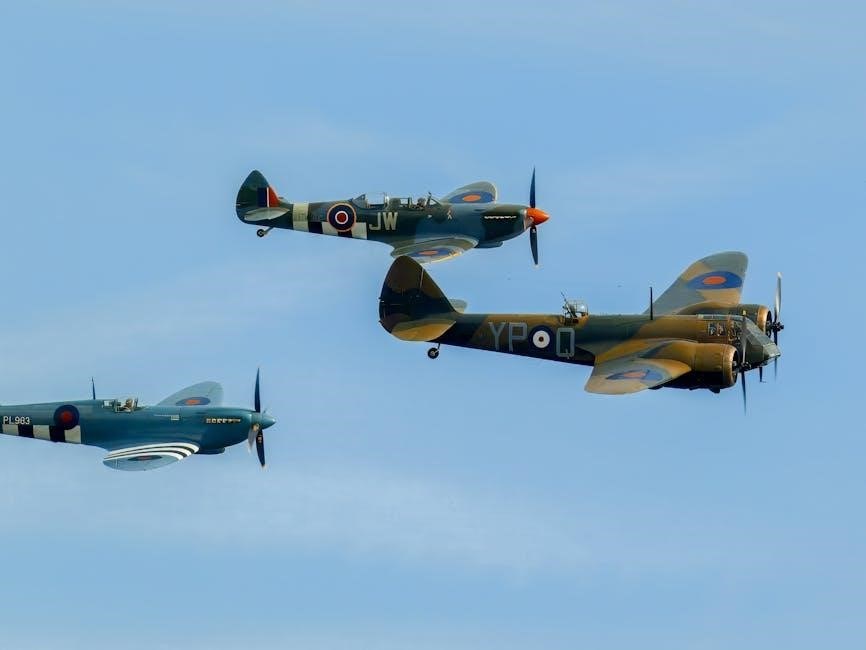
Aircraft of the World: The Complete Guide
This comprehensive guide explores diverse aircraft – from commercial airliners and general aviation to military, rotorcraft, and experimental designs.
Aircraft represent a monumental achievement in human engineering, enabling global connectivity and transforming modern society. From the earliest, fragile biplanes to today’s sophisticated jetliners and versatile rotorcraft, the evolution of flight is a captivating story. Understanding the breadth of aircraft types requires recognizing their diverse functionalities and designs.
This introduction sets the stage for a detailed exploration of the world of aircraft, encompassing commercial airliners, general aviation, military aircraft, and more specialized categories like rotorcraft and unpowered aircraft. We will delve into the core principles of flight, examining how these machines defy gravity and navigate the skies. The journey will also touch upon emerging technologies and future trends shaping the next generation of aircraft.
Categorizing Aircraft: A Broad Overview
Aircraft can be broadly categorized based on several key characteristics, including their purpose, wing configuration, propulsion system, and operational environment. A primary distinction lies between fixed-wing aircraft – encompassing everything from commercial airliners to general aviation planes – and rotary-wing aircraft, such as helicopters.
Further classifications include military aircraft (fighters, bombers, transports), lighter-than-air vehicles (airships, balloons), and unpowered aircraft (gliders, hang gliders). Turboprop and business jets represent specific propulsion-based categories. Each ‘aircraft’ is uniquely identified by its tail number and belongs to a specific ‘aircraft type’. Understanding these categories provides a framework for appreciating the incredible diversity within the world of flight.
Commercial Airliners
Commercial airliners are designed for transporting passengers and cargo, forming the backbone of global air travel. These aircraft are primarily categorized into narrow-body and wide-body configurations, differing in fuselage width and passenger capacity. Narrow-body aircraft, like the Boeing 737 and Airbus A320 families, are ideal for shorter routes and higher frequency flights.
Wide-body aircraft, such as the Boeing 777 and Airbus A330, offer increased capacity and range, suitable for long-haul operations. Aeroflot Group’s fleet includes 61 wide-body and 218 narrow-body medium-range aircraft, demonstrating the importance of both types. Safety and efficiency are paramount in the design and operation of these vital machines.
Narrow-Body Aircraft
Narrow-body aircraft define short to medium-haul travel, characterized by a single aisle cabin configuration. Popular examples include the Boeing 737 and Airbus A320 families, renowned for their efficiency and versatility. These aircraft typically accommodate 100 to 230 passengers, making them ideal for high-frequency routes and connecting regional cities.
Aeroflot Group operates a significant number of narrow-body aircraft – 218 medium-range – highlighting their crucial role in the airline’s network. Continuous advancements focus on fuel efficiency and passenger comfort. They represent a cornerstone of modern air travel, balancing capacity with operational costs effectively.
Wide-Body Aircraft
Wide-body aircraft are synonymous with long-haul travel, distinguished by a dual-aisle cabin offering increased passenger capacity and comfort. Iconic models like the Boeing 777 and Airbus A330 dominate international routes, accommodating 250 to over 550 passengers. These aircraft provide ample space for premium seating, in-flight entertainment, and cargo.
Aeroflot Group’s fleet includes 61 wide-body aircraft, essential for connecting major global hubs. Ongoing innovations prioritize fuel efficiency and reduced noise pollution. They are vital for enabling seamless international travel, offering passengers a superior flying experience over extended distances, and facilitating global connectivity.
General Aviation Aircraft
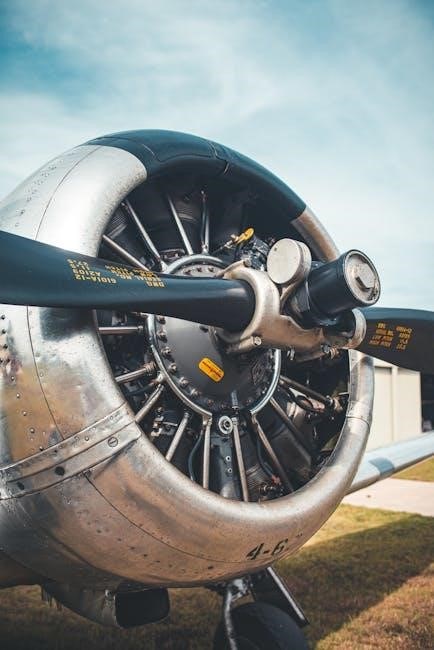
General aviation (GA) aircraft encompass a broad spectrum of planes used for non-commercial purposes – personal transport, flight training, recreational flying, and business travel. This category excludes scheduled airlines and military operations. GA aircraft are incredibly diverse, ranging from simple, single-engine piston planes to sophisticated turboprops and business jets.
They offer flexibility and access to smaller airports, making them ideal for regional travel. Piper Warriors are popular training aircraft, while more advanced models cater to specific needs. GA plays a crucial role in connecting communities and supporting various industries. These aircraft represent freedom and accessibility in aviation.
Single-Engine Piston Aircraft
Single-engine piston aircraft represent the most common type within general aviation, prized for their affordability and operational simplicity. Powered by reciprocating engines driving a propeller, these aircraft are ideal for flight training, personal transportation, and short-to-medium range travel. Popular models include the Cessna 172 Skyhawk and Piper Cherokee, known for their reliability and ease of handling.
While offering a recreational experience, pilots must exercise caution, as exceeding operational limits can have serious consequences. These aircraft are a gateway to aviation, providing accessible flight for many enthusiasts. They remain a cornerstone of the aviation world.
Multi-Engine Piston Aircraft
Multi-engine piston aircraft offer increased power, redundancy, and performance compared to their single-engine counterparts. Featuring two or more piston engines, they provide enhanced safety and capability for longer flights and heavier payloads. Commonly used for advanced flight training, charter operations, and business travel, examples include the Piper Seminole and Beechcraft Baron.
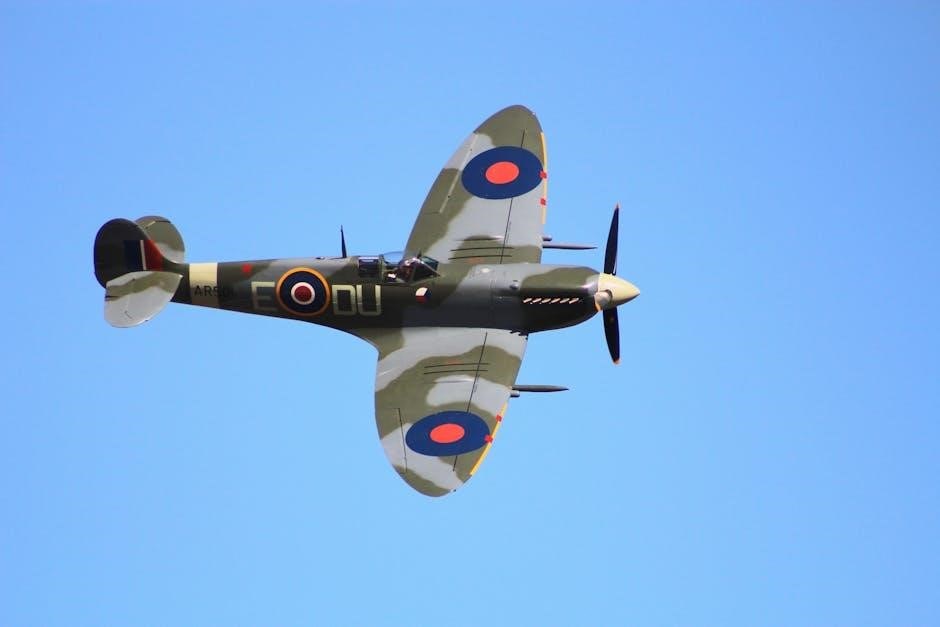
These aircraft demand a higher level of pilot proficiency due to the complexities of managing multiple engines. They represent a step up in aviation, offering greater versatility and reliability. Their robust design ensures a safer flying experience for passengers and crew alike.
Military Aircraft
Military aircraft encompass a vast range of designs tailored for national defense, combat, and logistical support. These specialized machines are broadly categorized into fighter aircraft, designed for air-to-air combat and ground attack, and transport aircraft, crucial for moving troops and equipment. Beyond these, reconnaissance, surveillance, and electronic warfare aircraft play vital roles.
Modern military aviation relies heavily on advanced technologies, including stealth capabilities, sophisticated radar systems, and precision-guided munitions. Nations worldwide invest heavily in developing and maintaining cutting-edge military aircraft to ensure air superiority and project power globally.
Fighter Aircraft
Fighter aircraft are designed primarily for air-to-air combat, establishing air superiority, and engaging ground targets. These highly maneuverable machines prioritize speed, agility, and firepower. Modern fighters incorporate advanced avionics, radar systems, and missile technology for beyond-visual-range engagements.
Generations of fighter aircraft have evolved from early biplanes to today’s sophisticated multirole platforms. Key characteristics include powerful engines, aerodynamic designs optimized for high performance, and robust defensive systems. Fighters often feature internal gun systems alongside a variety of air-to-air and air-to-ground weaponry, making them versatile assets in modern warfare.
Transport Aircraft
Transport aircraft are designed for efficiently moving personnel, cargo, and equipment. These aircraft range from smaller tactical transports used for deploying troops and supplies to large strategic airlifters capable of carrying massive payloads over intercontinental distances. Key features include large cargo doors, strengthened floors, and often, the ability to operate from relatively short or unprepared runways.
Military transport aircraft play a crucial role in logistics, humanitarian aid, and disaster relief operations. Civilian transport aircraft, often converted passenger planes, handle the bulk of global freight. Modern designs emphasize fuel efficiency and payload capacity, ensuring cost-effective and reliable transportation solutions worldwide.
Rotorcraft
Rotorcraft encompass aircraft that derive both lift and propulsion from rotating rotors. This category primarily includes helicopters and tilt-rotor aircraft, offering unique operational capabilities compared to fixed-wing airplanes. Helicopters excel in vertical takeoff and landing (VTOL), hovering, and maneuvering in confined spaces, making them invaluable for search and rescue, medical evacuation, and urban operations.
Tilt-rotor aircraft combine the vertical flexibility of helicopters with the speed and range of airplanes. These innovative designs transition between helicopter and airplane modes, offering enhanced performance for various missions. Rotorcraft are vital for diverse applications, from civilian transport to military operations, showcasing their adaptability and versatility.
Helicopters: Types and Uses
Helicopters are categorized by size, rotor configuration, and intended use. Single-rotor helicopters, the most common type, utilize a main rotor for lift and a tail rotor for anti-torque. Tandem-rotor helicopters feature two main rotors, providing increased lifting capacity and stability. Coaxial helicopters employ two counter-rotating rotors mounted on the same mast, eliminating the need for a tail rotor.
Their uses are incredibly diverse. Firefighting helicopters equipped with water buckets combat wildfires, while air ambulance helicopters provide rapid medical transport. Heavy-lift helicopters move large cargo, and law enforcement helicopters aid in surveillance and pursuit. From offshore oil rig support to VIP transport, helicopters remain indispensable.
Tilt-Rotor Aircraft
Tilt-rotor aircraft represent a fascinating hybrid, blending the vertical takeoff and landing (VTOL) capabilities of helicopters with the speed and range of fixed-wing airplanes. These unique machines utilize rotors that can tilt between a vertical position for helicopter-like operation and a horizontal position for airplane-like flight.
This versatility makes them ideal for missions requiring both hovering precision and rapid transit. Current applications include military operations – troop transport, special forces insertion, and search & rescue – but civilian uses are emerging. Experimental aircraft are pushing the boundaries of this technology, promising increased efficiency and performance. They offer a compelling future for air travel and logistics.
Unpowered Aircraft
Unpowered aircraft rely on aerodynamic principles and gravity to stay aloft, offering a unique and often serene flying experience. These aircraft lack an engine, instead utilizing rising air currents to gain altitude and sustain flight. This category encompasses a diverse range of designs, each with its own distinct characteristics and applications.
Gliders are the most common type, designed for efficient soaring and long-distance flight. Hang gliders and paragliders offer a more intimate connection with the air, providing a thrilling, unmotorized form of aviation. These aircraft are popular for recreational flying, competitions, and even scientific research, demonstrating the elegance of simple, yet effective, flight.
Gliders
Gliders represent the pinnacle of aerodynamic efficiency in unpowered flight, designed to maximize lift and minimize drag. These aircraft are launched via towing – by a powered aircraft or a winch – or by being released from a higher altitude. Once airborne, skilled pilots exploit rising air currents, such as thermals and ridge lift, to remain aloft for extended periods.
Modern gliders often feature sleek, composite construction and sophisticated instrumentation. They participate in competitive soaring, demanding precision and a deep understanding of meteorological conditions. Gliding isn’t just recreation; it’s a testament to human ingenuity and a graceful dance with the atmosphere.
Hang Gliders and Paragliders
Hang gliders and paragliders offer a uniquely intimate flying experience, relying entirely on natural lift. Hang gliders utilize a rigid, wing-shaped frame covered in fabric, requiring the pilot to be suspended beneath it in a harness. Paragliders, conversely, employ a flexible, fabric wing that inflates with air, allowing the pilot to sit comfortably within a harness.
Both are launched by foot, taking advantage of slopes or being towed. They are popular for recreational flying, offering stunning views and a sense of freedom. While seemingly simple, mastering these aircraft demands considerable skill and understanding of weather patterns, making safety paramount.
Lighter-Than-Air Vehicles
Lighter-than-air vehicles achieve flight through buoyancy, utilizing gases less dense than air – primarily helium or, historically, hydrogen. This category encompasses airships and hot air balloons, each with distinct characteristics and applications.
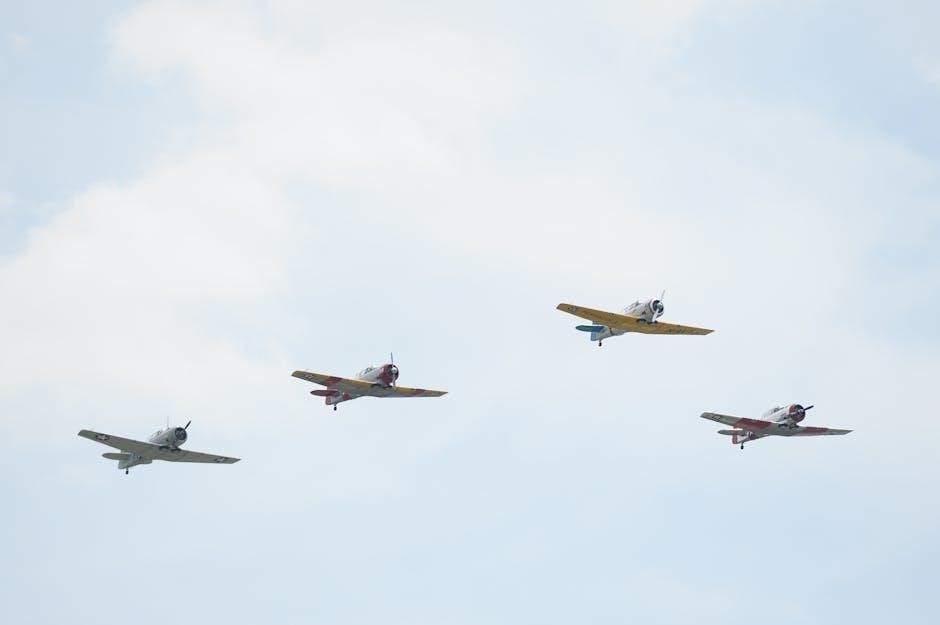
Airships are powered, steerable aircraft with a rigid or semi-rigid framework, enabling controlled flight over extended distances. They were once prominent for passenger transport but now find niche uses in advertising and surveillance. Hot air balloons, conversely, are unpowered and drift with the wind, offering recreational flights and spectacular aerial views.
Both represent a fascinating chapter in aviation history, showcasing alternative approaches to flight.
Airships
Airships, also known as dirigibles, are powered, steerable lighter-than-air aircraft. They maintain shape through an internal framework – rigid, semi-rigid, or non-rigid – filled with lifting gases like helium. Historically, hydrogen was used, but its flammability led to the adoption of safer helium.
Early 20th-century airships offered luxurious transatlantic passenger travel, exemplified by iconic vessels like the Hindenburg. Today, airships experience a resurgence in niche applications, including surveillance, advertising, and heavy-lift cargo transport. Their efficiency and environmental benefits are driving renewed interest.
Modern designs explore hybrid configurations, combining buoyancy with aerodynamic lift.
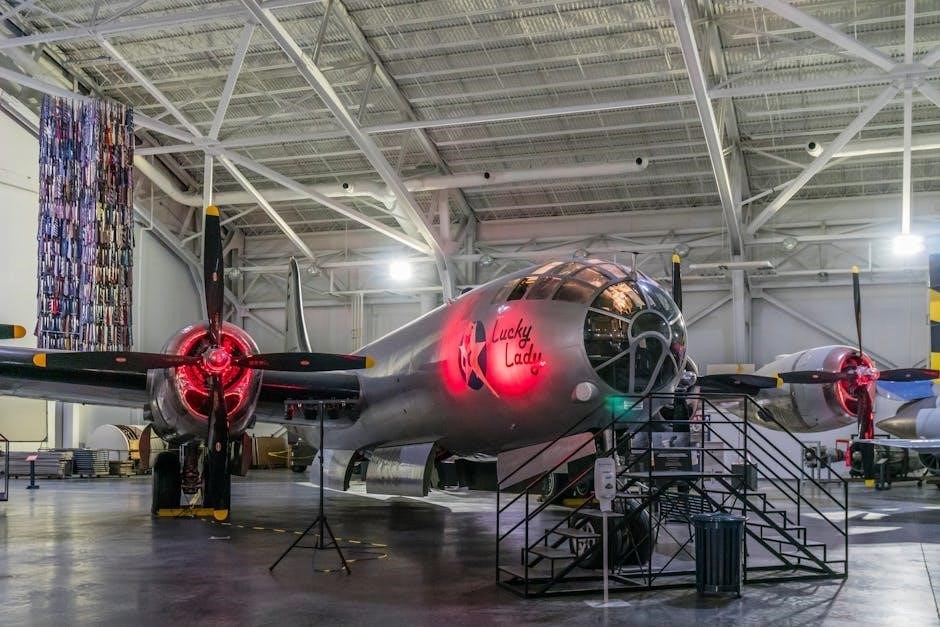
Hot Air Balloons
Hot air balloons are the simplest form of aircraft, relying on heated air for lift. A burner heats the air inside a large fabric envelope, making it less dense than the surrounding cooler air. This difference in density creates buoyancy, allowing the balloon to ascend.
Unlike airships, hot air balloons are unpowered and drift with the wind. Steering is achieved by ascending or descending to different wind layers. They are primarily used for recreational flights, offering breathtaking aerial views.
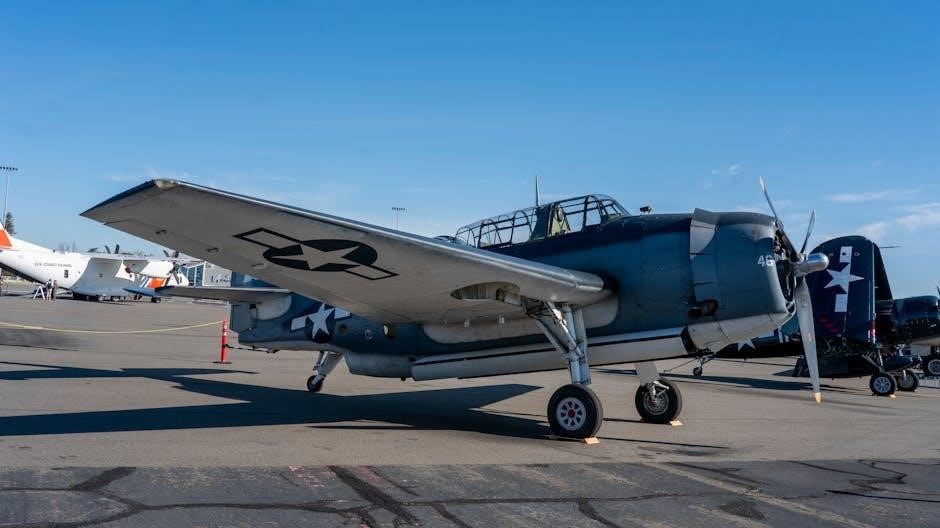
Modern balloons utilize durable fabrics like ripstop nylon or polyester, and sophisticated burner systems for controlled ascents and descents.
Seaplanes and Flying Boats
Seaplanes are uniquely designed aircraft capable of taking off and landing on water. They achieve this through two primary configurations: floatplanes and flying boats. Floatplanes utilize pontoons – floats – attached beneath the fuselage, replacing conventional landing gear. This allows operation from lakes, rivers, and oceans.
Flying boats, however, integrate the fuselage itself into a boat-like hull, providing buoyancy. This design eliminates the need for external floats. They are often larger and used for transport or specialized roles like firefighting and accessing remote areas.
Both types offer access to locations inaccessible to land-based aircraft, proving invaluable in specific operational contexts.
Floatplanes
Floatplanes represent a versatile adaptation of conventional aircraft, enabling operation from water surfaces. They distinguish themselves by employing pontoons, or floats, mounted beneath the fuselage, effectively substituting traditional landing gear. This ingenious design allows for takeoff and landing on lakes, rivers, and even open ocean environments.
The floats provide buoyancy, supporting the aircraft on the water. While offering increased operational flexibility, floatplanes typically experience reduced performance compared to their land-based counterparts due to the added drag from the floats.
They are frequently utilized in regions with limited airfield infrastructure, proving invaluable for tasks like surveying, patrol, and transport.
Flying Boats: Design and Applications
Flying boats differ from floatplanes by integrating the fuselage itself as the primary buoyant structure, resembling a boat’s hull. This design eliminates the need for external floats, streamlining the aircraft and potentially offering greater efficiency. The hull’s shape provides lift during takeoff and landing on water, distributing weight effectively.
Historically, flying boats were prominent in long-distance overwater travel before the widespread availability of land-based airports. Today, their applications are more specialized, including firefighting – scooping water directly from bodies of water – and accessing remote coastal areas.
Their unique capability makes them ideal for operations where runways are unavailable or impractical.
Turboprop Aircraft
Turboprop aircraft bridge the gap between piston-engine and jet-powered planes, utilizing a gas turbine engine to drive a propeller. This configuration offers excellent efficiency, particularly at lower altitudes and speeds, making them suitable for regional routes and shorter flights.
Unlike jet engines, turboprops excel in generating thrust at slower airspeeds, consuming less fuel during these phases of flight. They are often favored for their reliability and ability to operate from shorter runways compared to jets.
Common applications include regional airlines, cargo transport, and specialized roles requiring robust performance and operational flexibility.
Business Jets
Business jets, also known as private jets, represent the pinnacle of corporate and personal air travel, offering speed, comfort, and unparalleled flexibility. These aircraft are designed for efficient long-distance travel, connecting executives and individuals directly to their desired destinations, bypassing the constraints of commercial airline schedules.
They typically accommodate between six and eighteen passengers, featuring luxurious interiors and advanced avionics. Business jets prioritize convenience, allowing access to smaller airports and offering customized travel experiences.
Popular models range from light jets for short hops to ultra-long-range jets capable of intercontinental flights.
Aircraft Identification and Types
Aircraft identification relies on unique tail numbers, designating each specific physical aircraft, while aircraft types categorize them based on design and function. Understanding these distinctions is crucial for aviation professionals and enthusiasts alike.
Categorization encompasses a broad spectrum, including commercial airliners, general aviation aircraft, military aircraft, rotorcraft, and unpowered aircraft. Each type possesses unique characteristics tailored to its intended purpose.
Furthermore, aircraft are classified by engine type – piston, turboprop, or jet – and by operational capabilities, such as floatplanes designed for water landings. Accurate identification and categorization are fundamental to air traffic control and maintenance procedures.
Aeroflot Group Fleet Composition
Aeroflot Group currently operates a substantial fleet of 357 aircraft, demonstrating its position as a major global airline. This fleet is strategically diversified to serve a wide range of routes and passenger demands.
The composition includes 61 wide-body aircraft, providing capacity for long-haul international flights. Complementing these are 218 narrow-body medium-range aircraft, ideal for domestic and regional travel. A significant portion, 78 Superjet 100 aircraft, caters to domestic regional routes.
This diverse fleet allows Aeroflot to maintain operational flexibility and adapt to evolving market conditions, ensuring efficient service across its extensive network. Continuous modernization and strategic acquisitions contribute to the fleet’s ongoing development.
Experimental Aircraft Development
Experimental aircraft development represents the cutting edge of aviation innovation, pushing the boundaries of what’s possible in flight. This field often involves unique designs, like tilt-rotor aircraft, blending fixed-wing and rotary-wing characteristics for versatile performance.
Initially, small-scale projects for experimental work rapidly evolved into larger-scale manufacturing of diverse aircraft types and engines. These projects explore novel technologies, materials, and aerodynamic concepts, paving the way for future advancements.
Developers rigorously test these aircraft, gathering crucial data for refinement and certification. This iterative process is vital for ensuring safety and reliability before introducing new technologies into mainstream aviation.
Aircraft Stability and Control Considerations
Aircraft stability and control are paramount for safe and efficient flight. These considerations encompass how an aircraft responds to disturbances and pilot inputs, ensuring predictable and manageable behavior throughout its flight envelope.
Factors like wing design, tail configuration, and control surface effectiveness significantly influence stability. Pilots must understand these principles to maintain control, especially during maneuvers or adverse weather conditions. Even in simulators, realistic flight models account for these dynamics.
Proper control input is crucial; exceeding limits, even in virtual environments, can lead to undesirable outcomes. Maintaining stability is fundamental to all aircraft operations.
Future Trends in Aircraft Technology
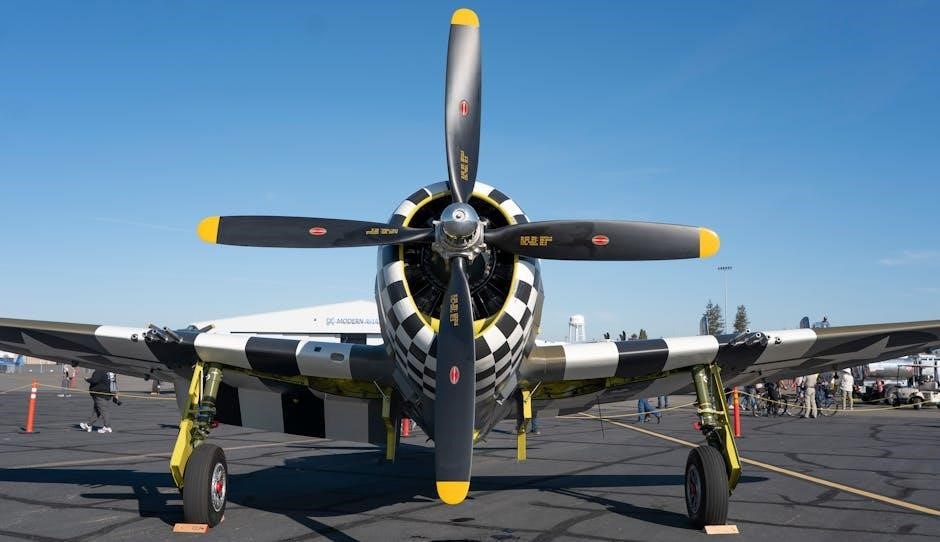
The future of aircraft technology is focused on efficiency, sustainability, and enhanced performance. Developments include blended wing body designs, aiming to reduce drag and increase fuel efficiency, and advancements in electric and hybrid-electric propulsion systems.
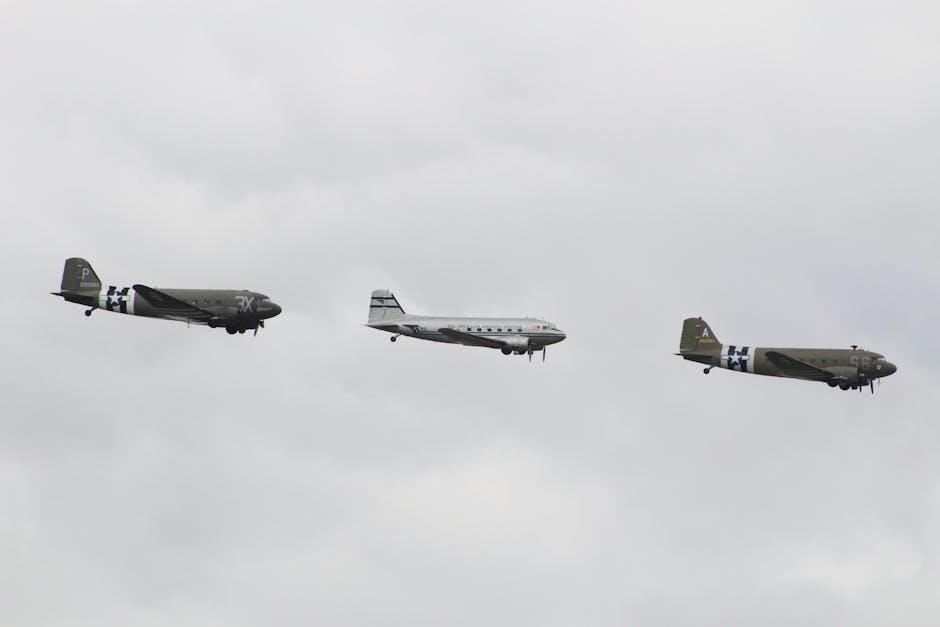
Tilt-rotor aircraft, combining fixed-wing speed with helicopter-like vertical takeoff and landing capabilities, are also gaining traction. Furthermore, research into advanced materials, like composites, promises lighter and stronger airframes.
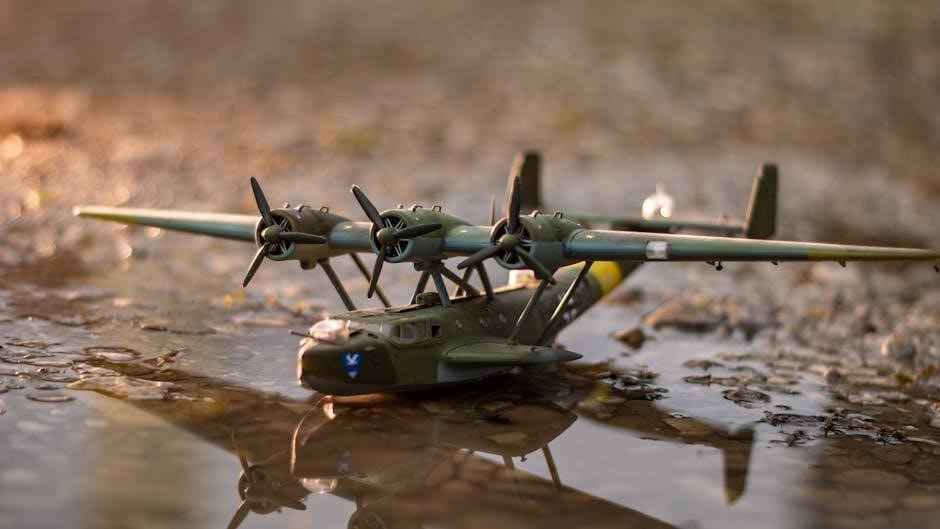
Unmanned Aerial Systems (UAS) will continue to evolve, with increasing autonomy and broader applications. These innovations will reshape air travel and aviation as a whole.
Safety Regulations and Aircraft Maintenance
Aircraft safety relies heavily on stringent regulations and meticulous maintenance procedures. Organizations like the FAA and EASA establish standards for design, manufacturing, and operation, ensuring airworthiness. Regular inspections, adhering to strict schedules, are crucial for identifying and addressing potential issues.
Maintenance encompasses everything from routine checks to major overhauls, utilizing qualified technicians and approved parts. Detailed record-keeping is essential for tracking an aircraft’s history and ensuring compliance.
Continuous improvements in safety technology, alongside rigorous training for flight crews, contribute to aviation’s remarkable safety record.
The Role of Aircraft in Modern Society
Aircraft profoundly shape modern society, facilitating global connectivity and economic growth. Commercial aviation enables rapid transportation of people and goods, fostering tourism and international trade. Military aircraft play a vital role in national security, providing defense capabilities and humanitarian aid.
Beyond transport, aircraft are essential for emergency services like search and rescue, firefighting, and medical evacuations. Agricultural applications include crop dusting and monitoring. Scientific research benefits from aerial observation and data collection.
The aviation industry itself generates significant employment and drives technological innovation, continually pushing the boundaries of engineering and materials science.