
Fuji Guides: A Comprehensive Overview (Updated February 16, 2026)
Mount Fuji’s increasing popularity, fueled by UNESCO recognition and records like Kokichi Akuzawa’s summit at 102, necessitates reliable guidance for a safe ascent.
Mount Fuji, Japan’s iconic and highest peak, draws adventurers globally, yet its allure demands respect and preparation. Climbing Mount Fuji isn’t merely a hike; it’s a challenging ascent requiring physical fitness and an understanding of potential altitude-related risks. Consequently, guided tours have become increasingly vital, offering expertise and safety nets for climbers of all levels.
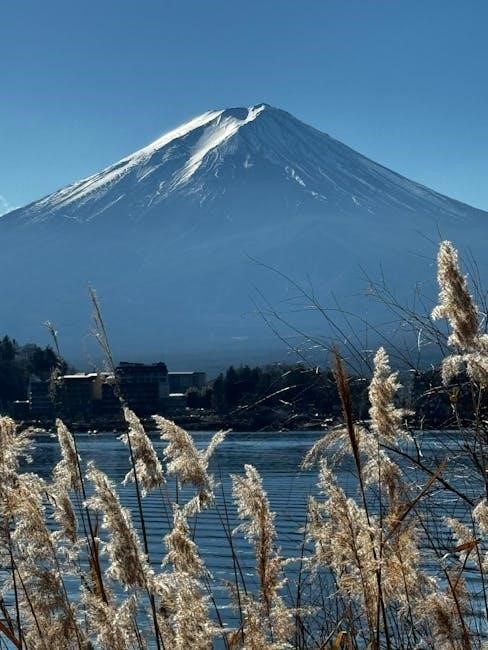
The recent surge in tourism following UNESCO World Heritage recognition has amplified the need for knowledgeable Fuji guides. These professionals provide invaluable assistance, from route selection and pacing to emergency preparedness and cultural insights. Whether you’re a seasoned mountaineer or a first-time climber, a guide enhances the experience and mitigates potential dangers. Furthermore, the story of Kokichi Akuzawa, the oldest person to summit at 102, highlights the importance of support during such a demanding endeavor.
The Historical Significance of Fuji Guides
For centuries, Mount Fuji has held a sacred place in Japanese culture, attracting pilgrims and travelers alike. Historically, individuals known as “oshi” assisted climbers, evolving into the modern role of Fuji guides. These early guides weren’t simply pathfinders; they were spiritual companions, offering support and ensuring respectful ascent of the revered mountain.
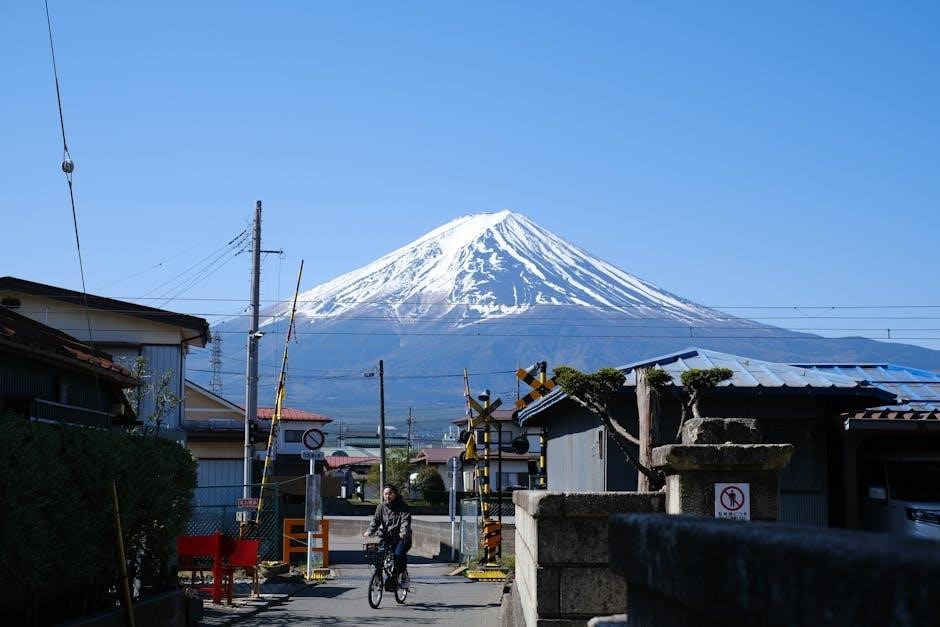
The tradition reflects a deep-rooted cultural understanding of Fuji’s power and the need for experienced assistance. As tourism increased, particularly with Western interest, the guiding profession became more formalized. Today’s guides build upon this legacy, blending traditional knowledge with modern safety protocols. The recent attention garnered by climbers like Kokichi Akuzawa underscores the enduring need for skilled guidance, ensuring safe passage for all, regardless of age or experience, while respecting the mountain’s heritage.
Types of Fuji Guides Available
Several types of Fuji guides cater to diverse climber needs and preferences. Certified Mountain Guides possess nationally recognized qualifications, ensuring expertise in safety, navigation, and emergency response – crucial for challenging conditions. Volunteer Guides, often local experts, offer valuable insights into the mountain’s history, flora, and fauna, providing a more culturally immersive experience.
Furthermore, Language-Specific Guides bridge communication gaps for international climbers, enhancing safety and enjoyment. These guides provide translations and cultural context, vital for understanding instructions and local customs. The increasing influx of tourists, following UNESCO recognition, has driven demand for multilingual support. Choosing the right guide depends on individual requirements, ranging from technical expertise to cultural immersion and linguistic accessibility.
Certified Mountain Guides
Certified Mountain Guides represent the highest standard of professional expertise on Mount Fuji. These individuals undergo rigorous training and assessment, covering advanced mountaineering techniques, wilderness first aid, and comprehensive knowledge of the mountain’s terrain and weather patterns. Their qualifications are nationally recognized, assuring climbers of a safe and well-managed ascent.
They are equipped to handle emergencies, navigate challenging conditions, and provide informed guidance throughout the climb. Choosing a certified guide is particularly recommended for inexperienced climbers or those attempting Mount Fuji during peak seasons when trails are crowded. Their expertise minimizes risks and maximizes the chances of a successful and enjoyable summit, especially given the increasing tourism spurred by UNESCO recognition.

Volunteer Guides (Local Experts)
Volunteer Guides, often deeply rooted in the communities surrounding Mount Fuji, offer a unique and valuable perspective to climbers. While not formally certified in the same manner as professional guides, these local experts possess an intimate understanding of the mountain’s history, folklore, and subtle environmental cues. They frequently share insights unavailable from standard guidebooks, enriching the overall climbing experience.

These guides are motivated by a passion for their region and a desire to share its beauty responsibly. They often provide guidance on local customs, flora, and fauna, fostering a deeper connection with the landscape. While their services are typically offered without charge, a small donation is often appreciated. Relying on volunteer guides can be a rewarding way to support local communities and gain authentic insights during your Mount Fuji adventure.
Language-Specific Guides
Mount Fuji attracts a diverse international clientele, creating a significant demand for Language-Specific Guides. These guides cater to climbers who are more comfortable receiving instructions and communicating in their native tongue, enhancing both safety and enjoyment. Available languages commonly include English, Chinese, Korean, and various European languages, though availability can fluctuate based on seasonal demand.
Choosing a guide proficient in your language minimizes potential misunderstandings regarding crucial safety information, trail conditions, and emergency procedures. This is particularly important given the challenging nature of the climb and the potential for altitude sickness. Language-specific guides often possess cultural sensitivity, facilitating smoother interactions with local communities and a more immersive experience. Booking in advance is highly recommended, especially during peak climbing seasons, to secure a guide who meets your linguistic needs.
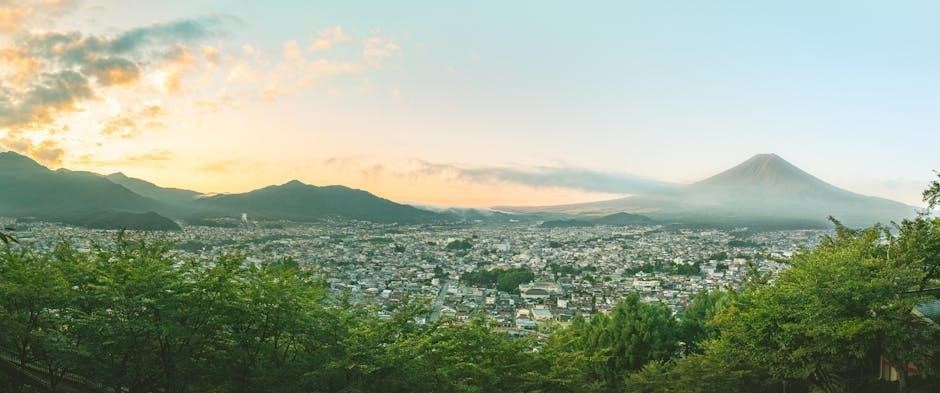
Choosing the Right Fuji Guide for Your Needs
Selecting the ideal Fuji guide is paramount for a successful and safe climb. Begin by honestly assessing your fitness level; are you a seasoned hiker or a beginner? Guides offer varying levels of support, from basic route assistance to comprehensive pacing and encouragement. Next, define your hiking experience expectations – do you prefer a fast-paced ascent or a more leisurely exploration?
Budget considerations are also crucial. Guide services range in price depending on experience, language skills, and included amenities. Remember to factor in potential costs for transportation, accommodation, and gear rentals. Prioritize guides with proper certifications and a proven safety record. Reading reviews and comparing offerings from different providers will help you find a guide who aligns with your individual needs and preferences, ensuring a memorable Mount Fuji experience.
Assessing Your Fitness Level
Mount Fuji’s altitude and challenging terrain demand a realistic evaluation of your physical capabilities. Consider your recent activity levels – have you engaged in regular cardiovascular exercise and strength training? The climb involves sustained uphill hiking for several hours, often over rocky and uneven surfaces.
Be honest about any pre-existing medical conditions and consult your doctor before attempting the ascent. If you’re new to hiking, begin with shorter, less strenuous trails to build endurance. A guide can significantly assist those with limited experience, providing pacing and encouragement. Ignoring your fitness limitations can lead to altitude sickness or exhaustion, jeopardizing your safety and enjoyment. Proper preparation is key to a successful and rewarding climb.
Defining Your Hiking Experience
Before selecting a Fuji guide, clearly define your desired hiking experience. Are you seeking a fast-paced summit push, or a more leisurely exploration of the mountain’s surroundings? Do you prefer a solitary climb, or a group dynamic with fellow hikers? Consider your interest in photography, wildlife observation, or learning about the mountain’s cultural significance.
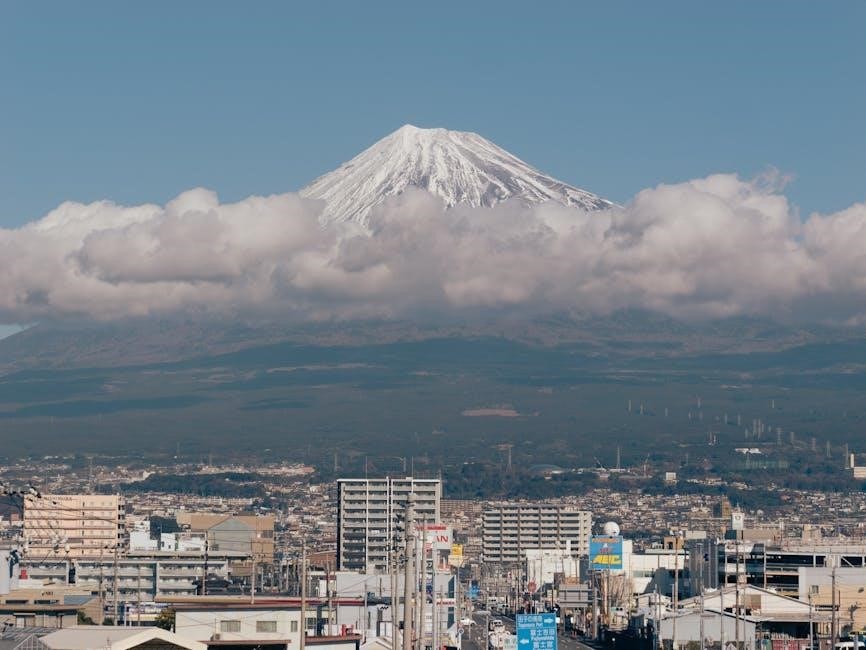
Some guides specialize in specific interests, offering tailored itineraries. New hiking experiences in Shizuoka Prefecture emphasize landscape exploration, indicating a shift towards immersive journeys. Communicating your preferences to your guide ensures a personalized and fulfilling adventure. A well-defined experience enhances enjoyment and allows you to fully appreciate the majesty of Mount Fuji.
Budget Considerations for Guide Services
Fuji guide services vary significantly in price, influenced by factors like guide certification, language skills, and the duration of the climb. Certified mountain guides generally command higher fees due to their extensive training and expertise. Volunteer guides, often local experts, may offer more affordable options, though their availability can be limited.
Language-specific guides, catering to international climbers, also tend to be pricier. Beyond the guide fee, factor in costs for transportation to and from the mountain, accommodation (if required), meals, and necessary climbing gear. Remember to inquire about potential additional expenses, such as hut reservations or emergency evacuation insurance. Careful budgeting ensures a financially comfortable and stress-free climbing experience.
Mount Fuji Climbing Seasons and Guide Availability
Mount Fuji’s official climbing season typically runs from early July to mid-September, coinciding with more favorable weather conditions. During this period, the availability of Fuji guides is at its peak, with numerous certified and volunteer guides offering their services. However, demand is also highest, so booking in advance is crucial, especially for language-specific guides.
Outside the official season, climbing is possible but significantly more challenging and dangerous due to snow, ice, and unpredictable weather. Guide availability is drastically reduced, and only highly experienced guides with specialized equipment will operate. Climbing during the off-season requires advanced mountaineering skills and is not recommended for novice climbers. Always prioritize safety and check current conditions before attempting a climb.
Popular Climbing Routes and Guide Expertise
Yoshida Trail guides are the most prevalent, catering to a wide range of experience levels due to its relatively gentle slope and numerous mountain huts. They excel in managing large groups and providing logistical support. Subashiri Trail guides often possess strong botanical knowledge, highlighting the diverse flora along the route, and are adept at navigating forested sections.
Gotemba Trail guides are typically reserved for experienced hikers, as this route is the longest and steepest. Their expertise lies in advanced navigation, route-finding, and managing challenging terrain. Regardless of the trail, a skilled Fuji guide will assess weather conditions, monitor climber health, and provide essential safety briefings. Choosing a guide familiar with your chosen route is paramount for a successful and safe climb.
Yoshida Trail Guides
Yoshida Trail guides are renowned for their accessibility and experience handling diverse climber abilities, making them the most sought-after option. They expertly manage the trail’s popularity, navigating crowded conditions, particularly during peak season. These guides are proficient in providing logistical support, including assistance with mountain hut reservations and pacing strategies.
Their knowledge extends to recognizing and addressing altitude sickness symptoms, offering crucial first aid if needed. Yoshida Trail guides frequently offer language support, catering to international climbers. They also provide valuable insights into the trail’s history and surrounding volcanic landscape, enhancing the overall climbing experience. Expect a structured, well-supported ascent with a Yoshida Trail guide.
Subashiri Trail Guides
Subashiri Trail guides cater to climbers seeking a slightly less crowded, forested path up Mount Fuji. This trail offers a unique experience, beginning amidst lush greenery before transitioning to volcanic landscapes. Guides specializing in Subashiri are adept at navigating the trail’s varied terrain and understanding its distinct microclimate.
They often possess extensive botanical knowledge, enriching the hike with insights into the local flora. Subashiri Trail guides are skilled in assessing climber fatigue, as the initial forested section can be deceptively challenging. Expect a more tranquil, nature-focused ascent with a focus on gradual acclimatization. They provide essential support, ensuring a safe and enjoyable journey up the mountain, offering a different perspective than the busier Yoshida Trail.
Gotemba Trail Guides
Gotemba Trail guides are essential for those attempting Mount Fuji’s longest and most challenging route. This trail is known for its steep ascent, primarily consisting of volcanic ash and requiring significant endurance. Guides specializing in Gotemba possess exceptional navigational skills and a deep understanding of altitude sickness prevention.
They are highly experienced in managing climber fatigue and providing crucial support during the demanding climb. Expect a physically strenuous experience, with guides emphasizing pacing and hydration. Gotemba Trail guides often carry extra supplies and are prepared for rapidly changing weather conditions. Choosing a guide for this route is paramount for safety, as it’s less frequented and requires robust physical preparation and expert leadership for a successful summit.
The Role of Guides in Ensuring Safety on Mount Fuji
Fuji guides play a critical role in mitigating risks associated with climbing Mount Fuji, especially considering the increasing number of tourists following UNESCO recognition; They expertly assess weather conditions, monitor climbers for altitude sickness – a significant concern at high elevations – and provide essential first aid if needed.
Experienced guides possess in-depth knowledge of the mountain’s terrain, potential hazards like falling rocks, and optimal routes. They enforce safe climbing practices, manage pacing to prevent exhaustion, and assist with navigation, particularly during nighttime ascents or in poor visibility. Guides like those assisting Kokichi Akuzawa demonstrate commitment to supporting climbers of all abilities, ensuring a safer and more rewarding experience for everyone attempting the summit.
Recent News & Records Related to Mount Fuji
February 16, 2026 marks a period of heightened interest in Mount Fuji, spurred by increased tourism following its UNESCO World Heritage status. Recent news highlights the remarkable achievement of Kokichi Akuzawa, officially recognized by Guinness World Records as the oldest person to summit at 102 years old.
This feat underscores the mountain’s enduring appeal and the importance of experienced support during challenging climbs. Simultaneously, the Shizuoka Prefectural Government has implemented a new hiker registration system, aiming to better manage visitor flow and enhance safety measures. Emerging trends include new hiking experiences in Shizuoka, alongside a growing demand for knowledgeable guides capable of catering to diverse skill levels and ensuring a secure ascent for all adventurers.
Kokichi Akuzawa: Oldest Person to Summit
Kokichi Akuzawa’s incredible ascent of Mount Fuji at the age of 102, officially recognized by Guinness World Records in early August, is a testament to human endurance and the vital role of support during challenging climbs. Reports indicate he nearly abandoned the trek, highlighting the physical demands even for seasoned adventurers.
This achievement underscores the necessity of experienced Fuji guides, capable of assessing individual fitness levels and providing crucial assistance. Akuzawa’s story emphasizes that even with immense determination, a guide’s expertise in pacing, hydration, and recognizing altitude sickness symptoms can be invaluable. His success serves as an inspiring example, but also a reminder that preparation and professional guidance are paramount for a safe and fulfilling summit experience.
Increased Tourism Following UNESCO Recognition
Mount Fuji’s recent inclusion on the UNESCO World Heritage list has triggered a significant surge in international tourism, placing increased demand on available resources and, crucially, qualified Fuji guides. Hundreds of hikers now regularly attempt the climb, necessitating a greater number of experienced professionals to ensure safety and manage trail congestion.
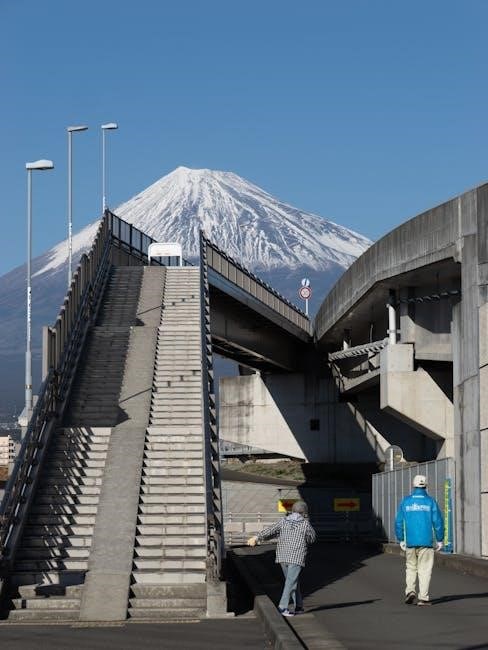
This influx of visitors highlights the importance of choosing reputable guide services. Guides not only provide navigational expertise but also offer essential information regarding trail conditions, weather patterns, and emergency procedures. The increased foot traffic also emphasizes the need for guides proficient in multiple languages to cater to a diverse international clientele, enhancing the overall climbing experience for everyone involved.
Emerging Trends in Fuji Guiding & Hiking Experiences
Fuji guiding is evolving beyond traditional ascent support, with new experiences catering to diverse preferences. Shizuoka Prefecture’s launch of a hiker registration system, alongside three new hiking experiences exploring the region’s landscapes, demonstrates this shift. We’re seeing a move towards more immersive cultural experiences integrated with the climb, focusing on the mountain’s spiritual significance.
Furthermore, the story of Passang Lama Bhotia, a Sherpa inspired by Mount Fuji, hints at a growing exchange of mountaineering expertise. Expect to see guides incorporating advanced techniques and safety protocols borrowed from other renowned climbing destinations. Personalized itineraries, small group sizes, and a focus on sustainable tourism practices are also gaining traction, offering a more bespoke and responsible approach to conquering Japan’s iconic peak.