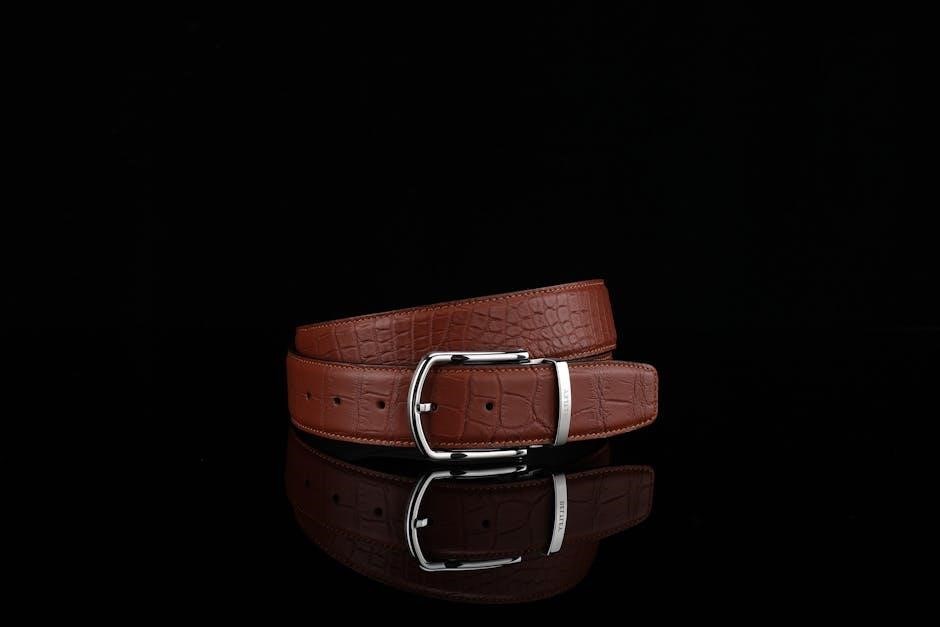
Understanding Men’s Belt Sizes: A Comprehensive Guide
Navigating men’s belt sizing can be tricky, but understanding the basics ensures a perfect fit. This guide simplifies the process, covering measurements,
charts, and brand variations.
Accurate sizing prevents discomfort and enhances your overall appearance. We’ll explore how to measure correctly and interpret different sizing systems.
Properly fitted belts are essential for both style and functionality, offering support and completing your outfit with confidence and ease.
What Determines Your Belt Size?
Determining your ideal belt size isn’t solely about your pant waist measurement; several factors contribute to the perfect fit. Primarily, your natural waist – the narrowest part of your torso – differs from where your pants sit. Most men wear trousers below their natural waist, meaning the belt size needed is larger than a direct waist measurement.
Belt sizing typically corresponds to your pant size, but it’s not a one-to-one correlation. Variations exist due to how different brands manufacture their belts and pants. Stretch in the belt material, particularly in leather, also plays a role. A belt should comfortably encircle your waist without being overly tight or loose.
Consider the buckle’s width and style, as larger buckles can slightly affect the overall fit. Ultimately, a precise measurement and understanding of these nuances are crucial for selecting a belt that provides both comfort and a polished look. Always prioritize a comfortable, secure fit over simply matching your pant size.
Waist vs. Belt Size: The Key Difference
A common mistake is assuming your waist and belt sizes are identical. Your waist measurement is taken around your natural waistline, typically above your belly button. However, most men wear their belts lower, around their hips or the top of their trousers. This means the circumference you’re measuring for a belt is larger than your actual waist.
Belt sizes are generally based on the pant waist size you wear, not your anatomical waist. Therefore, if you wear 34-inch waist pants, you’ll likely need a 36 or 38-inch belt, allowing for comfortable movement and proper fit. It’s crucial to add 2-4 inches to your pant size when selecting a belt.
Understanding this distinction prevents purchasing a belt that’s too small. Always measure where you intend to wear the belt, not just your waist, to ensure a comfortable and secure fit. This simple adjustment guarantees a better experience and avoids the frustration of an ill-fitting accessory.
Standard Belt Size Chart (Inches)
Here’s a general guide to standard men’s belt sizes in inches. Keep in mind these are approximate, and variations exist between brands. Always consult the specific brand’s size chart when available for the most accurate fit.
| Pant Waist (Inches) | Belt Size (Inches) |
|---|---|
| 28-29 | 30-32 |
| 30-31 | 32-34 |
| 32-33 | 34-36 |
| 34-35 | 36-38 |
| 36-37 | 38-40 |
| 38-39 | 40-42 |
| 40-41 | 42-44 |
This chart provides a starting point. If you fall between sizes, it’s generally recommended to size up for a more comfortable fit. Remember to consider the buckle style, as larger buckles may require a slightly larger belt size.
Standard Belt Size Chart (Centimeters)
For those accustomed to metric measurements, here’s a standard men’s belt size chart in centimeters. As with inches, these are general guidelines, and brand-specific sizing can differ. Always prioritize checking the manufacturer’s chart for precision.
| Pant Waist (Centimeters) | Belt Size (Centimeters) |
|---|---|
| 71-74 | 76-81 |
| 76-79 | 81-86 |
| 81-84 | 86-91 |
| 86-89 | 91-96 |
| 91-94 | 96-101 |
| 96-99 | 101-106 |
| 101-104 | 106-111 |
This table offers a convenient conversion. When unsure, opting for a slightly larger size is advisable for comfort. Consider buckle size, as bulkier buckles might necessitate a larger belt circumference for a balanced fit.
Measuring for Your Perfect Fit
Achieving the ideal belt fit requires accurate measurements. This section details how to measure your waist correctly, utilize existing belts, and account for brand variations.
How to Accurately Measure Your Waist
Precise waist measurement is fundamental to finding your correct belt size. Begin by standing naturally and relaxing your abdomen – avoid sucking in your stomach or flexing. Use a flexible measuring tape, not a metal one, for optimal accuracy.
Wrap the tape around your natural waistline, which is typically located about an inch above your belly button. Ensure the tape is snug but not overly tight; it should lie flat against your skin without compressing it.
Record the measurement in inches or centimeters, depending on your preference and the sizing charts available. It’s helpful to have someone assist you to ensure the tape remains level and provides an accurate reading. Double-check your measurement to confirm its consistency. Remember to measure over clothing similar to what you’d wear with the belt.
For the most accurate result, measure multiple times and average the readings. This minimizes potential errors and provides a more reliable waist circumference.
Using an Existing Belt to Determine Your Size
If you have a well-fitting belt, it can serve as a reliable guide for determining your size. Lay the belt flat on a surface and measure from the point where the buckle attaches to the belt, to the hole you most frequently use.
Do not include the buckle in your measurement; focus solely on the length of the belt material. This measurement represents your approximate waist size. It’s a convenient method if you don’t have a measuring tape readily available.
However, be mindful that belt sizing can vary between brands, so this method provides a good starting point but isn’t foolproof. Add a few inches to this measurement if you prefer a looser fit or anticipate fluctuations in your waist size.
Consider the belt’s material; leather may stretch over time, while fabric belts maintain their shape more consistently. This impacts the accuracy of using an existing belt for sizing.
Understanding Belt Sizing Variations Between Brands
Belt sizing isn’t standardized across all manufacturers, meaning a size 34 in one brand might fit differently in another. This inconsistency stems from variations in how brands measure belts and their interpretations of waist-to-belt size ratios.
Luxury brands, fast fashion retailers, and specialized belt makers often employ different sizing systems. Always consult the specific brand’s size chart whenever possible, found on their website or product packaging.
European brands may use centimeters, while American brands typically use inches, requiring conversion for accurate comparison. Pay attention to whether the size refers to the belt length or the intended waist size.
Reading customer reviews can offer insights into a brand’s sizing tendencies. Some brands run small, while others run large, and this feedback can help you make a more informed decision.
Decoding Belt Size Numbers
Belt sizes are typically represented numerically, corresponding to waist measurements in inches. Understanding these numbers, alongside letter sizing, is crucial for a comfortable and stylish fit.
Numeric Belt Sizes Explained
Numeric belt sizes represent the measurement in inches of the belt itself, not your waist. This can be initially confusing, as it’s not a direct correlation to your pant size. Generally, you’ll add 2-4 inches to your waist measurement to determine your appropriate belt size. For example, a 34-inch waist typically requires a 36- or 38-inch belt.
However, this is a guideline, and variations exist. Some brands size their belts closer to the actual waist measurement, while others add more length. It’s always best to consult the specific brand’s size chart when available. A belt that’s too large will sag, while one that’s too small will be uncomfortable and potentially damage the leather over time.
Consider the number of belt holes; ensure there are enough to comfortably adjust the fit. A good rule of thumb is to have at least one or two holes unused after buckling. This allows for fluctuations in weight or clothing layers. Paying attention to these details ensures a secure and stylish fit.
Letter Sizing (S, M, L, XL) – What Do They Mean?
Letter sizing (S, M, L, XL) for belts is less standardized than numeric sizing, varying significantly between brands and retailers. These sizes are approximations and should be used cautiously. Generally, ‘S’ corresponds to a 28-30 inch waist, ‘M’ to 32-34 inches, ‘L’ to 36-38 inches, and ‘XL’ to 40-42 inches.
However, these ranges are not universal. Always refer to the specific brand’s size chart for accurate measurements. Letter sizing is often found in more casual belt styles, like fabric or woven belts, where a precise fit isn’t as critical.
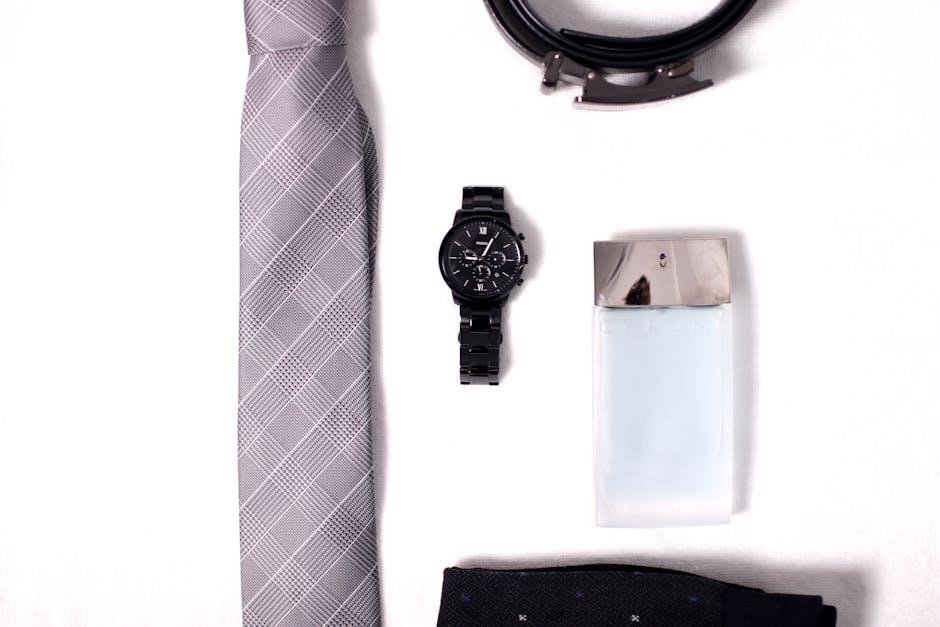
For a more reliable fit, prioritize numeric sizing whenever possible. If only letter sizing is available, compare the brand’s size chart to your actual waist measurement. Don’t assume a consistent fit across different brands; always double-check before purchasing to avoid disappointment.
Belt Width and Its Impact on Size
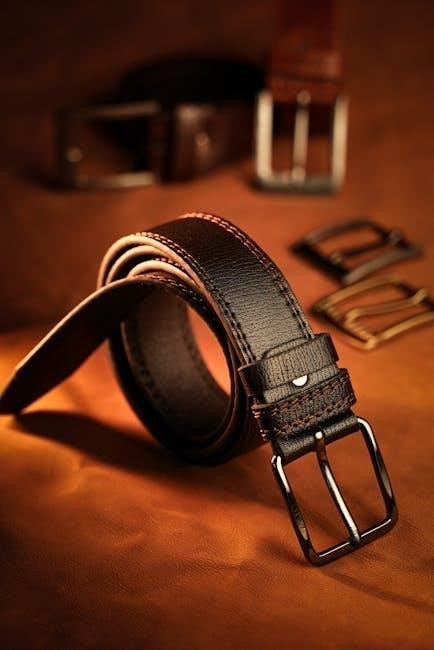
Belt width significantly impacts how a belt fits and complements your outfit. Standard belt widths range from 1.25 to 1.5 inches, suitable for most casual and everyday wear. Wider belts, around 1.75 inches, make a bolder statement and pair well with jeans or more rugged attire. Narrower belts, typically under 1.25 inches, are often seen with dress pants or more refined looks.
Width doesn’t directly change your belt size (waist measurement), but it affects how the buckle sits and the overall proportion. A wider belt might feel tighter initially due to its bulk, but the waist measurement remains the same.
Consider your pant’s belt loops when choosing width; the belt should fit comfortably without excessive overhang. Matching belt width to the formality of your outfit is key – wider for casual, narrower for formal.
Types of Belts and Their Sizing Considerations
Different belt materials—leather, fabric, and more—impact sizing due to stretch and flexibility. Understanding these nuances ensures a comfortable and secure fit for every style.
Leather Belts: Sizing and Stretch
Leather belts, renowned for their durability and classic appeal, require careful sizing consideration due to their natural stretching properties. Unlike some materials, leather molds to the wearer’s waist over time, potentially becoming slightly looser.
When purchasing a leather belt, it’s generally recommended to order one size up from your actual waist measurement. This accounts for the initial tightness and allows for comfortable wear as the leather breaks in and conforms to your body.
Full-grain leather tends to stretch more than top-grain or bonded leather, so factor this into your decision. Higher-quality leather will offer a more refined fit and longer lifespan, but may require more initial adjustment. Always check the brand’s specific sizing guide, as variations exist.
Consider the buckle type as well; some buckles are more easily adjustable than others, offering greater flexibility in achieving the perfect fit. Regularly inspect your leather belt for signs of wear and tear, and condition it periodically to maintain its shape and prevent excessive drying.
Fabric Belts: Sizing and Flexibility
Fabric belts, often crafted from materials like nylon, cotton, or elastic, offer a different sizing approach compared to leather. These belts generally exhibit greater flexibility and less stretching, impacting how you determine the correct fit.
Unlike leather, it’s typically advisable to choose a fabric belt that closely matches your actual waist measurement, or even slightly smaller, depending on the desired level of compression. Elasticized fabric belts, in particular, can stretch significantly, so avoid oversizing.
Pay close attention to the buckle and closure mechanism, as these can influence the overall fit and adjustability. Many fabric belts feature adjustable buckles or stretch panels for a customized feel.
Fabric belts are ideal for casual wear and situations where comfort is paramount. They often come in a wider range of colors and patterns, allowing for greater stylistic expression. Always refer to the manufacturer’s sizing chart, as fabric composition and construction can vary widely.
Casual vs. Formal Belts: Sizing Nuances
The intended use of a belt – casual or formal – can subtly influence sizing considerations. Formal belts, typically leather and worn with dress pants, demand a precise fit to maintain a polished appearance. A snug, but comfortable, fit is crucial, avoiding any looseness that could disrupt the clean lines of a suit.
Casual belts offer more leeway in terms of fit. Fabric or more relaxed leather styles can be worn slightly looser without compromising the overall aesthetic. However, excessive looseness should still be avoided for safety and comfort.
Belt width also plays a role; wider belts are generally more suited for casual outfits, while narrower belts complement formal attire. Always consider the belt loops on your pants, ensuring compatibility in width.
Prioritize a secure fit that doesn’t require constant readjustment, regardless of the belt’s formality. A well-fitted belt enhances your style and provides lasting comfort throughout the day.
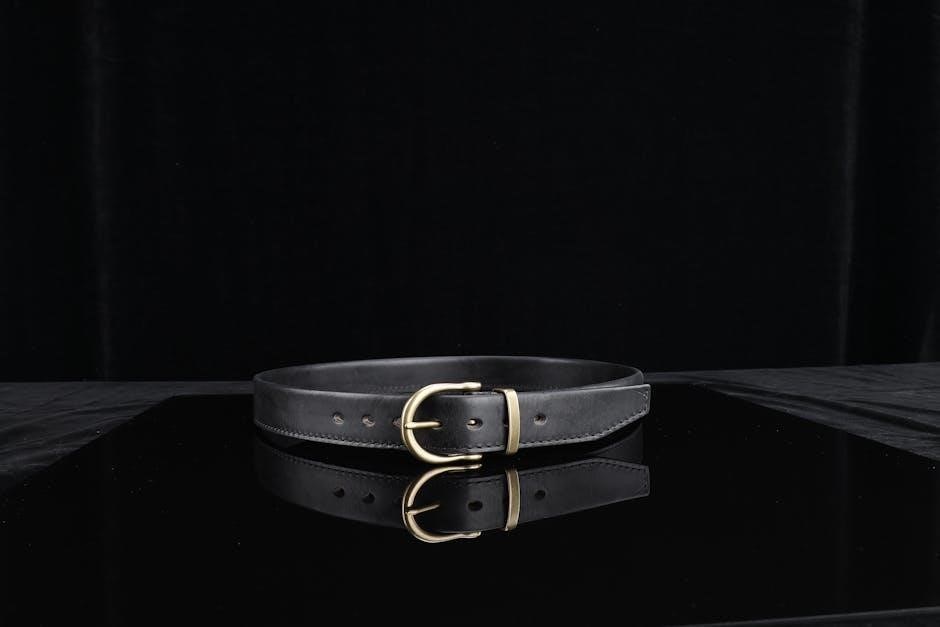
Troubleshooting Common Belt Size Issues
Finding the right belt size isn’t always straightforward. This section addresses common problems like belts that are too tight or loose, and inconsistent sizing.
We’ll provide practical solutions to ensure a comfortable and secure fit, maximizing your style and confidence.
Belt Too Tight: What to Do
Experiencing a belt that feels uncomfortably snug is a common issue, often stemming from inaccurate measurements or slight fluctuations in waist size. First, avoid forcing the buckle closed, as this can damage both the belt and the buckle itself. Instead, try loosening the belt to the next available hole.
If the belt is still too tight, it’s a clear indication that it’s too small. Continuing to wear a belt that’s too tight can cause discomfort, restrict breathing, and even affect digestion. Consider if recent weight gain has contributed to the issue.
The best solution is to exchange the belt for a larger size. Before purchasing a replacement, remeasure your waist to confirm the correct size. Remember to account for clothing layers when measuring. If exchanging isn’t possible, explore options for extending the belt’s length, though this is often a temporary fix.
Prioritize comfort and proper fit to avoid any health concerns.
Belt Too Loose: Finding a Better Fit
A belt that doesn’t hold your trousers securely is not only frustrating but can also affect your appearance. If your belt is too loose, initially try tightening it to a smaller hole. However, if it remains excessively loose even on the tightest setting, it signifies the need for a smaller size.
A properly fitted belt should sit comfortably around your waist without significant slack. Excessive looseness can cause the belt to slide down, requiring frequent adjustments. This can also create an unflattering silhouette.
Consider remeasuring your waist to confirm your current size, as fluctuations are common. When purchasing a replacement, opt for a belt one size down from your current one. Pay attention to the belt’s material; some materials stretch over time, so a slightly snug fit initially is preferable. Ensure the buckle is securely fastened to prevent slippage.
A well-fitting belt enhances both comfort and style.
Dealing with Inconsistent Sizing
Belt sizing isn’t standardized across all brands, leading to frustrating inconsistencies. What you consider a size 34 in one brand might fit differently in another. This is why relying solely on your usual size can be unreliable.
Always consult the specific brand’s size chart before making a purchase. Many retailers provide detailed measurements on their websites. If a size chart isn’t available, consider checking customer reviews for insights into the brand’s sizing tendencies.
When possible, measure an existing belt that fits you well and compare its length to the brand’s size chart. Don’t hesitate to order multiple sizes if you’re unsure, taking advantage of return policies. Prioritize waist measurement over the labeled size, as waist size is the most consistent factor.
Understanding these variations ensures a better fit and reduces returns.
Belt Length and Buckle Considerations
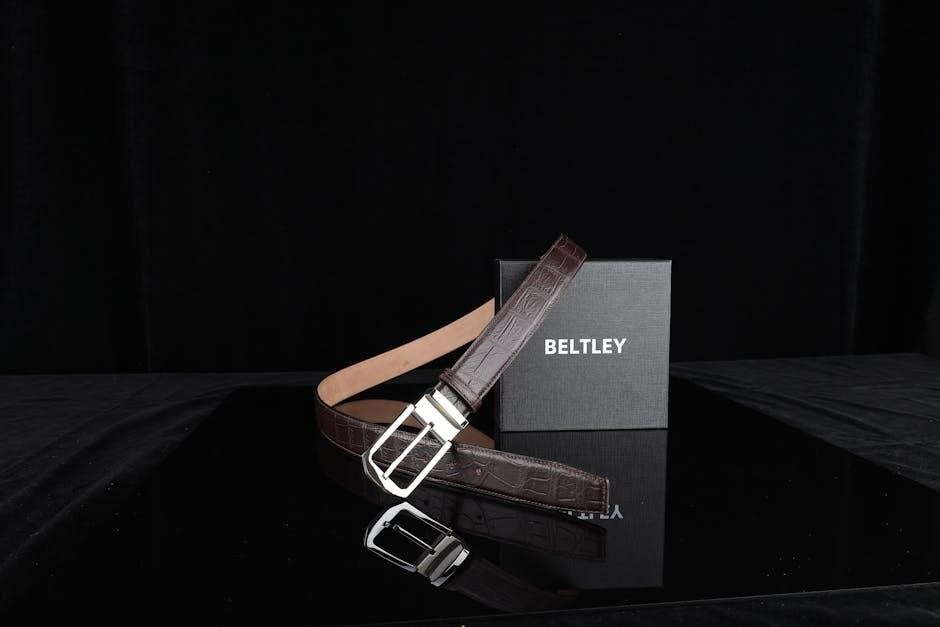
Total belt length and buckle style significantly impact the overall fit and aesthetic. Buckle size affects how much belt is needed for comfortable fastening.
Consider buckle width when determining the appropriate belt length.
Understanding Total Belt Length
Total belt length isn’t just about your waist size; it encompasses the entire circumference of the belt, including the buckle and extra material for adjustments. Typically, belt length is measured from the point where the belt attaches to the buckle, around to the middle hole (considered the standard wearing position).
A general rule of thumb is to add approximately 4-6 inches to your waist measurement to determine the necessary belt length. However, this can vary based on buckle size and personal preference. Larger buckles naturally require more belt length to function correctly.
When purchasing a belt, it’s helpful to know your ideal total length, especially when shopping online. Many retailers provide this measurement in their product descriptions. If not, consider contacting customer service for clarification. Understanding this measurement ensures a comfortable and secure fit, preventing the belt from being too short or having excessive overhang.
The Role of the Buckle in Overall Fit
The buckle isn’t merely a fastening device; it significantly impacts the overall fit and required belt length. Larger, more ornate buckles naturally consume more belt material, necessitating a longer total belt length to accommodate the extra space. Conversely, minimalist buckles require less length.
Consider the buckle style when determining your ideal belt size. A substantial buckle might mean needing to go up a size to ensure sufficient length for proper fastening; The position of the buckle’s attachment point also plays a role; some buckles are set further back, influencing the measurement.
Always factor the buckle’s dimensions into your calculations. A well-proportioned buckle complements the belt’s width and your outfit, while also contributing to a secure and comfortable fit. Ignoring the buckle’s influence can lead to a belt that’s either too tight or too loose.
Adjusting Belt Length (If Possible)
Many belts offer some degree of adjustability, but the extent varies significantly. Leather belts with traditional buckle systems typically have multiple holes, allowing for minor length adjustments – usually around an inch or so between holes. However, this range is limited, and relying on it for a substantial size difference isn’t advisable.
Belts with boxcar or continuous buckles provide greater flexibility. These systems allow for micro-adjustments, offering a more precise fit. However, even these have limits to how much length can be altered.
If a belt is consistently too long or too short, adjustment isn’t a viable solution. It’s crucial to select the correct size initially. Attempting to add holes or significantly alter a belt can compromise its structural integrity and appearance.