
Miniature Dachshund Feeding Guide: A Comprehensive Plan
Navigating a miniature dachshund’s diet requires understanding their unique needs. This guide details proper nutrition, from puppyhood through adulthood, emphasizing portion control and high-quality food choices.
Proper hydration and stable bowls are also crucial for optimal health and preventing resource guarding, ensuring a happy, healthy companion.
Understanding Your Miniature Dachshund’s Nutritional Needs
Miniature Dachshunds, despite their small stature, possess a surprisingly robust appetite and a predisposition to weight gain. This makes understanding their specific nutritional requirements paramount for maintaining optimal health and preventing associated complications like Intervertebral Disc Disease (IVDD), which is exacerbated by excess weight. Their long backs and short legs necessitate a carefully balanced diet to support musculoskeletal health.
Unlike many breeds, Miniature Dachshunds don’t necessarily need a grain-free diet unless specifically indicated by a veterinarian due to allergies. A high-quality dog food, formulated for small breeds, should be the foundation of their diet. Protein is vital for muscle maintenance, while fats provide energy. However, the key lies in moderation.
Controlling calorie intake is crucial, as these little hounds can quickly become overweight. Look for foods with a moderate protein and fat content, and avoid those with excessive fillers. Remember, a healthy weight supports their long backs and reduces strain on their spines. Consistent monitoring of their body condition score (BCS) is essential, alongside regular veterinary check-ups to adjust their dietary plan as needed throughout their life stages.
Prioritizing quality over quantity is the cornerstone of a Miniature Dachshund’s nutritional wellbeing.
Life Stage Considerations: Puppy Feeding (8-12 Weeks)
During the critical 8-12 week period, a Miniature Dachshund puppy requires a highly digestible, nutrient-dense food specifically formulated for small-breed puppies. This stage is characterized by rapid growth, demanding a diet rich in protein, fats, and essential vitamins and minerals to support bone development and overall health.
Typically, puppies at this age thrive on 3-4 small meals daily. This frequent feeding schedule prevents hypoglycemia (low blood sugar), a common concern in small breeds, and aids in proper digestion. Portion sizes should adhere to the guidelines provided on the puppy food packaging, adjusted based on the individual puppy’s activity level and growth rate.
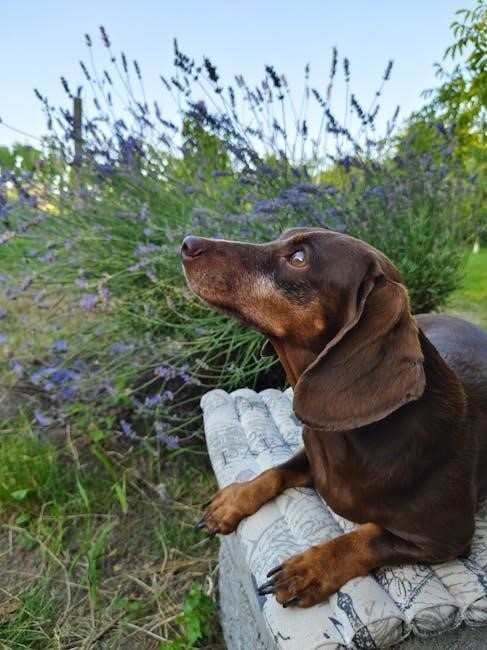
Transitioning from the mother’s milk to solid food should be gradual. Begin by mixing a small amount of wet puppy food with the mother’s milk or a puppy milk replacer, gradually increasing the proportion of solid food over several days. Ensure fresh, clean water is always available. Stable bowls are particularly important to prevent accidental spills and ensure a comfortable eating experience for these low-to-the-ground pups.
Consistent monitoring of weight and body condition is vital during this formative period.
Puppy Feeding: Transitioning to Solid Food
Successfully transitioning a Miniature Dachshund puppy to solid food requires patience and a gradual approach. Begin around 4-5 weeks of age, introducing a slurry of high-quality puppy food mixed with warm water or puppy milk replacer. This creates a texture similar to their mother’s milk, easing the transition.
Start with small amounts, offering the mixture several times a day. Gradually decrease the amount of liquid and increase the proportion of solid food over 7-10 days. Observe your puppy for any signs of digestive upset, such as diarrhea or vomiting, and adjust the pace accordingly.
Wet puppy food is often easier for them to consume initially, due to its softer texture. As they become accustomed to solid food, you can slowly incorporate dry kibble, ensuring it’s moistened with water.
Avoid abrupt changes in diet, as this can lead to digestive issues. Consistent feeding times and a calm environment will also aid in a smooth transition. Remember to always provide access to fresh, clean water.
Monitoring their appetite and stool consistency is key throughout this process.
Calculating Daily Calorie Requirements for Puppies
Determining the appropriate daily calorie intake for a Miniature Dachshund puppy is crucial for healthy growth. A general guideline is approximately 55-60 calories per kilogram of body weight, but this varies based on activity level, metabolism, and individual needs.

Initially, follow the feeding guidelines provided on the puppy food packaging, but remember these are estimates. Regularly monitor your puppy’s body condition. You should be able to feel, but not easily see, their ribs. Adjust the amount of food accordingly.
As puppies grow, their caloric needs change. A rapidly growing puppy will require more calories than a less active one. Frequent weigh-ins (weekly) are helpful to track growth and adjust food portions.
Consult with your veterinarian to establish a personalized calorie target for your puppy. They can assess your puppy’s individual needs and provide tailored recommendations.
Remember, overfeeding can lead to rapid growth, potentially increasing the risk of skeletal problems common in Dachshunds. Underfeeding can stunt growth and development.
Consistent monitoring and adjustments are essential.
Choosing the Right Puppy Food for Miniature Dachshunds
Selecting the appropriate puppy food is paramount for a Miniature Dachshund’s healthy development. Look for a formula specifically designed for small breeds, as these have smaller kibble sizes, making them easier for tiny mouths to manage and aiding digestion.
Prioritize high-quality protein sources like chicken, lamb, or fish as the primary ingredient. Avoid foods with excessive fillers like corn, wheat, and soy, as these offer limited nutritional value. The food should also contain a balanced ratio of fats and carbohydrates.
Consider a puppy food formulated with DHA (docosahexaenoic acid) to support brain and vision development. Calcium and phosphorus are vital for strong bone growth, but maintaining the correct ratio is crucial to prevent skeletal issues.
Read labels carefully and choose brands with a proven track record of quality and safety. Your veterinarian can offer personalized recommendations based on your puppy’s specific needs and health status.
Transition to the new food gradually over 5-7 days to avoid digestive upset. Monitor your puppy’s stool consistency and overall health during the transition.
Avoid generic or bargain-brand foods, as they often lack the essential nutrients a growing Dachshund puppy requires.
Adult Dachshund Feeding: Maintaining a Healthy Weight
Maintaining a healthy weight is crucial for Miniature Dachshunds, as they are prone to obesity, which can exacerbate their predisposition to intervertebral disc disease (IVDD). Careful monitoring of food intake and regular exercise are essential components of weight management.
Adult Miniature Dachshunds require a high-quality adult food formulated for small breeds. These foods typically have adjusted calorie densities to meet their lower energy needs. Avoid overfeeding, even with seemingly small amounts of food.
Portion control is key. Recommended daily portions generally range around ½ cup of food, twice daily, but this varies based on activity level, metabolism, and individual needs. Regularly assess your dog’s body condition score (BCS) to determine if adjustments are needed.
Limit high-calorie treats and snacks, and factor them into the daily calorie allowance. Choose healthy snack options like small pieces of vegetables or lean protein.
Consistent feeding schedules help regulate appetite and prevent begging. Ensure all family members are aware of the feeding guidelines to avoid accidental overfeeding.
Regular veterinary check-ups are vital for monitoring weight and overall health.
Recommended Daily Food Portions for Adult Miniature Dachshunds
Determining the precise daily food portion for your adult Miniature Dachshund requires considering several factors, including age, activity level, metabolism, and the specific calorie density of the chosen food. However, general guidelines can serve as a starting point.
Typically, an adult Miniature Dachshund weighing between 8 and 11 pounds requires approximately 330-440 calories per day. This translates to roughly ½ cup of high-quality dry kibble, divided into two meals – ½ cup in the morning and ½ cup in the evening.
It’s crucial to consult the feeding guidelines on your chosen dog food packaging, as calorie content varies significantly between brands. These guidelines often provide a range based on weight.
Active Dachshunds may require slightly larger portions, while less active individuals may need less. Monitor your dog’s weight and body condition score (BCS) closely and adjust portions accordingly.
Remember that treats and snacks contribute to daily calorie intake. Reduce the kibble portion if you offer frequent treats.
Regular veterinary check-ups are essential to ensure your Dachshund maintains a healthy weight and receives appropriate nutritional support.
The Importance of High-Quality Adult Food
Selecting a high-quality adult food is paramount for maintaining your Miniature Dachshund’s long-term health and well-being. These foods are formulated to provide a complete and balanced nutritional profile, supporting optimal energy levels, muscle mass, and organ function.
Look for dog foods that list a named meat source (e.g., chicken, lamb, beef) as the primary ingredient. Avoid foods with excessive fillers like corn, wheat, and soy, as these offer limited nutritional value.

Beneficial ingredients include easily digestible proteins, healthy fats (like fish oil for omega-3 fatty acids), and complex carbohydrates. These contribute to a shiny coat, healthy skin, and strong joints.
Consider foods specifically formulated for small breeds, as they often have smaller kibble sizes, making them easier for Miniature Dachshunds to chew and digest.

High-quality foods often contain added vitamins, minerals, and antioxidants, bolstering the immune system and protecting against chronic diseases.
Investing in a premium food can potentially reduce veterinary costs in the long run by preventing health issues related to poor nutrition.
Managing Weight: Dachshunds Prone to Obesity
Miniature Dachshunds are particularly susceptible to weight gain due to their small size and predisposition to a slower metabolism. Obesity significantly increases their risk of developing serious health problems, including intervertebral disc disease (IVDD), diabetes, and heart conditions.
Consistent monitoring of their body condition score (BCS) is crucial. You should be able to feel their ribs easily with a slight fat covering, and they should have a visible waistline when viewed from above.
Carefully control portion sizes and limit high-calorie treats. Adjust their food intake based on their activity level and individual needs. Regular exercise is also vital – even short, frequent walks can make a difference.
Avoid free-feeding, as this encourages overeating. Instead, provide measured meals at scheduled times. Be mindful of table scraps and human food, which are often high in fat and calories.
Diet and exercise are the two most controllable factors in a Dachshund’s weight management. Proactive weight management is essential for a longer, healthier life.
Consult with your veterinarian to determine the ideal weight for your Dachshund and develop a personalized weight management plan.
Foods to Avoid: Toxic and Harmful Substances
Protecting your Miniature Dachshund involves knowing which foods are potentially toxic or harmful; Several common human foods pose significant risks to their health and well-being. Chocolate, in any form, is a major concern due to its theobromine content, which can cause vomiting, diarrhea, and even death.

Onions and garlic, whether raw, cooked, or powdered, can damage red blood cells, leading to anemia. Grapes and raisins are also toxic, potentially causing kidney failure. Xylitol, an artificial sweetener found in many sugar-free products, is extremely dangerous, causing a rapid insulin release and liver failure.

Avocado contains persin, which can cause vomiting and diarrhea in dogs. Macadamia nuts can lead to weakness, tremors, and hyperthermia. Alcohol and caffeine are also strictly prohibited.
Bones, especially cooked bones, can splinter and cause internal damage. Raw dough can expand in the stomach, causing bloating and discomfort.
Always double-check ingredient lists and keep these harmful substances out of your Dachshund’s reach. If you suspect your dog has ingested a toxic substance, contact your veterinarian or an animal poison control center immediately.
Treats and Snacks: Moderation is Key
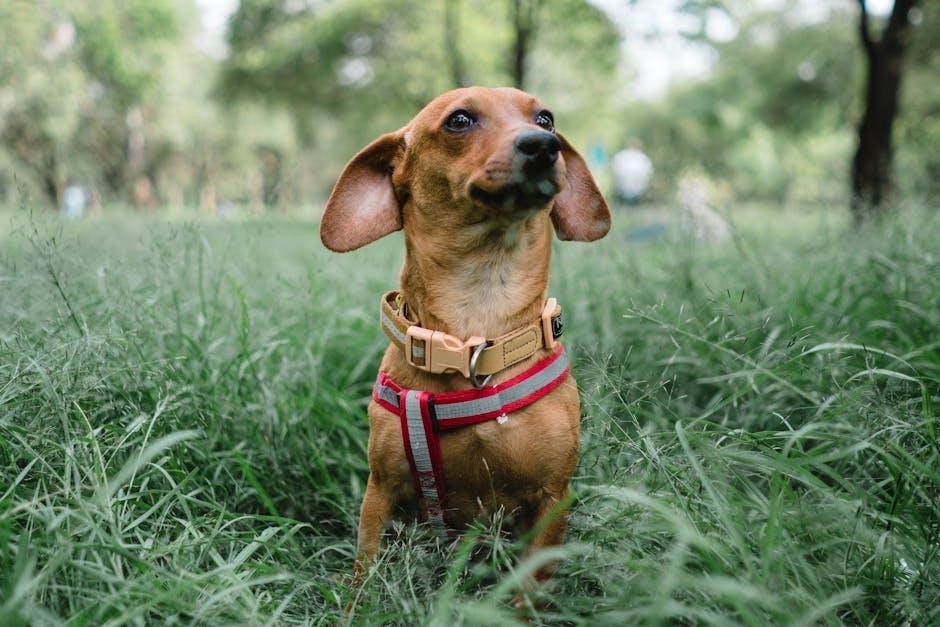
While it’s tempting to shower your Miniature Dachshund with affection, including treats, moderation is absolutely crucial. Treats should comprise no more than 10% of their daily caloric intake to prevent weight gain and maintain a balanced diet. Obesity is a common concern in Dachshunds, and even small treats can contribute to the problem.

Choose healthy treat options like small pieces of cooked chicken, carrots, or blueberries. Commercial dog treats are acceptable, but carefully read the ingredient list, avoiding those with excessive fillers, artificial colors, or preservatives. Avoid giving table scraps, as many human foods are harmful to dogs.
Use treats strategically for training and positive reinforcement. Break larger treats into smaller pieces to extend their enjoyment and reduce calorie consumption. Consider using their regular kibble as a reward during training sessions.
Be mindful of the treat’s calorie content and adjust their meal portions accordingly to avoid overfeeding. Regularly monitor your Dachshund’s weight and body condition score to ensure they remain at a healthy size. Remember, a happy Dachshund is a healthy Dachshund!
Feeding Schedule: Frequency and Timing of Meals
Establishing a consistent feeding schedule is vital for your Miniature Dachshund’s digestive health and overall well-being. Puppies, particularly between 8-12 weeks, thrive on frequent, small meals – typically 3-4 times daily. This supports their rapid growth and prevents hypoglycemia, a dangerous drop in blood sugar.
As your Dachshund transitions to adulthood, you can reduce the frequency to twice daily. Maintaining a regular timing for meals helps regulate their metabolism and aids in housetraining. Consistent feeding times also minimize begging behavior.
Avoid free-feeding, where food is left out all day, as this can easily lead to overeating and weight gain. Instead, offer a measured portion at designated meal times and remove any uneaten food after 20-30 minutes.
Consider your lifestyle when determining the best feeding schedule. If you have a busy schedule, an automatic feeder can help maintain consistency. Always provide access to fresh, clean water throughout the day.
Water Intake: Ensuring Proper Hydration
Adequate water intake is absolutely crucial for a Miniature Dachshund’s health, playing a vital role in digestion, nutrient absorption, and overall bodily functions. Dehydration can lead to serious health issues, so ensuring constant access to fresh, clean water is paramount.
While the exact amount of water a Dachshund needs varies based on activity level, diet (dry vs. wet food), and climate, a general guideline is to ensure they drink approximately 1 ounce of water per pound of body weight daily. Monitor their water bowl and replenish it frequently.
If your Dachshund primarily eats dry kibble, consider adding a small amount of water to their food to increase their fluid intake. Pay attention to signs of dehydration, such as dry gums, sunken eyes, and decreased skin elasticity.
During warmer months or after exercise, increase their water availability. Multiple water bowls placed around the house can encourage them to drink more. Clean the bowls daily to prevent bacterial growth and maintain freshness.
Stable Bowls and Preventing Resource Guarding
Miniature Dachshunds, with their low stature and elongated bodies, benefit significantly from using stable bowls. Traditional bowls can easily be tipped over, leading to wasted food and a messy eating area. Opt for bowls with non-slip bottoms or consider elevated feeders to promote comfortable eating posture.
Resource guarding, a behavioral issue where a dog becomes possessive of their food, can also occur. To prevent this, start early by hand-feeding some of their meals and occasionally adding small, tasty treats to their bowl while they are eating.
Never approach your Dachshund while they are eating and attempt to take their food away, as this can reinforce guarding behavior. If you have multiple dogs, feed them in separate areas to minimize competition and potential conflicts.
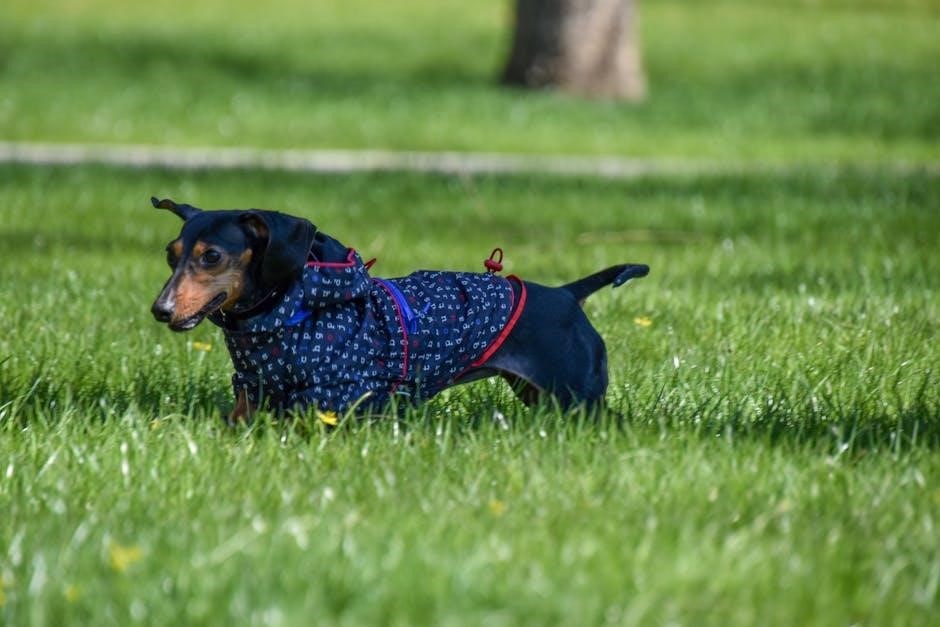
Positive reinforcement training can also be helpful. Reward calm behavior around food and gradually introduce your hand near their bowl while they are eating, offering a high-value treat. Consistency and patience are key to addressing and preventing resource guarding.
Monitoring Your Dachshund’s Body Condition Score
Regularly assessing your Miniature Dachshund’s body condition score (BCS) is crucial for maintaining optimal health and preventing obesity, a common concern for this breed. A BCS is a visual and tactile assessment of your dog’s fat cover.
You should be able to feel their ribs easily with a slight fat covering, and they should have a visible waist when viewed from above. A score of 5/9 is ideal – not too thin, not too heavy.
To assess, feel for the ribs, look for a waist, and observe the abdominal tuck (the upward slope of the abdomen from the ribs to the hind legs). If you can’t feel the ribs without pressing firmly, or if there’s no visible waist, your Dachshund may be overweight.
Conversely, if the ribs are prominently visible and there’s no fat covering, they may be underweight. Adjust their food intake accordingly and consult with your veterinarian if you have concerns. Consistent monitoring and adjustments ensure your Dachshund maintains a healthy weight and enjoys a long, active life.