Photography Styling Guide: An Overview
Navigating photography styling involves understanding client visions, offering guidance, and potentially providing wardrobe options for beautifully curated, authentic images reflecting individual style․
Embracing personal style is key; comfort and authenticity are paramount, ensuring photos genuinely represent the subjects, while considering technical aspects like lighting and resolution․
Understanding Your Photography Style
Defining your core photographic aesthetic is the foundational step in guiding clients toward optimal styling choices․ Are your images light and airy, or dark and moody? Do you lean towards posed portraits or candid, lifestyle shots?
Recognizing your style informs the types of clothing and color palettes that will best translate your vision․ If you favor a natural look, encourage clients to wear clothing that reflects their everyday selves – think comfortable, well-fitting pieces․
Conversely, if your style is more dramatic, you might suggest bolder colors, textures, and silhouettes․
Consider how clothing impacts the overall mood and storytelling within your photographs․ A photographer who embraces authenticity, as seen in emotive storytelling, will prioritize comfort and genuine expression over rigid fashion rules․
Ultimately, a clear understanding of your style allows you to confidently direct clients, ensuring a cohesive and visually appealing final product․
Defining Your Target Audience
Identifying your ideal client is crucial for tailoring styling guidance․ Are you photographing families, couples, or individuals? What is their age range, lifestyle, and general aesthetic? Understanding these demographics shapes your approach to wardrobe suggestions․
For example, styling a high school senior will differ significantly from styling a family with young children․ A younger audience might be open to trendier looks, while families may prefer classic, timeless styles․
Consider their existing style preferences․ Acknowledging that clients may already have outfits planned, and respecting their choices, is vital to avoid seeming insensitive․
Knowing your audience also helps you anticipate potential styling challenges․ Are they likely to be hesitant about trying new things, or are they fashion-forward and eager for direction?
By clearly defining your target audience, you can create styling guides and offer personalized advice that resonates with their needs and preferences, leading to happier clients and stunning photographs․
Client Wardrobe Guidance
Effective client wardrobe guidance balances professional advice with respecting individual style, ensuring comfortable, authentic looks that translate beautifully in photographs and enhance the final results․
Communicating with Clients About Style
Open and considerate communication is crucial when discussing style with clients․ Acknowledge their initial excitement about pre-planned outfits, recognizing the time and investment already made․ Avoid directly criticizing choices, as this can feel insulting; instead, frame suggestions as ways to enhance the photographs and ensure they align with the desired aesthetic․
Emphasize that the goal is to create images reflecting their authentic selves․ Encourage clients to wear what makes them feel comfortable and confident, as genuine emotion translates beautifully on camera․ Explain how certain colors or patterns might photograph differently, offering alternatives without dismissing their preferences․
Clearly articulate your style as a photographer and how wardrobe choices can complement it․ Provide examples and inspiration, but always prioritize the client’s personal taste․ A collaborative approach fosters trust and ensures a positive experience, leading to stunning and meaningful photographs․
Addressing Pre-Planned Outfits
When clients present pre-planned outfits, approach the situation with sensitivity and tact․ Validate their effort and enthusiasm, acknowledging the thought they’ve put into their selections․ Gently inquire about their vision for the photos and how the outfits contribute to that vision․

If the outfits don’t quite align with your stylistic recommendations, offer constructive feedback rather than outright disapproval․ Explain potential challenges – like dark colors blending into the background or distracting patterns – and suggest subtle adjustments․ Perhaps a different accessory or layering piece could resolve the issue․
Be prepared to compromise․ Sometimes, incorporating a beloved item is more important than strict adherence to a style guide․ Focus on creating a cohesive look that feels authentic to the client while still producing beautiful photographs․ Remember, a happy client is often the most photogenic!
The Client Closet Concept
The client closet is a curated collection of clothing and accessories offered to clients during their photoshoot, elevating the styling experience․ It’s more than just convenience; it ensures cohesive aesthetics and simplifies the often-stressful “what to wear” dilemma for families and individuals․
This service can be offered as part of your package or as an add-on, providing a range of styles to complement various themes and preferences․ A well-stocked closet demonstrates professionalism and a commitment to delivering high-quality, beautifully styled images․
Photographers who utilize client closets often report more consistent results and happier clients․ It allows for greater control over the final look, minimizing wardrobe mishaps and maximizing the visual impact of the photographs․ It’s an investment that can significantly enhance your brand and client satisfaction․
Building a Client Closet: Essentials
Establishing a client closet begins with versatile, timeless pieces․ Focus on neutral colors – creams, grays, blacks – forming a foundation for layering and coordination․ Include a variety of textures like knits, denim, and flowing fabrics to add depth to images․
Essential items include solid-colored dresses, long-sleeved shirts, cardigans, and well-fitting jeans․ Don’t forget accessories! Scarves, belts, and simple jewelry can dramatically alter a look․ Consider different styles to cater to diverse tastes – bohemian, classic, modern․
Prioritize quality and comfort․ Items should photograph well and allow for natural posing․ Remember to include options for different seasons and body types․ A thoughtfully curated closet demonstrates your commitment to providing a seamless and stylish experience for every client․
Sizing and Variety in a Client Closet
Offering a comprehensive size range is crucial for inclusivity and client comfort․ Stock sizes from small to extra-large, and consider carrying a few adjustable pieces․ Accurate measurements are key; clearly label each item with its size․ Prioritize fit – clothing that’s too tight or too loose won’t photograph well․
Beyond size, variety is essential․ Include different silhouettes – A-line, empire waist, fitted – to flatter various body types․ Offer both casual and slightly more dressed-up options․ Consider maternity wear or pieces that accommodate growing families․
Regularly assess your closet’s inventory․ Replace worn items and add new pieces to stay current with trends․ A well-maintained, diverse client closet elevates the photography experience and ensures every client feels confident and beautiful․
Color Palette & Coordination
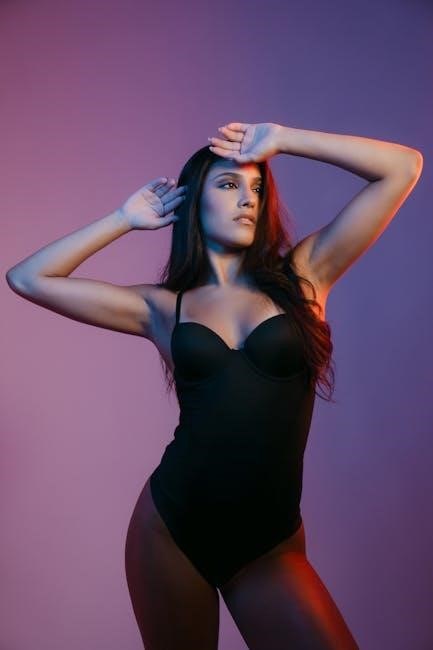
Strategic color choices enhance photos, evoking desired emotions․ Cohesive schemes avoid clashes, while neutrals provide balance; thoughtfully coordinating palettes create visually appealing, harmonious imagery․
Choosing a Cohesive Color Scheme
Developing a cohesive color scheme is fundamental to impactful photography styling․ Begin by selecting a base color – often a neutral – and then build around it with complementary or analogous hues․ Consider the location and overall mood you wish to convey; earthy tones suit outdoor settings, while cooler shades can create a more serene atmosphere․
Limit your palette to three to five colors to prevent visual overwhelm․ Utilize color wheels to understand relationships between shades, ensuring harmony․ Don’t be afraid to incorporate varying tones and tints of the same color for depth and dimension․
Remember that black, while versatile, can sometimes appear too dark in photographs, potentially blending details․ Encourage clients to avoid overly bright or neon colors, as they can distract from faces and create unwanted reflections․ Ultimately, the goal is to create a visually pleasing and balanced aesthetic that enhances the subjects without overpowering them․
Avoiding Clashing Colors
Preventing clashing colors is crucial for flattering photography․ A common mistake is pairing overly saturated hues directly next to each other; think bright orange and vibrant purple․ Instead, opt for muted tones or introduce neutral shades to act as buffers․
Consider color temperature – warm tones (reds, oranges, yellows) and cool tones (blues, greens, purples) can sometimes conflict․ Balancing them with neutrals like gray, beige, or cream creates visual harmony․ Avoid combinations that create high contrast without intention, as this can be distracting․
Guide clients away from patterns that feature wildly different colors․ Subtle patterns are generally safer․ When in doubt, suggest a monochromatic look – varying shades of a single color – which is almost always visually appealing and avoids clashes entirely․ Prioritize a cohesive and harmonious aesthetic over bold, potentially jarring combinations․
The Impact of Neutrals
Neutrals – whites, creams, grays, beiges, and blacks – form the foundation of a timeless and versatile photography wardrobe․ They offer a clean backdrop, allowing personalities to shine without distraction from busy patterns or bold colors․ However, be mindful of black’s tendency to absorb light, potentially making features appear darker․
Strategic use of neutrals creates a cohesive look when combined with subtle pops of color․ They also provide excellent flexibility when building a client closet, as they complement a wide range of skin tones and styles․ Encourage layering neutral pieces for depth and texture․
While seemingly simple, neutrals require careful consideration of undertones․ Warmer neutrals (beige, cream) suit warmer skin tones, while cooler neutrals (gray) complement cooler complexions․ Properly chosen neutrals enhance, rather than wash out, subjects․
Using Color to Evoke Emotion
Color psychology plays a significant role in photography styling, influencing the mood and narrative of an image․ Warm colors – reds, oranges, yellows – convey energy, passion, and happiness, ideal for vibrant family portraits․ Conversely, cool colors – blues, greens, purples – evoke calmness, serenity, and trustworthiness․
Consider the desired emotional impact when selecting a color palette․ Earth tones create a sense of grounding and authenticity, while pastels offer a soft, romantic feel․ Avoid overwhelming the image with too many bold colors; instead, use them strategically as accents․
Understanding how colors interact is crucial․ Complementary colors (e․g․, blue and orange) create visual interest, while analogous colors (e․g․, blue, blue-green, green) offer harmony․ Thoughtful color choices enhance storytelling and connect with viewers on an emotional level․

Outfit Choices: Dos and Don’ts
Encourage comfortable, authentic clothing reflecting personal style, avoiding overly busy patterns or distracting logos․ Prioritize fit and timeless pieces for flattering, enduring photographs․
What to Encourage Clients to Wear
As a photographer, guiding clients toward flattering choices is crucial․ Encourage them to embrace their personal style – if they love band t-shirts and ripped jeans, that’s fantastic! Authenticity shines through in photos․ Suggest clothing they feel confident and comfortable in, as this translates beautifully on camera․
Solid colors generally photograph well, offering a classic and timeless look․ However, don’t shy away from subtle patterns or textures that add visual interest․ Layers can create depth and dimension in images․ Think about coordinating colors within a family, rather than strictly matching, for a cohesive yet natural feel․
Suggest avoiding anything too trendy that might quickly date the photos․ Instead, focus on classic pieces that will remain stylish for years to come․ Ultimately, the goal is to help clients select outfits that represent who they are and create images they’ll cherish․
Items to Avoid in Photography
Certain clothing choices can present challenges during a photoshoot․ While personal style is paramount, it’s helpful to gently guide clients away from items that may not photograph optimally․ Large, distracting patterns can overwhelm an image, pulling focus away from faces․
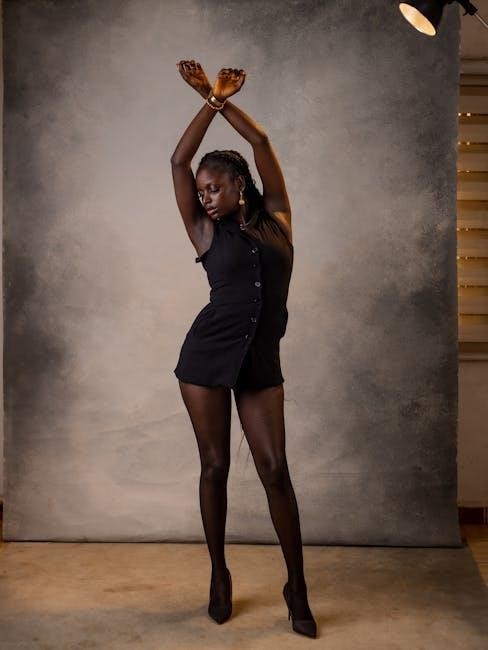
Logos and prominent branding are generally best avoided, as they can date the photos and detract from the overall aesthetic․ Similarly, very bright or neon colors can create unwanted reflections or color casts․ Black clothing, while versatile, can sometimes appear too dark and blend into shadows, losing detail․
Thin straps or overly revealing clothing might not translate well on camera and could make subjects feel self-conscious․ Ultimately, the aim is to help clients choose outfits that are flattering, comfortable, and contribute to a timeless and beautiful final result․
The Role of Texture and Patterns
Texture and patterns introduce visual interest and depth to photographs, but require careful consideration․ Subtle textures, like cable knit sweaters or corduroy, add dimension without being overwhelming․ Smaller, classic patterns – think delicate florals or gingham – can work beautifully, offering a touch of personality․
However, large or busy patterns, such as bold stripes or intricate paisley, can be distracting and create a moiré effect on camera․ When incorporating patterns, ensure they aren’t clashing between family members; coordinating rather than matching is key․
Layering different textures – denim with lace, or a chunky knit over a silky blouse – adds complexity and visual appeal․ Ultimately, the goal is to use texture and pattern to enhance the image, not detract from the subjects’ faces and emotions․
Comfort and Authenticity in Clothing
Prioritizing comfort is paramount for authentic expressions during a photoshoot․ Clothing should allow for natural movement and posing, enabling genuine smiles and interactions․ Restrictive or ill-fitting garments can create tension and detract from the overall mood․
Encourage clients to wear what reflects their everyday style, or the best version of themselves․ If they typically wear jeans and t-shirts, a styled but relaxed version of that is preferable to a formal outfit they’re uncomfortable in․
Authenticity shines through when individuals feel confident and at ease․ Remind clients that the goal is to capture them, not a fabricated image․ Embracing their personal aesthetic ensures the photographs feel genuine and timeless, truly representing their personality and story․
Posing and Styling Synergy
Clothing choices significantly influence posing; flowing fabrics encourage movement, while structured garments offer defined shapes․ Styling should complement poses for impactful, flattering results․
How Clothing Affects Posing
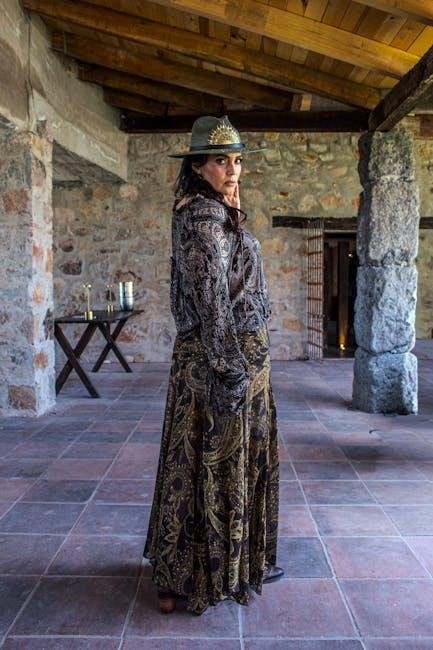
The relationship between clothing and posing is deeply intertwined, impacting the overall aesthetic and flow of a photograph․ Garments with structure, like jackets or fitted dresses, naturally encourage more defined and upright poses, providing a sense of poise and stability․ Conversely, looser, flowing clothing—think maxi dresses or oversized sweaters—lend themselves to softer, more relaxed poses, promoting movement and a natural feel․
Consider fabric weight; heavier materials can restrict movement, while lighter fabrics allow for greater freedom․ Bulky clothing might obscure the body’s natural lines, requiring adjustments in posing to avoid a shapeless appearance․ Furthermore, the color and pattern of clothing can draw the eye, influencing where the viewer focuses within the frame․ A photographer must guide clients to poses that harmonize with their attire, ensuring both comfort and visual appeal․ Ultimately, the goal is to create a seamless synergy where clothing enhances, rather than hinders, the desired pose and emotional expression․
Styling for Different Body Types
Effective styling acknowledges and celebrates diverse body types, moving beyond generic advice․ For example, creating definition with clothing can benefit those wishing to accentuate curves, while strategic layering can balance proportions․ A-line silhouettes generally flatter most figures, creating a visually appealing shape․
Avoid clothing that overwhelms smaller frames or constricts larger ones․ Vertical lines and strategic color blocking can elongate the body, while avoiding overly tight or baggy garments ensures comfort and a polished look․ The key is to highlight a client’s best features and boost their confidence․ Remember, the goal isn’t to change a body, but to dress it in a way that feels authentic and photographically flattering․ Encourage clients to embrace their unique shape and choose clothing that makes them feel empowered and beautiful․
Accessorizing for Impact
Strategic accessorizing elevates a photograph, adding personality and visual interest․ However, moderation is crucial; avoid overwhelming the outfit or distracting from the subject’s face․ Simple jewelry, like delicate necklaces or understated earrings, can enhance an ensemble without being overpowering;
Consider scarves, belts, or hats to complement the clothing and add texture․ These elements can also draw attention to specific features or create a focal point․ Ensure accessories align with the overall style and color palette of the shoot․ Avoid overly trendy or flashy items that might date the photos quickly․ Ultimately, accessories should enhance the client’s look and contribute to the story you’re trying to tell, adding subtle details that make the images more captivating and memorable․
Technical Considerations
Clothing choices significantly impact lighting and final image quality; darker fabrics absorb light, while resolution needs align with intended print sizes for optimal results․
Impact of Clothing on Lighting
Understanding how clothing interacts with light is crucial for successful photography․ Darker colors, like black, tend to absorb light, potentially leading to underexposed areas and a loss of detail in shadows․ This can make subjects blend into the background or appear less vibrant․ Conversely, lighter colors reflect light, brightening the image and creating a more airy feel․
Photographers must consider these properties when advising clients on wardrobe choices․ Suggesting a mix of tones and textures can help balance the light and prevent harsh contrasts․ Shiny or reflective fabrics can create unwanted highlights and glare, while matte materials offer a more even and flattering appearance․
Furthermore, the direction and quality of light play a role․ Soft, diffused light minimizes harsh shadows, while direct sunlight can accentuate textures and colors․ Adjusting camera settings and utilizing reflectors can help compensate for challenging lighting conditions caused by clothing choices, ensuring a well-lit and visually appealing photograph․
Resolution and Print Quality
The impact of clothing choices extends to the final printed product, directly influenced by image resolution․ Higher resolution images capture more detail, allowing for larger prints without pixelation or loss of clarity․ Intricate patterns or textures in clothing benefit significantly from higher resolutions, ensuring they are reproduced faithfully․
When advising clients, explain that clothing details will be more visible in larger prints․ A low-resolution image can render fine fabrics or subtle designs blurry and undefined․ For photographs intended for substantial prints – like 5×7 inches or larger – a higher megapixel camera and careful attention to image settings are essential․
Consider the intended use of the photographs․ Digital sharing requires lower resolutions, while professional prints demand higher quality․ Communicating these factors to clients helps manage expectations and ensures the final product meets their needs, showcasing their styled outfits beautifully․
Staying Current with Trends
Continuously monitor fashion and photography influencers to adapt styles, ensuring your brand remains relevant and fresh, while still honoring individual client preferences and aesthetics․
Following Fashion and Photography Influencers
Staying informed about current trends is crucial for a modern photography styling guide․ Regularly following key fashion and photography influencers across platforms like Instagram, Pinterest, and relevant blogs provides invaluable insight․ Observe how they utilize color palettes, textures, and silhouettes in their work․
Pay attention to emerging styles and how they translate into visual storytelling․ Note which trends align with your brand aesthetic and target audience․ Don’t blindly copy, but rather, adapt and integrate these ideas creatively․
Consider influencers who specialize in lifestyle, portraiture, or family photography, as their content will be most directly applicable․ Analyze their styling choices – what works, what doesn’t, and why․ This continuous learning process will elevate your styling expertise and ensure your client sessions feel contemporary and polished․
Remember to diversify your sources to gain a well-rounded perspective․
Adapting Styles to Your Brand
A successful photography styling guide isn’t about chasing every trend, but thoughtfully integrating styles that complement your brand’s identity․ Your brand likely attracts a specific clientele with shared aesthetic preferences․ Understanding this is paramount․
If your brand emphasizes natural, emotive storytelling, overly styled or trendy outfits might feel incongruous․ Conversely, a brand focused on modern, editorial work can embrace bolder fashion choices․ Authenticity is key; ensure styling enhances, not overshadows, the subject’s personality․
Consider your editing style․ Do you favor warm, muted tones or bright, vibrant colors? Clothing choices should harmonize with your post-processing aesthetic․ Ultimately, adapting styles means curating a look that feels cohesive with your overall brand message and consistently delivers the visual experience your clients expect․
Prioritize brand consistency above all else․