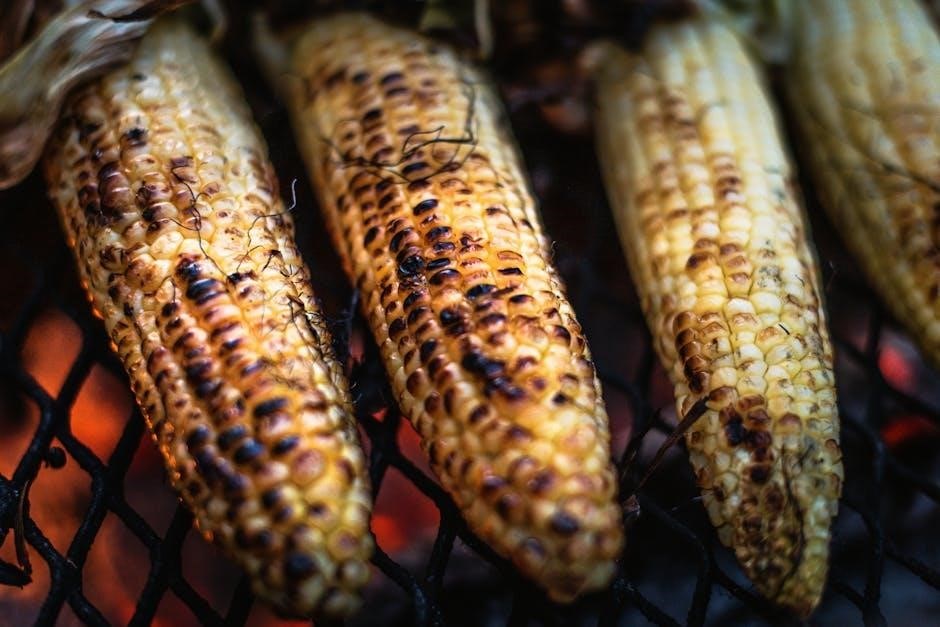
State fair corn dogs represent a beloved culinary tradition, instantly evoking memories of vibrant fairs and joyful experiences for many people.
These delightful, handheld treats have become synonymous with fair food culture, offering a unique and satisfying flavor profile.
The enduring appeal of corn dogs lies in their simple yet effective combination of a savory hot dog encased in a sweet, crispy cornmeal coating.
From classic recipes to modern variations, the corn dog continues to captivate taste buds and remain a staple at state fairs across the nation.
The Allure of the Fair Food Classic
The irresistible charm of state fair corn dogs stems from a potent blend of nostalgia, convenience, and pure, satisfying flavor. They aren’t merely food; they’re an experience, intrinsically linked to the sights, sounds, and excitement of the fair itself.
Each bite delivers a delightful contrast – the snap of the hot dog, the sweetness of the cornmeal batter, and the satisfying crunch of the golden-brown exterior. This textural interplay is key to their enduring popularity. The portability of a corn dog further enhances its appeal, allowing fairgoers to enjoy a tasty treat while exploring the grounds.
Furthermore, the simplicity of the corn dog contributes to its universal appeal. It’s a familiar comfort food, easily enjoyed by people of all ages. The anticipation of that first bite, the aroma wafting through the fairgrounds – these sensory experiences elevate the corn dog beyond a simple snack, transforming it into a cherished tradition;
Brief History of Corn Dogs
The origins of the corn dog are surprisingly debated, with multiple claimants vying for the title of inventor. While similar concepts existed earlier, the modern corn dog as we know it gained prominence in the United States during the 1930s and 40s.
Several vendors, particularly in Texas and Minnesota, began selling hot dogs coated in cornmeal batter and deep-fried. The Pronto Pup, introduced in Minnesota in 1941, is often cited as an early predecessor. However, the Cozy Dog Drive In in Springfield, Illinois, popularized the corn dog in 1946, claiming to have invented it.
Regardless of the precise origin, the corn dog quickly became a staple at state fairs and roadside stands, capitalizing on its affordability and convenience. Its association with these venues cemented its status as a quintessential American fair food, evolving into the beloved treat enjoyed today.
Ingredients for Authentic State Fair Corn Dogs
Creating genuine state fair corn dogs demands specific ingredients, including quality hot dogs, finely ground cornmeal, flour, sugar, and essential wet components like milk and eggs.
Selecting the Right Hot Dogs
Choosing the perfect hot dog is paramount for an authentic state fair corn dog experience. While standard-sized hot dogs work, many recipes, especially those aiming for a “mini” corn dog, suggest utilizing smaller varieties like “Litl Smokies” or cocktail franks.
These smaller options ensure a more manageable and proportionally balanced bite. The quality of the hot dog itself significantly impacts the final flavor; opt for all-beef hot dogs for a richer, more savory taste. Consider the casing – a natural casing provides a satisfying “snap” when bitten into, mimicking the texture found at fairs.
Pre-cooked hot dogs are convenient, but uncooked hot dogs, fully cooked during the frying process, can offer a superior flavor. Ultimately, the best hot dog is one you enjoy, but prioritizing quality and size will elevate your homemade corn dogs to state fair standards.
The Importance of Cornmeal
Cornmeal is the cornerstone of the classic state fair corn dog, providing the signature texture and subtly sweet flavor that defines this beloved treat. It’s not simply about adding cornmeal; the type of cornmeal matters. Medium-grind or coarse-grind cornmeal is generally preferred, offering a slightly gritty texture that adheres well to the hot dog and creates a satisfyingly crispy coating.
Fine-grind cornmeal can result in a smoother, less textured batter. The cornmeal contributes significantly to the golden-brown color achieved during frying. Don’t substitute corn flour, as it lacks the necessary texture. The proportion of cornmeal to flour in the batter is crucial; too little, and you lose the characteristic corn dog flavor, too much, and the batter can become overly dense.
Essential Dry Ingredients: Flour, Sugar, Baking Powder, Salt
Achieving the perfect batter relies on a precise balance of dry ingredients. All-purpose flour provides structure, while sugar contributes to both flavor and browning. Granulated sugar is standard, offering a clean sweetness that complements the savory hot dog. Baking powder is vital for creating a light and fluffy texture; it’s the leavening agent that gives the corn dog coating its airy quality.
Don’t underestimate the role of salt! It enhances the flavors of all other ingredients, preventing the corn dogs from tasting bland. Whisking these dry ingredients thoroughly before adding the wet ingredients ensures even distribution, preventing clumps and guaranteeing a consistent batter. Proper measurement is key – too much flour results in a tough coating, while too little leads to a soggy one.
Wet Ingredients: Milk, Eggs, and a Touch of Sweetness
The wet ingredients bind the dry components, creating a smooth and pourable batter. Milk provides moisture and helps activate the baking powder, contributing to the light texture. Whole milk is often preferred for its richness, but lower-fat options can be used. Eggs add richness, structure, and emulsification, ensuring the batter holds together during frying. They also contribute to the golden-brown color of the finished corn dogs.
A touch of sweetness, beyond the sugar in the dry mix, can elevate the flavor profile. Honey or maple syrup are excellent choices, adding a subtle complexity. Incorporate these wet ingredients gradually into the dry mixture, whisking until just combined – avoid overmixing, which can develop the gluten in the flour and result in a tough coating.
Corn Dog Batter: Achieving the Perfect Consistency
A smooth batter is crucial for even coating. It should be thick enough to cling to the hot dog, yet pourable for easy dipping and frying.
Mixing Techniques for a Smooth Batter
Creating a flawless corn dog batter begins with the proper mixing technique. Start by whisking together the dry ingredients – flour, cornmeal, sugar, baking powder, and salt – in a large bowl to ensure they are evenly distributed. This foundational step prevents pockets of unmixed baking powder, leading to a more consistent rise and texture.
Next, gradually incorporate the wet ingredients – milk and eggs, plus a touch of sweetness – into the dry mixture. Avoid overmixing, as this can develop the gluten in the flour, resulting in a tough batter. Instead, gently fold the wet and dry ingredients together until just combined. A few small lumps are perfectly acceptable; in fact, they’re preferable to a batter that has been overworked.
Remember, the goal is a smooth, yet not overly refined, consistency. A slightly textured batter will adhere better to the hot dogs, creating a thicker, more satisfying coating.
Batter Thickness and its Impact on Coating
Achieving the ideal batter thickness is crucial for a state fair-worthy corn dog. A batter that’s too thin will result in a delicate, easily-breakable coating that doesn’t cling well to the hot dog. Conversely, a batter that’s too thick will create an overly heavy, doughy exterior, masking the flavor of the sausage.
The perfect consistency resembles a thick pancake batter – it should coat the back of a spoon and slowly drip off. If the batter is too thin, add a tablespoon of flour at a time until the desired thickness is reached. If it’s too thick, add a splash of milk.
A properly thickened batter ensures a substantial, crispy coating that stays firmly attached during frying. This creates the satisfying crunch and prevents the hot dog from slipping out, delivering the classic state fair experience.
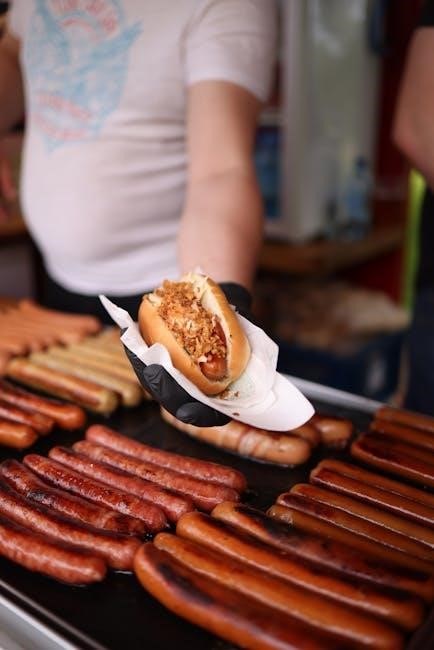
Cooking Methods for State Fair Style Corn Dogs
Traditional deep frying delivers the authentic state fair experience, while modern air frying offers a healthier alternative for enjoying this classic, beloved treat at home.
Deep Frying: The Traditional Approach
Deep frying remains the quintessential method for achieving that authentic state fair corn dog experience, replicating the crispy exterior and juicy interior that defines this classic treat.
Begin by heating approximately 3-4 inches of oil – peanut or vegetable oil are excellent choices – in a deep, heavy-bottomed pot to a consistent temperature of 350-375°F (175-190°C).
Maintaining this temperature is crucial for ensuring even cooking and preventing a soggy result.
Carefully lower the corn dogs, a few at a time, into the hot oil, avoiding overcrowding the pot to maintain the oil temperature.
Fry for approximately 3-5 minutes, turning occasionally, until they achieve a deep golden-brown color and the batter is cooked through.
Safety is paramount when deep frying; always use long tongs to handle the corn dogs and never leave the hot oil unattended.
Once cooked, remove the corn dogs from the oil and place them on a wire rack lined with paper towels to drain excess oil, ensuring a delightfully crispy finish.
Oil Temperature and Safety Precautions
Maintaining the correct oil temperature is absolutely critical for successful corn dog frying; too low, and the batter will absorb excess oil, resulting in a greasy product, while too high can cause burning.
A thermometer is your best friend – aim for a consistent 350-375°F (175-190°C) throughout the frying process.
Safety must be your top priority when working with hot oil. Always use a deep, heavy-bottomed pot to minimize the risk of spills.
Never leave hot oil unattended, and keep a fire extinguisher readily accessible in the kitchen.
When adding corn dogs to the oil, do so gently and slowly to prevent splashing.
Use long tongs or a slotted spoon to carefully lower and remove the corn dogs from the oil, keeping your hands a safe distance away.
Avoid overcrowding the pot, as this will lower the oil temperature and lead to uneven cooking. If oil splatters, immediately turn off the heat and carefully address the situation.
Air Frying: A Healthier Alternative

For a lighter take on this classic treat, air frying offers a fantastic alternative to deep frying, significantly reducing the oil content without sacrificing that desirable crispy exterior.
Preheat your air fryer to 375°F (190°C) for optimal results. Lightly spray the air fryer basket with cooking oil to prevent sticking.
Arrange the battered corn dogs in a single layer, ensuring they aren’t overcrowded; work in batches if necessary.
Air fry for 8-12 minutes, flipping halfway through, until golden brown and the internal temperature of the hot dog reaches 165°F (74°C).
While air frying requires less oil, a light spray helps achieve that authentic, crispy texture.
Experiment with different air fryer models, as cooking times may vary. Regularly check for doneness to prevent overcooking and ensure a perfectly cooked corn dog.
Enjoy a guilt-free indulgence!
Tips for a Crispy and Golden-Brown Coating
Achieving the perfect crunch involves double-dipping the hot dogs in batter and maintaining consistent oil temperature during the frying process for optimal results.
Double Dipping for Extra Crunch
For a truly state fair-worthy corn dog, consider the technique of double dipping – a simple yet incredibly effective method for achieving an exceptionally crispy and substantial coating. After the initial dip in the corn dog batter, allow any excess to drip off briefly before returning the hot dog to the batter for a second coating.
This second layer builds upon the first, creating a thicker, more textured exterior that delivers a satisfying crunch with every bite. Ensure the hot dog is fully submerged during both dips to guarantee even coverage.
Don’t overload the batter with too many hot dogs at once, as this can lower the batter’s temperature and result in a soggy coating. A small batch approach is best. Remember to gently shake off any excess batter before carefully lowering the double-dipped corn dogs into the hot oil for frying, ensuring a golden-brown and delightfully crunchy finish.
Maintaining Oil Temperature During Frying
Consistent oil temperature is paramount when frying state fair-style corn dogs, directly impacting their texture and preventing a greasy outcome. Ideally, maintain the oil between 350°F and 375°F (175°C — 190°C) throughout the cooking process. Use a deep-fry thermometer to monitor the temperature accurately.
Adding too many corn dogs to the oil simultaneously will drastically lower the temperature, leading to soggy coatings. Fry in batches, ensuring not to overcrowd the pot. If the temperature drops significantly, allow the oil to reheat fully before adding more corn dogs.
Avoid excessively high temperatures, as this can burn the exterior before the inside is cooked through. A stable temperature guarantees a golden-brown, crispy coating and a perfectly heated hot dog within, replicating the authentic state fair experience.
Serving and Enjoying Your Corn Dogs
Freshly fried corn dogs are best served immediately, allowing for maximum crispiness and flavor! Pair them with classic condiments like mustard and ketchup.
Classic Condiments: Mustard and Ketchup
When enjoying state fair corn dogs, the condiment choices are a crucial part of the experience, and two stand out as timeless classics: mustard and ketchup.
Yellow mustard, with its tangy and slightly sharp flavor, provides a delightful contrast to the sweetness of the cornmeal batter and the savory hot dog within.
It cuts through the richness, offering a refreshing bite that complements the overall taste profile beautifully.
Ketchup, on the other hand, delivers a sweeter and more familiar flavor, appealing to a wide range of palates.
Its smooth texture and tomato-based sweetness create a harmonious blend with the corn dog, enhancing its comforting qualities.
Many purists advocate for a simple swirl of both mustard and ketchup, allowing the flavors to mingle and create a balanced taste sensation.
Ultimately, the choice between mustard and ketchup, or a combination of both, is a matter of personal preference, but these two remain the undisputed champions of corn dog condiments.
Creative Dipping Sauces
Beyond the traditional mustard and ketchup, a world of creative dipping sauces awaits to elevate your state fair corn dog experience to new heights.
Spicy honey mustard offers a delightful kick, blending the sweetness of honey with the tang of mustard and a touch of heat.
Ranch dressing, a beloved American classic, provides a creamy and herbaceous counterpoint to the corn dog’s savory flavors.
For those who enjoy a bit of zest, a sriracha mayo dip delivers a creamy, spicy, and umami-rich experience.
Sweet chili sauce introduces a balance of sweetness, spice, and tang, creating an addictive flavor combination.
Even a simple cheese sauce, whether cheddar, pepper jack, or a creamy beer cheese, can transform a corn dog into a decadent treat.
Don’t be afraid to experiment with your favorite sauces – the possibilities are endless, and the perfect dip is waiting to be discovered!