Mastering a manual wheelchair requires skill and practice; understanding propulsion, anatomy, and techniques is key to independent mobility and confident navigation.
Learning to effectively maneuver a manual wheelchair empowers individuals, fostering independence and participation in daily activities, as highlighted by resources like WheelstoWalking.
Initial practice in a safe, controlled environment, alongside consulting resources and potentially an occupational therapist, is crucial for building proficiency.
Understanding Manual Wheelchair Propulsion
Effective manual wheelchair propulsion isn’t simply pushing the wheels; it’s a coordinated effort involving upper body strength, technique, and understanding biomechanics. The movement originates from the shoulders, engaging the back and core for stability and power transfer.
A “full stroke” utilizes the entire range of motion, maximizing efficiency. Many new users transition from transport chairs, finding an actively fitted wheelchair feels more intuitive as it moves with the body, as noted on Reddit’s r/wheelchairs.
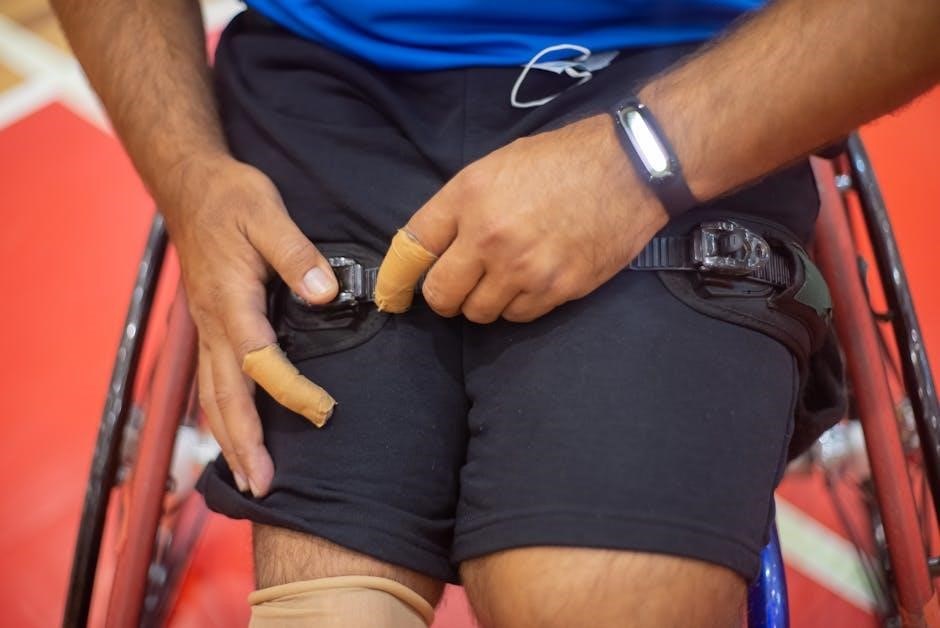
Adjusting torque and speed settings, particularly when starting, can aid learning. Proper handrim grip and avoiding excessive wrist flexion are vital to prevent fatigue and injury. Resources like WheelstoWalking offer detailed guidance on refining these techniques for everyday skills, ultimately enhancing control and endurance.
Essential Anatomy of a Manual Wheelchair
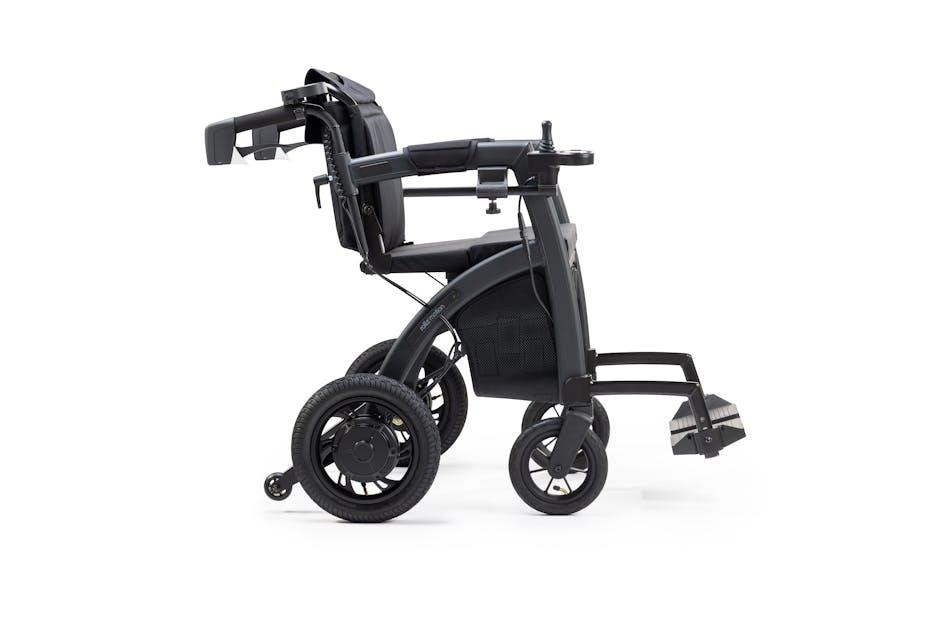
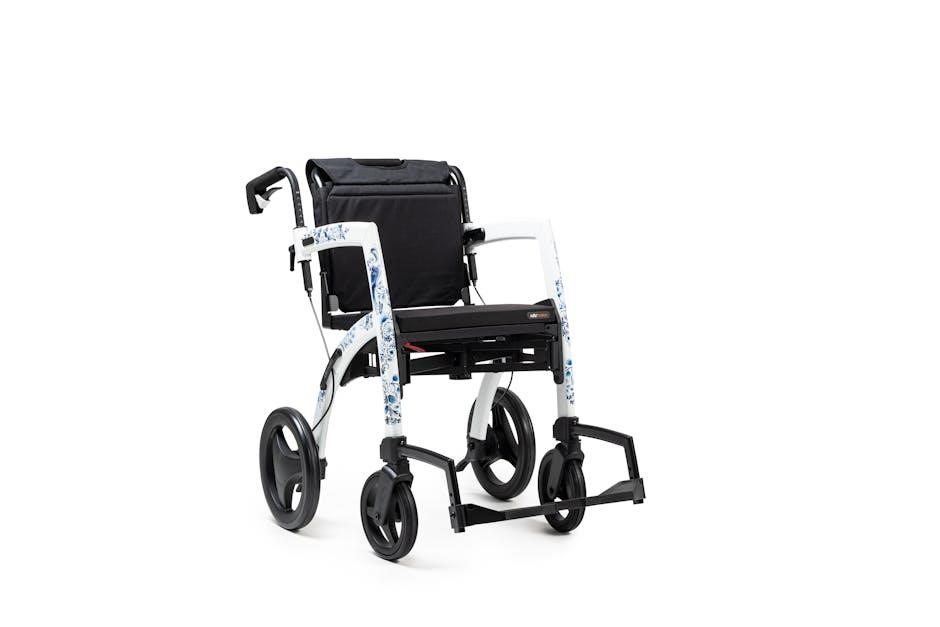
A manual wheelchair’s key components directly impact driving ability. The frame provides structural support, while wheels – both drive wheels and casters – enable movement. Understanding the handrims is crucial; these are the points of propulsion, requiring a firm grip and coordinated push.
Tires influence rolling resistance and require proper inflation for optimal performance. The seat and backrest contribute to posture and comfort, impacting efficiency. Brakes are essential for safety, controlling speed and preventing unwanted movement.
Some wheelchairs feature anti-tip devices for added stability, particularly on inclines. For those transitioning from powered chairs, recognizing these components and their function is the first step towards mastering manual propulsion and control.

Wheelchair Driving Techniques
Effective wheelchair driving involves mastering propulsion, turning, and navigating obstacles; practice builds coordination and control for smooth, safe, and independent movement.
Basic Forward Propulsion
Forward propulsion in a manual wheelchair centers around a rhythmic pushing motion with your arms, utilizing a synchronized hand-to-wheel relationship. Maintaining a consistent stroke length and angle maximizes efficiency, minimizing fatigue during extended travel.
Begin with hands positioned slightly higher than shoulder-width apart on the pushrims, gripping firmly but not rigidly. Push back and down simultaneously, aiming for a full range of motion, then recover your hands to the starting position.
Focus on a smooth, circular motion rather than jerky movements; this conserves energy and provides a more controlled ride. Practice maintaining a steady pace and direction, gradually increasing speed as comfort and skill develop. Remember, a well-fitted chair intuitively moves with your body, as noted by Reddit users.

Turning Techniques: Small and Large Turns
Executing turns in a manual wheelchair requires subtle adjustments in propulsion and body weight distribution. For small, precise turns, apply slightly more pressure to the hand on the side you wish to turn towards, while maintaining even force on the opposite wheel.
Lean your body gently in the direction of the turn to enhance responsiveness. Larger turns involve a more pronounced difference in propulsion; significantly reduce pressure on the inner wheel while increasing it on the outer wheel.
Coordinating these movements with a slight shift in body weight allows for smooth, controlled arcs. Practice both techniques in a spacious area to develop muscle memory and refine your steering ability, remembering the intuitive movement of a well-fitted chair.
Navigating Slopes and Inclines
Ascending slopes in a manual wheelchair demands increased strength and a modified technique. Maintain a consistent, rhythmic propulsion, utilizing shorter, more powerful strokes to overcome gravity’s pull. Lean forward slightly, keeping your center of gravity over the wheels to prevent tipping backwards.
Engage your core muscles for stability and avoid locking your elbows. When approaching the incline, build momentum beforehand. Descending requires controlled braking and a lowered center of gravity; lean back slightly and use intermittent braking to manage speed.
Practice in a safe, controlled setting, initially with gentler slopes, and gradually increase the challenge as your confidence and strength improve. Adjust torque and speed settings if available.
Descending Slopes Safely
Safely descending slopes with a manual wheelchair requires careful control and technique. Prioritize controlled braking, utilizing intermittent applications rather than continuous pressure to avoid skidding or losing control. Lean your body weight slightly backwards, shifting your center of gravity to enhance stability and counteract the forward momentum.
Keep your hands firmly gripping the wheels, prepared to adjust braking force as needed. Scan the slope for obstacles and plan your descent path accordingly. Avoid excessive speed, as it reduces your ability to react to unexpected changes.
Practice in a secure environment, starting with gentle inclines, and gradually progress to steeper slopes as your skills develop.
Advanced Manual Wheelchair Skills
Refining skills like wheelies, curb climbing, and tight-space maneuvering unlocks greater independence and confidence for manual wheelchair users, demanding practice and precision.
Wheelies and Curb Climbing
Mastering wheelies and curb climbing significantly expands a manual wheelchair user’s accessibility and independence, though these maneuvers require considerable skill and practice.
A controlled wheelie involves shifting your weight and utilizing a rocking motion to lift the front casters off the ground, demanding core strength and balance. This skill aids in navigating uneven terrain and small obstacles.
Curb climbing necessitates a different technique, often involving a powerful push and a coordinated weight shift to overcome the vertical barrier. Proper timing and upper body strength are essential.
It’s crucial to approach these skills progressively, starting with small inclines and gradually increasing the challenge. Resources like WheelstoWalking offer detailed tutorials and guidance on safe and effective execution. Always prioritize safety and consider consulting with an occupational therapist for personalized instruction.
Maneuvering in Tight Spaces
Navigating confined areas – hallways, doorways, crowded rooms – demands precise control and refined wheelchair driving techniques. Success relies on understanding your wheelchair’s dimensions and turning radius.
Small, incremental adjustments are key; avoid large, sweeping motions that require excessive space. Utilize a combination of shoulder and wrist movements for nuanced steering.
Often, a slight diagonal approach can facilitate entry into narrow spaces. Practice pivoting on the rear wheels to maximize maneuverability. Maintaining awareness of your surroundings is paramount to prevent collisions.
Resources like WheelstoWalking emphasize the importance of body positioning and efficient propulsion for tight space navigation. A well-fitted wheelchair, allowing for optimal reach and control, significantly enhances this skill. Consistent practice builds confidence and proficiency.
Maintaining Momentum on Various Surfaces
Sustaining momentum is crucial when traversing diverse terrains – carpets, grass, uneven pavements. These surfaces demand adjusted techniques to avoid fatigue and maintain efficient propulsion.
On carpets, utilize longer, more powerful strokes, keeping your core engaged for stability. Grass and uneven surfaces require smaller, quicker pushes, adapting to the changing resistance.
Anticipate surface transitions and adjust your effort accordingly. A slight increase in speed before encountering a challenging surface can help carry you through. Proper tire inflation is vital for optimal grip and reduced rolling resistance.
WheelstoWalking tutorials highlight the importance of rhythmic propulsion and efficient energy transfer. A well-fitted wheelchair, coupled with practice, allows for seamless adaptation to varying surfaces, enhancing independence and reducing strain.

Wheelchair Maintenance for Optimal Driving
Regular upkeep – tire inflation, brake checks, and chain/sprocket care – ensures smooth, safe operation and extends the lifespan of your manual wheelchair.
Tire Inflation and Maintenance
Maintaining proper tire inflation is paramount for efficient manual wheelchair propulsion and a comfortable ride. Underinflated tires require significantly more effort to push, impacting stamina and maneuverability. Conversely, overinflated tires can lead to a bumpy, less stable experience.
Check tire pressure regularly – ideally weekly – using a reliable pressure gauge. Recommended pressure (PSI) is typically printed on the tire sidewall; adhere to these guidelines. Consider the terrain; slightly lower pressure can improve grip on uneven surfaces.
Inspect tires for wear and tear, including cuts, bulges, or excessive tread loss. Replace damaged tires promptly to prevent flats and ensure safety. Cleaning tires regularly removes debris that could cause punctures or affect performance. Proper tire care directly contributes to a smoother, more enjoyable driving experience.
Brake Adjustment and Inspection
Functional brakes are critical for safety when driving a manual wheelchair, especially on inclines or during quick stops. Regularly inspect brake cables and levers for fraying, kinks, or damage. Ensure the brakes engage smoothly and securely with minimal effort.
If brakes feel loose or unresponsive, adjustment is necessary. Most manual wheelchairs feature adjustable brake tension; consult your wheelchair’s manual for specific instructions. Improperly adjusted brakes can compromise control and increase the risk of accidents.
Periodically clean the brake mechanisms to remove dirt and debris that can hinder performance. If you are uncomfortable performing brake adjustments yourself, seek assistance from a qualified wheelchair technician or occupational therapist. Prioritizing brake maintenance ensures reliable stopping power.
Chain and Sprocket Care (if applicable)
For manual wheelchairs utilizing a chain and sprocket drive system, consistent maintenance is vital for smooth and efficient propulsion. Regularly inspect the chain for signs of wear, rust, or damage. A stretched or corroded chain significantly reduces performance and can lead to breakage.
Lubricate the chain frequently with a bicycle-grade chain lubricant to minimize friction and prevent corrosion. Wipe away excess lubricant to avoid attracting dirt and debris. Examine the sprockets for worn or bent teeth; replace them if necessary.
Proper chain tension is crucial; too loose, and it may slip, too tight, and it increases resistance. Consult your wheelchair’s manual for the correct tension specifications. Regular care extends the lifespan of these components, ensuring reliable wheelchair operation.

Safety Considerations While Driving
Prioritize awareness of surroundings, avoiding obstacles, and maintaining proper posture for safe wheelchair operation; these elements are crucial for preventing accidents.
Awareness of Surroundings
Cultivating heightened situational awareness is paramount for wheelchair users. Constantly scan your environment – look ahead for potential obstacles like uneven surfaces, curbs, or pedestrian traffic. Regularly check your surroundings to the sides and behind you, utilizing mirrors if available, especially in crowded areas.
Anticipate the movements of others; assume people may not see or hear you. Be particularly vigilant in intersections, doorways, and parking lots. Pay attention to auditory cues, such as approaching vehicles or announcements. Understanding the layout of a space before entering can significantly enhance safety.
Consider factors like lighting conditions and weather, as these can impact visibility and traction. A proactive approach to environmental assessment minimizes risks and promotes confident, secure wheelchair navigation.
Avoiding Obstacles and Hazards
Proactive obstacle avoidance is crucial for safe wheelchair operation. Identify potential hazards – uneven pavement, narrow doorways, loose gravel, and protruding objects – before reaching them. Plan your route to minimize encounters with these challenges.
When an obstacle is unavoidable, slow down and assess the situation. Utilize maneuvering techniques learned through practice and training to navigate around it safely. Be mindful of your wheelchair’s dimensions and turning radius. Avoid sudden, jerky movements that could lead to loss of control.
Be especially cautious of drop-offs, slopes, and wet surfaces, as these can significantly impact stability. Prioritize a smooth, controlled approach to all obstacles, ensuring your safety and preventing potential accidents.
Proper Posture and Body Mechanics
Maintaining correct posture is fundamental for efficient and safe manual wheelchair propulsion. Sit upright with your back supported, avoiding slouching, which can lead to fatigue and strain. Keep your shoulders relaxed and your core engaged for stability.
Utilize proper pushing technique, employing large muscle groups – your shoulders and back – rather than relying solely on your wrists. Avoid repetitive, forceful pushing motions that can cause strain or injury. Focus on smooth, controlled movements.
Ensure your wheelchair is properly fitted to your body, supporting optimal alignment and minimizing pressure points. Regular adjustments and professional assessments can help maintain a comfortable and ergonomic position, maximizing endurance and preventing discomfort.

Resources for Learning and Improvement
Explore wheelchair skills training programs, online tutorials like WheelstoWalking, and consult with occupational therapists to refine your driving technique and build confidence.
Wheelchair Skills Training Programs
Dedicated wheelchair skills training programs offer a structured learning environment, providing personalized instruction from qualified professionals. These programs often cover fundamental propulsion techniques, efficient turning strategies, and safe navigation of various terrains, including slopes and uneven surfaces.
Participants benefit from hands-on practice, receiving direct feedback to refine their skills and address individual challenges. Programs frequently incorporate real-world scenarios, simulating everyday obstacles and environments to build confidence and adaptability.
Beyond basic mobility, advanced programs may delve into specialized skills like wheelies and curb climbing, enhancing independence and expanding accessibility. Locating a program often involves contacting local hospitals, rehabilitation centers, or disability organizations; they can provide information on available courses and enrollment procedures.
These programs are invaluable for both new and experienced wheelchair users seeking to optimize their driving abilities.
Online Tutorials and Videos (e.g., WheelstoWalking)
Numerous online resources, particularly video tutorials, provide accessible and convenient learning opportunities for manual wheelchair users. Platforms like WheelstoWalking are frequently recommended for their comprehensive coverage of essential skills, ranging from basic propulsion to advanced maneuvering techniques.
These videos often demonstrate proper body mechanics, efficient turning methods, and strategies for navigating obstacles, offering visual guidance that complements hands-on practice. Users can pause, rewind, and replay segments as needed, facilitating a self-paced learning experience.
Beyond technique, many tutorials address practical considerations like wheelchair maintenance and safety precautions, promoting responsible and confident driving. Supplementing formal training or serving as a standalone resource, online videos empower individuals to enhance their skills and independence.
Consistent practice alongside these resources is key to mastering manual wheelchair mobility.
Consulting with Occupational Therapists
Occupational therapists (OTs) play a vital role in optimizing manual wheelchair skills and ensuring a safe, efficient driving experience. They provide personalized assessments to identify individual strengths and areas for improvement, tailoring training programs to specific needs and goals.
OTs can offer guidance on wheelchair selection and fitting, ensuring optimal posture and biomechanics for propulsion. They teach proper techniques for various maneuvers, including navigating slopes, turning in tight spaces, and preventing injuries.
Furthermore, OTs address environmental barriers and adaptive strategies, helping users overcome challenges in their daily lives. They can also provide recommendations for wheelchair modifications and assistive technology, maximizing independence and participation. Their expertise is invaluable for building confidence and proficiency.
Seeking professional guidance from an OT is highly recommended.